W
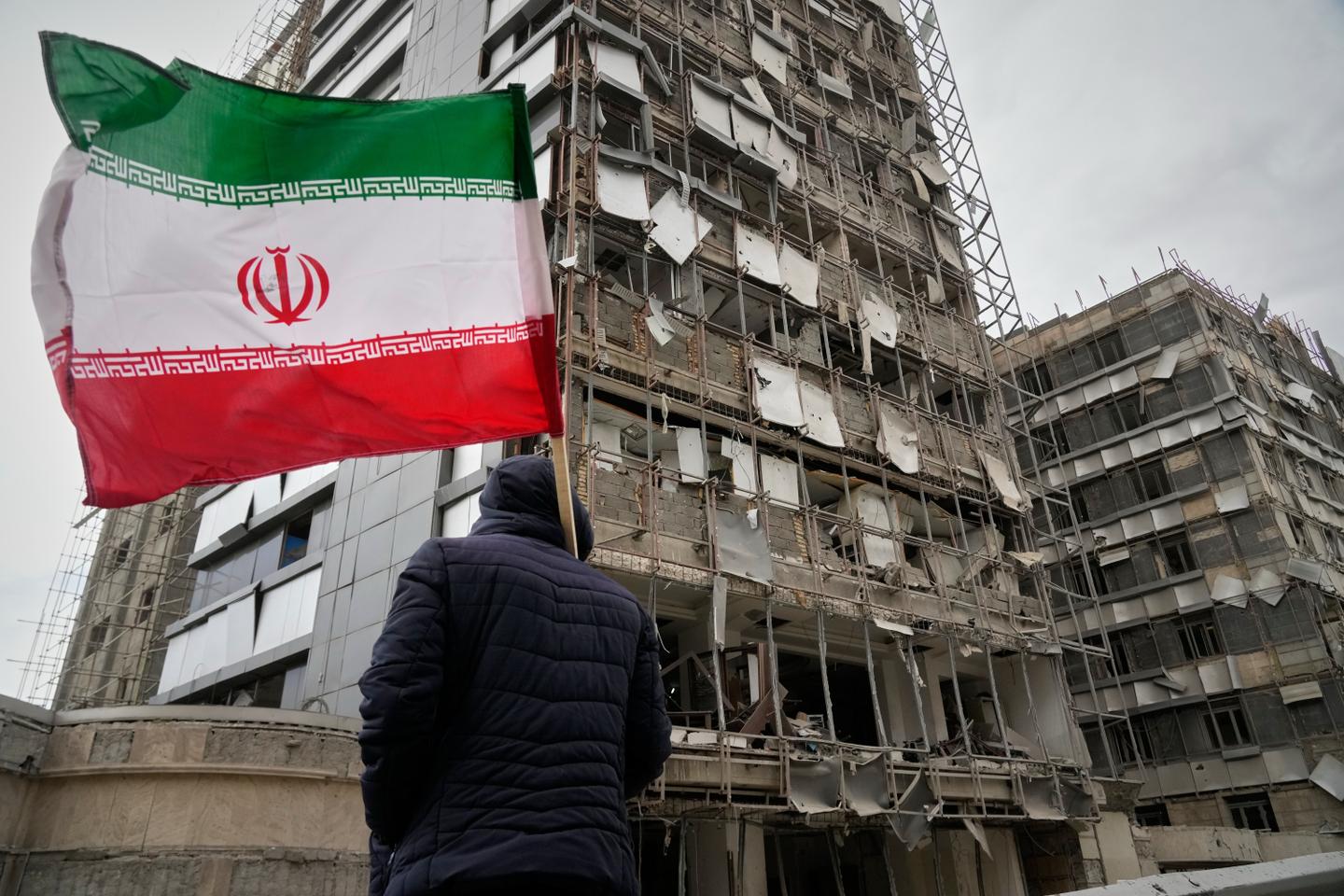
hile it is important to remain cautious in the face of the ongoing conflict and the potential changes, particularly regime change, that may take place in Iran, it is not out of place to consider what a "new Iran" might look like.
Among the many advantages this country possesses – strong historical and cultural roots, a central geographic location between major geopolitical regions, vast energy and mineral resources, and a highly educated population – one asset is often overlooked by observers: Iranians living abroad. Due to their unique characteristics, these individuals could play a crucial role in building a post-Islamic Republic Iran.
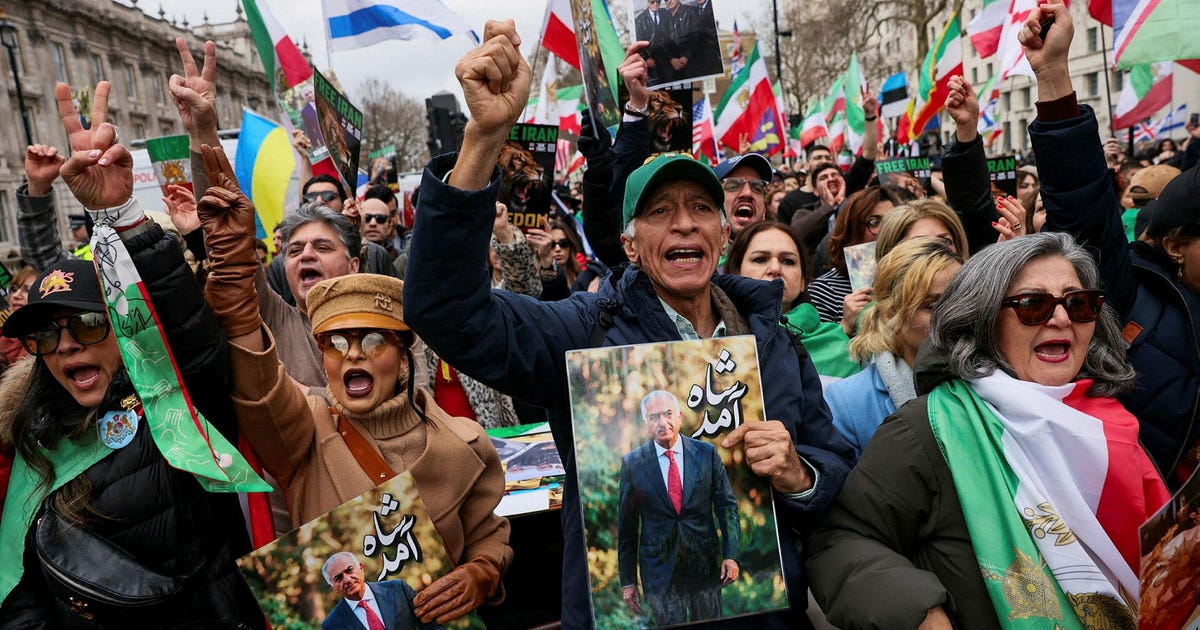
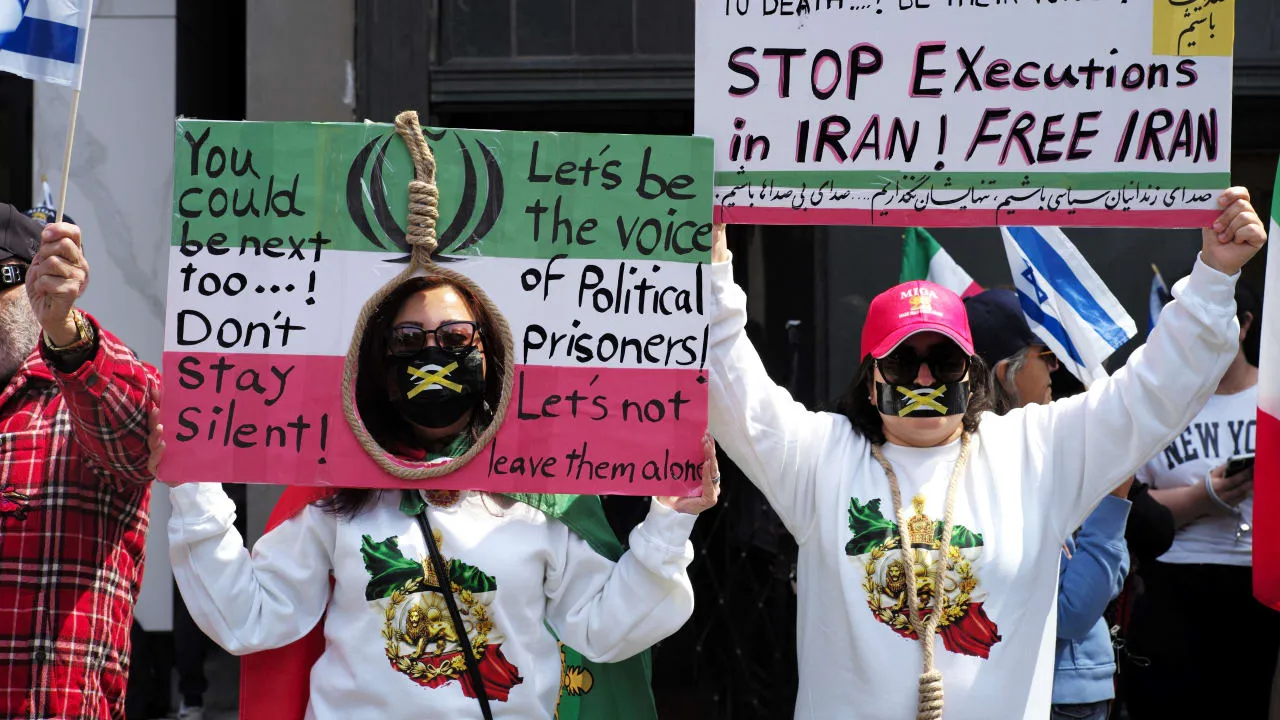
The Iranian diaspora, formed in successive waves since 1979, is estimated to comprise between four million and seven million people who fled repression and economic hardship. This community is concentrated chiefly in the Middle East, North America and Europe, with notable populations in Germany, the United Kingdom, Sweden and France.
This diaspora has several defining traits.It is mainly composed of members of the middle and upper classes, who are often secular and highly educated. After the departure of elites linked to the former regime at the time of the Islamic revolution, Iran experienced a significant "brain drain." Countless doctors, engineers, IT professionals, technicians, scientists, intellectuals, artists, journalists, students and teachers chose the path of exile.