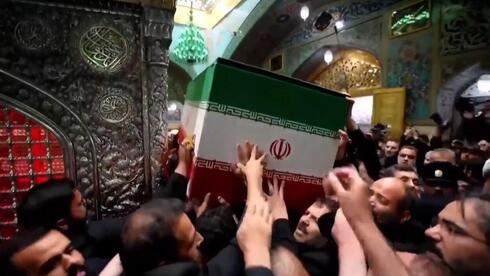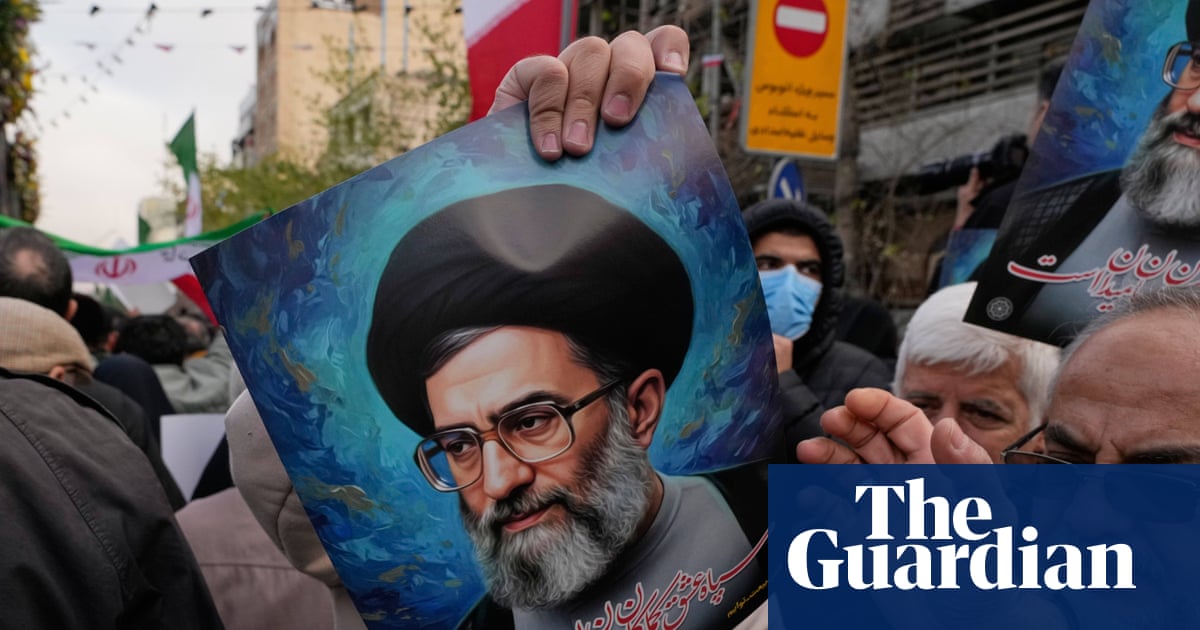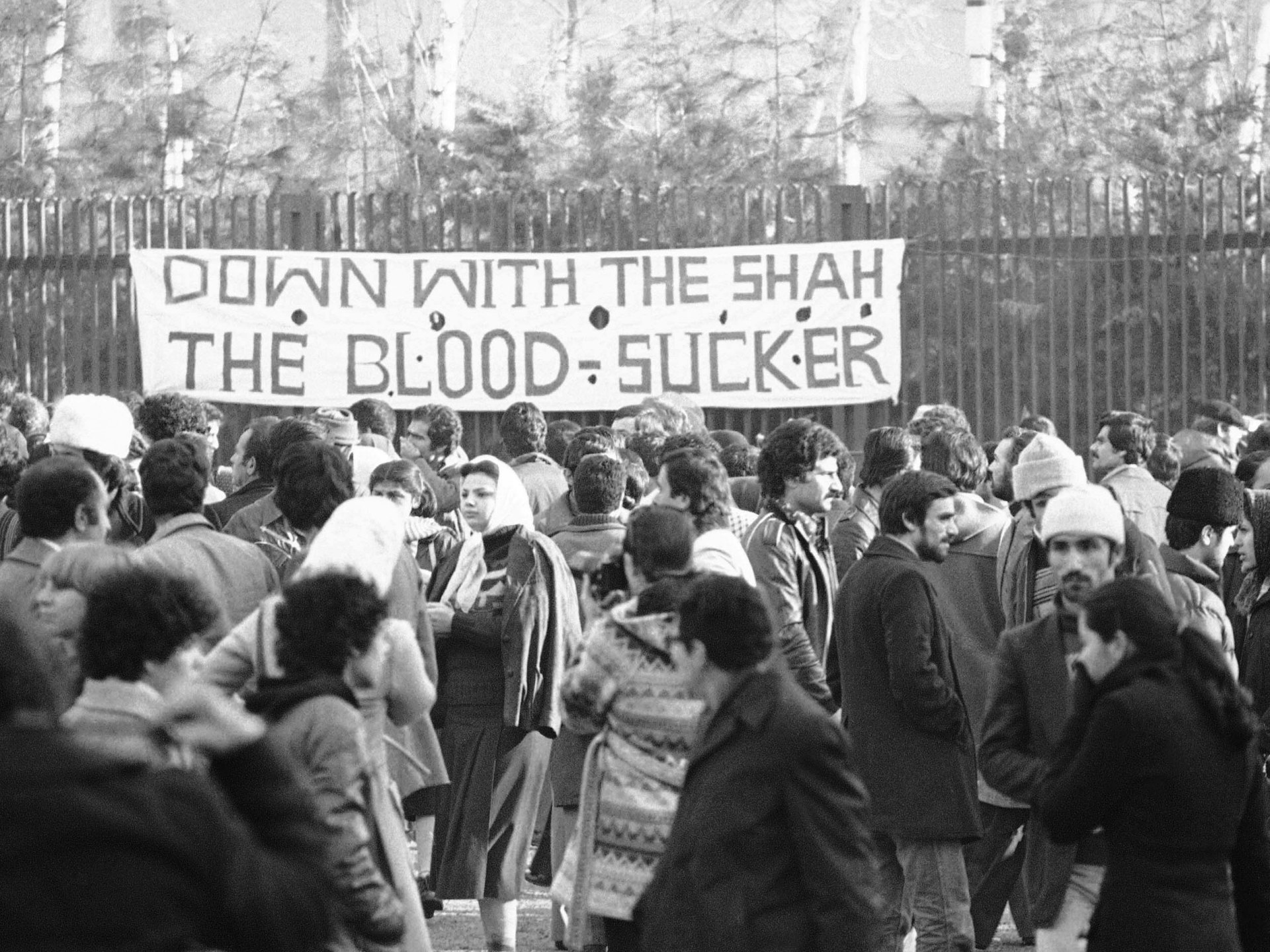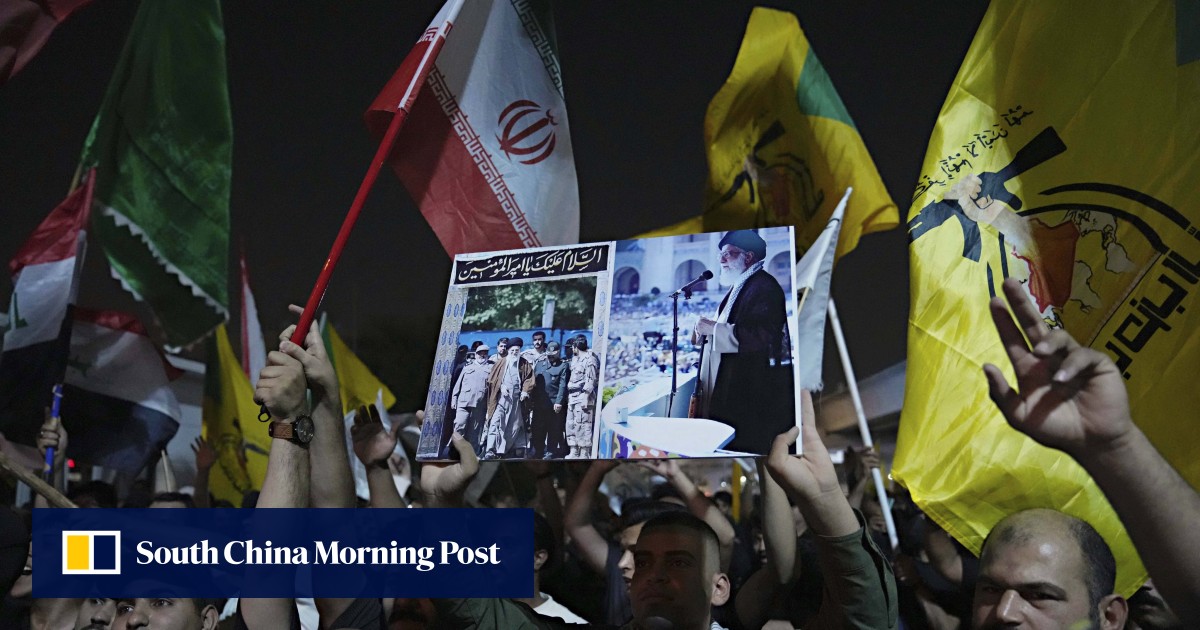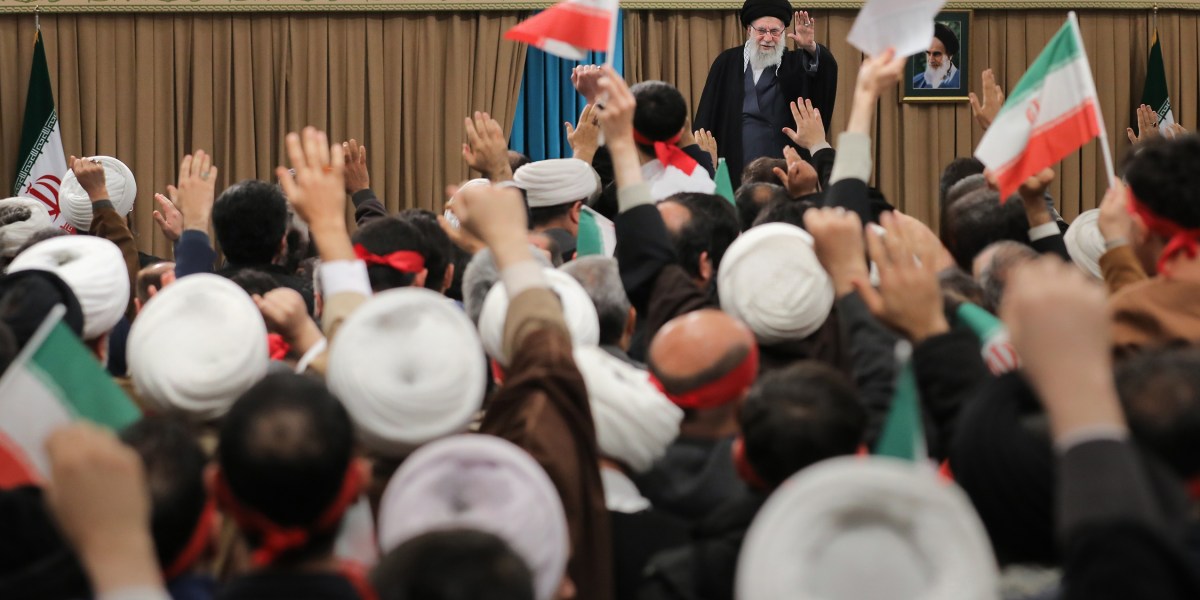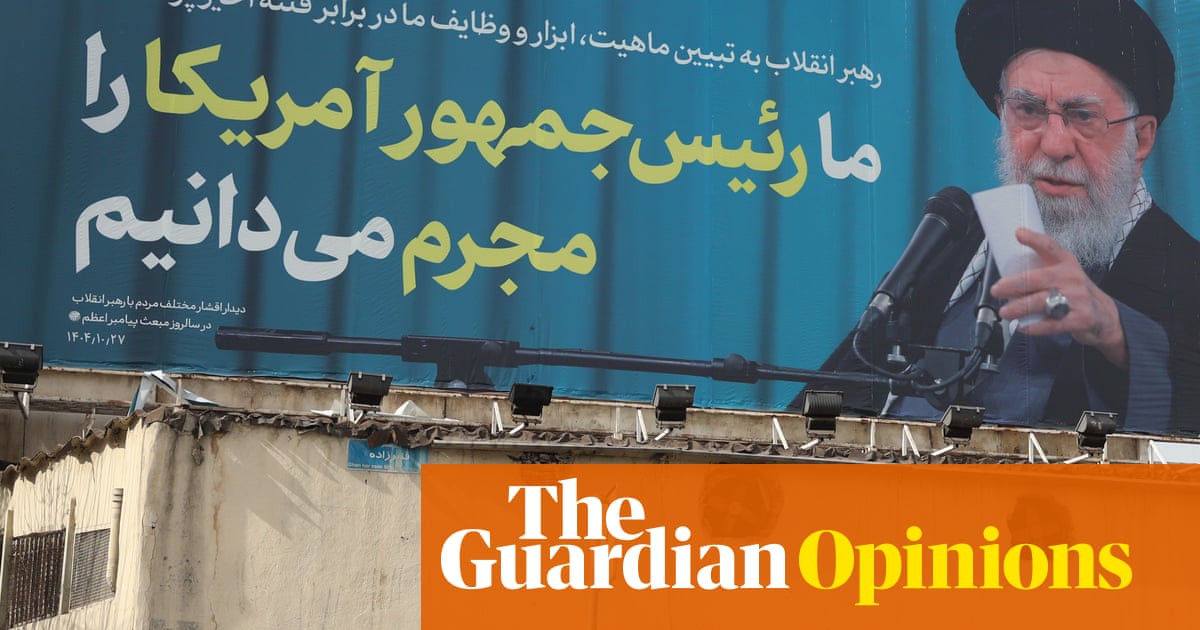
The similarities between now and events preceding the shah’s exile are striking. The radical clerics benefited then, but who would prevail this time?
A
critical moment looms for Iran, and so for the Middle East. The global consequences of any upheaval in Tehran have been made amply clear since the revolution in 1979 that ushered in the rule of radical Islamist clerics. In Oman, the Iranian foreign minister Abbas Araghchi and his team have begun indirect talks with a high-powered US delegation. Many analysts believe the gap between the two sides is too wide to be bridged, and that a conflict is inevitable. Just this weekend, having already threatened military action, Donald Trump said regime change is the “the best thing that could happen” in Iran. The tension, and risks grow higher.
The hold on Iran of those who came to power in the aftermath of the 1979 revolution is now at stake. The ultimate objective of the US appears to be regime change. This may, in fact, already be under way. In December 2025 and January 2026, the most extensive wave of protest since the early 1980s swept Iran, with hundreds of thousands taking to the streets from Mashhad to Abadan.
Such scenes prompted many to recall the last days of the shah of Iran, when millions took to the streets. And as we live through contemporary events, there are striking similarities between then and now that should inform the debate about what may happen, about our hopes and our fears. One obvious parallel is the central role of economics. Soaring inflation was a key trigger for the most recent unrest. It was almost 50 years ago as well. In 1977, the price of basic consumer goods rose as much as 27%. Then, too, the key actors were shopkeepers and businessmen in Tehran’s bazaar whose livelihoods were threatened.