https://arab.news/63edv
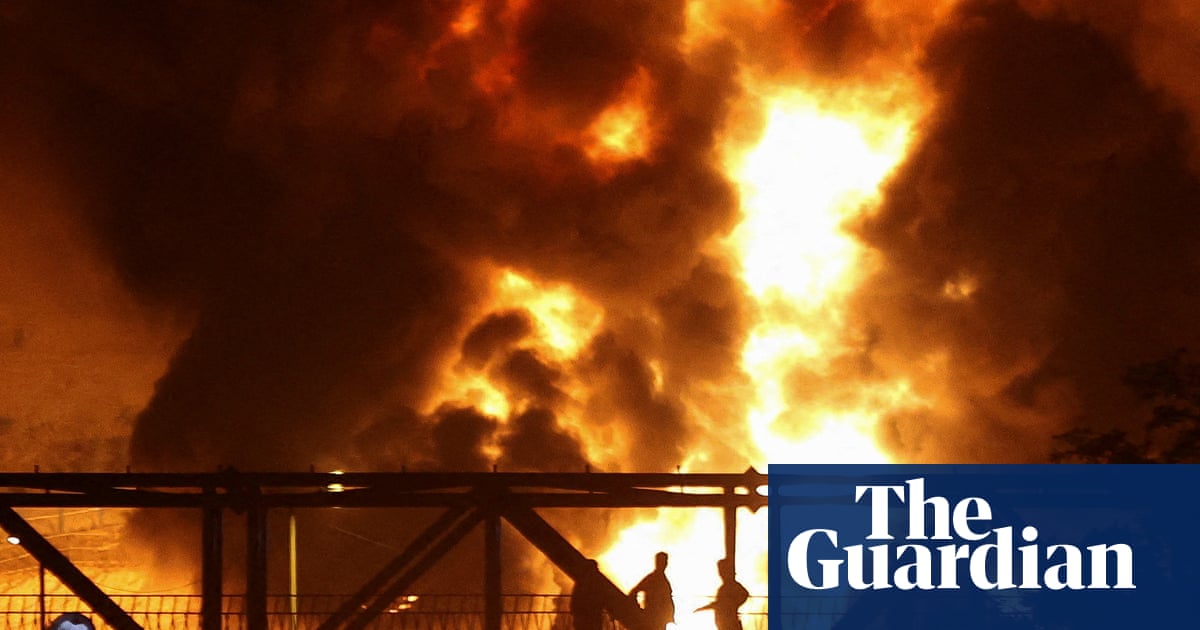
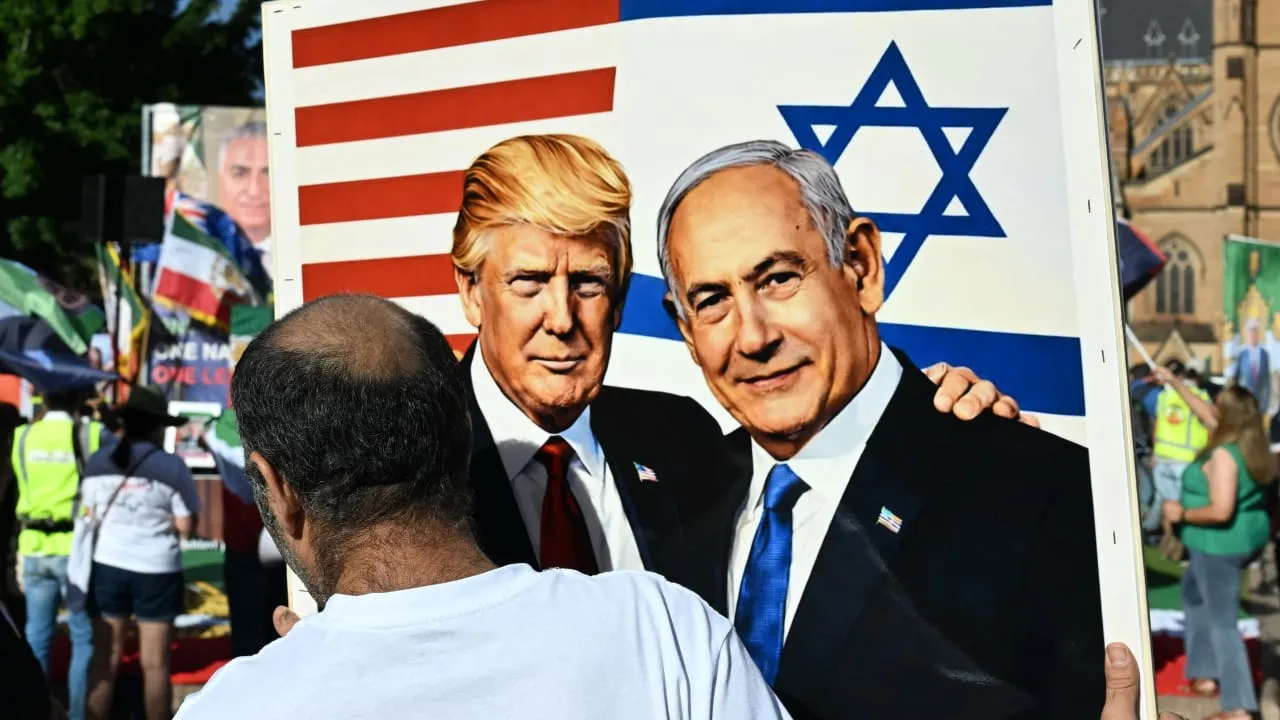
For decades, Iran’s patience has not been merely a political tactic, it has been a way of life in how the country navigates crises, negotiations and power projection. But the recent war with Israel, which lasted for 12 days of unprecedented military escalation — including a US strike on Iran’s nuclear facilities and Tehran’s retaliatory attack on the American Al-Udeid base in Qatar, followed by President Donald Trump’s announcement of a ceasefire — tested this model in an unprecedented manner. The question now is: Is this model still valid or is it time for a fundamental shift in Tehran’s political doctrine?
Since the revolution in 1979, Iran has been known for a foreign policy approach that combines ideological pragmatism with long-term patience in managing complex challenges, especially under sanctions and international isolation. Many analysts have labeled this approach as “strategic patience,” a term that describes not just the regime’s behavior but also reflects deeper traits of the Iranian national character, rooted in its cultural and historical legacy.
The metaphor of Persian carpet weaving is often invoked to describe this mindset: a slow, meticulous process that unfolds not under pressure but in accordance with an internal rhythm of precision and long-range vision. Just as crafting a Persian carpet can take years of detailed work, so too does Iran build its foreign policy, step by step, thread by thread, through cumulative, deliberate moves rather than sudden leaps.