Academics may find themselves in the unexpected position of cheering on Elsevier in its legal battle with Meta because victory for the Facebook owner would signal “open season” on scholars’ rights to control how their work is represented, legal and publishing experts have said.
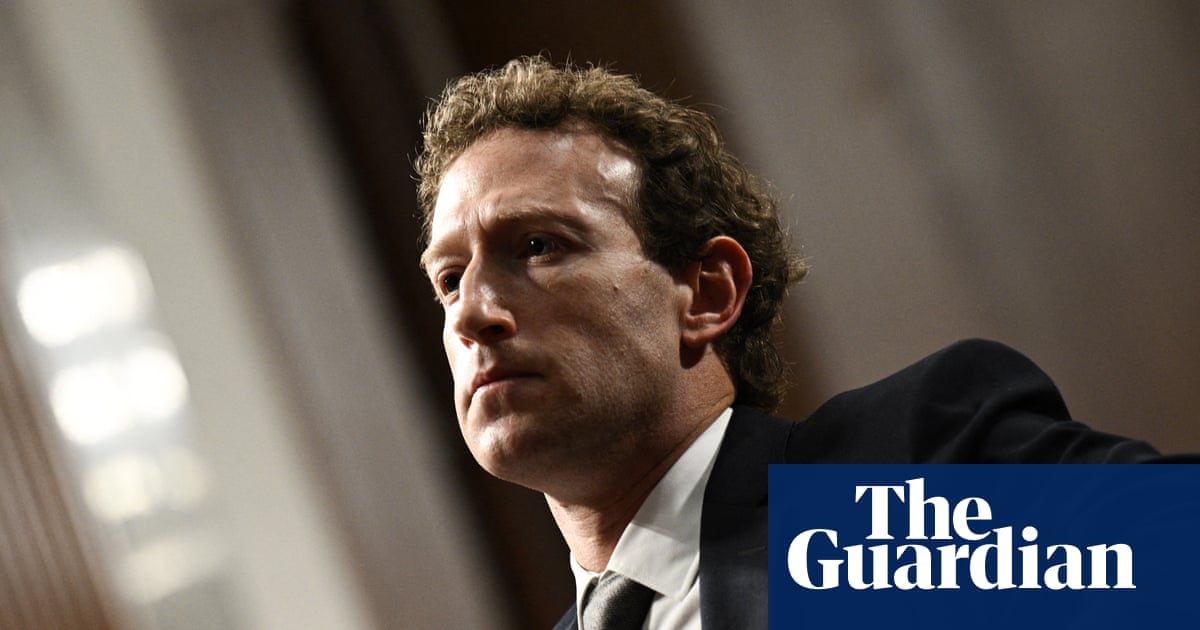
While the world’s largest academic publisher has faced boycotts and mass walkouts by journal editors over concerns over its prices and profit margins, Elsevier’s announcement that it is joining a class action with four other major publishers to sue Meta and its founder Mark Zuckerberg over “wilful infringement of millions of textual works…to develop Meta’s Llama large language models (LLM)” may attract significant support from the scholarly community, said Alina Trapova, lecturer in intellectual property law at UCL’s Faculty of Laws.
“Academics might not see Elsevier as the friendliest publisher over the years but now it seems it is fighting for the rights of authors,” Trapova told Times Higher Education on the first artificial intelligence (AI) action brought by several leading publishing houses.
They allege Meta scraped millions of illegally pirated articles and books to train its generative AI model, which has, in turn, returned about 40 terabytes of data, equivalent to about 5 million books, to the internet. Many of the Lllama summaries of research outputs contain hallucinations and inaccuracies which could potentially damage the credibility of academics, claims Elsevier.