https://arab.news/rcksr
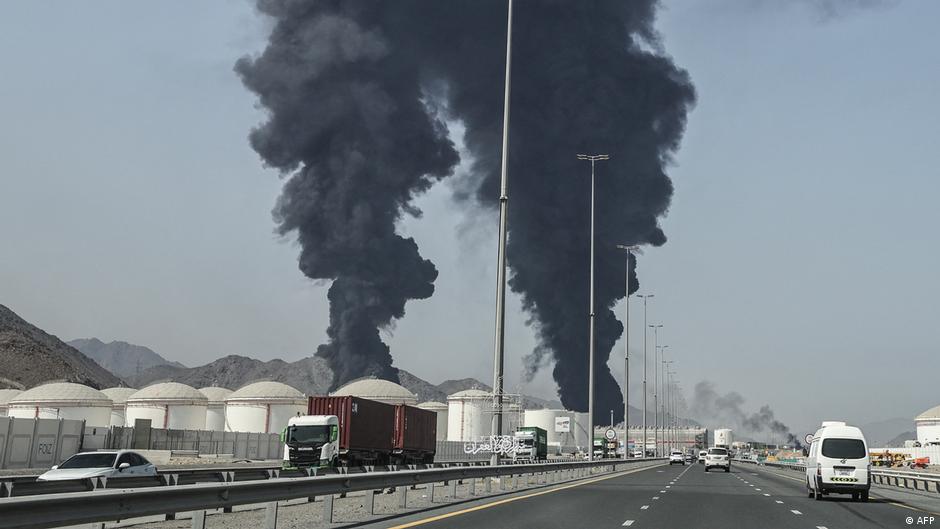
Iran’s 7,000-plus attacks against Gulf Cooperation Council countries and the closure of the Strait of Hormuz have transformed how the GCC looks at Iran in fundamental ways. Perceptions of threats emanating from Iran have critically sharpened and the need to counter them has never been more urgent.
The first reaction is de-risking by improving air defenses. Although their interception rates exceeded 90 percent, there is room for improvement. There is a need to restore normality in the Strait of Hormuz by getting the UN Security Council to shoulder its responsibility, assert the international nature of the waterway and insist that no country is allowed to interfere with international shipping through it. The draft UN Security Council resolution that is currently under discussion was proposed by the GCC and it tracks the maritime rules stipulated by the UN Convention on the Law of the Sea on international waterways such as the Strait of Hormuz.
Next, a system should be put in place to manage the strait as long as necessary. It could be run by the UN’s International Maritime Organization and supported by a UN peacekeeping force, similar to forces deployed by the organization in other hot spots around the world. There are currently 11 active UN peacekeeping missions deployed by the UNSC in Africa, Asia, Europe and the Middle East in spots less critical than the Strait of Hormuz. They are supported by about 60,000 military, police and civilian personnel from more than 117 countries.