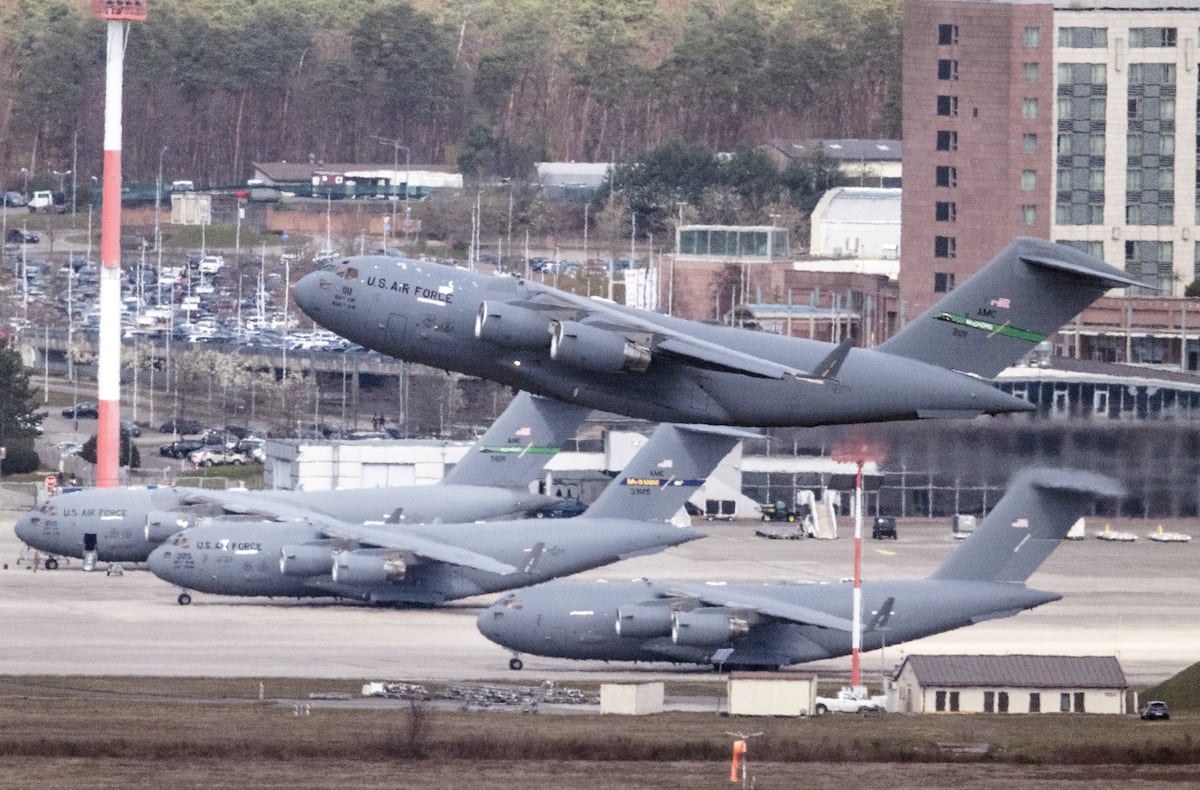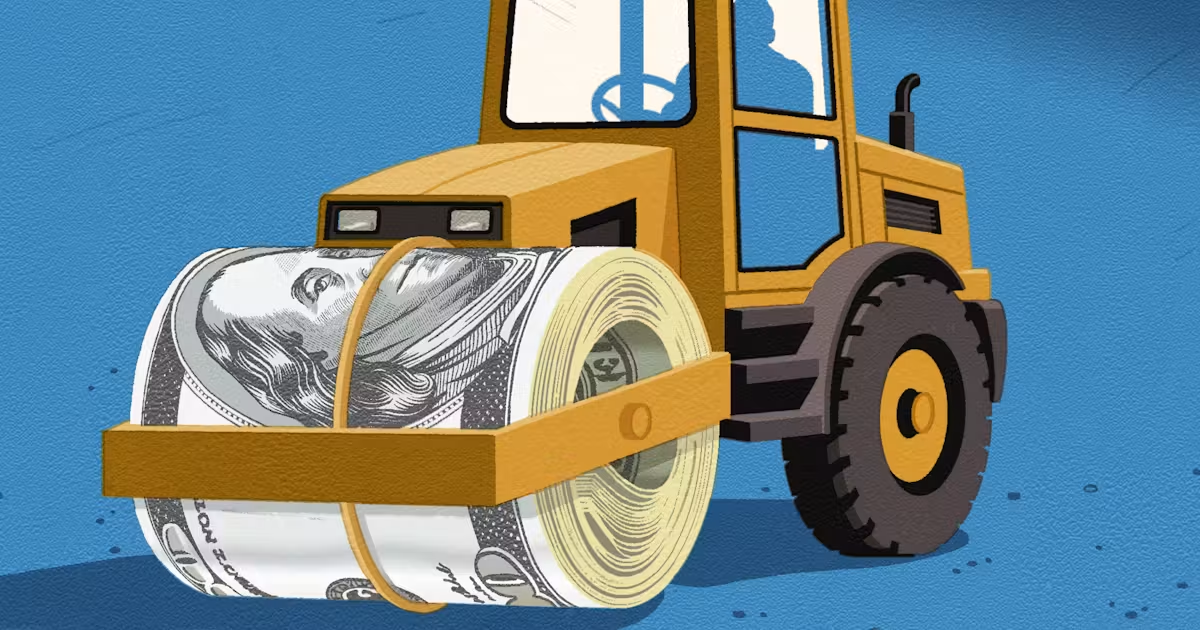
While the rest of the planet operates on debit cards and cash ledgers of IOUs, the United States wields the monetary equivalent of an Amex Black card.For nearly a century, since the rise of the U.S. dollar as the world’s reserve currency, Uncle Sam has been able to finance the world’s largest military, which ensures the ongoing victory of the free world over communists and jihadists, two-thirds of the developed world’s medical research and development, mankind’s exploration of space, nearly half of the world’s humanitarian aid, and our own vast cradle-to-grave welfare state. And we spend on all of this while racking up a debt-to-GDP ratio of 100%, at interest rates so historically low they would have made the most legendary absolute monarchs and emperors of the past weep with envy.Although French Finance Minister Valéry Giscard d’Estaing would later whine that the United States had been gifted its status as holder of the world’s reserve currency by the bloodied Allied powers on bended knee at Bretton Woods, the truth is that the greenback’s ascent began long before 1944.
The British Empire technically peaked in terms of territory by the end of World War I, but that is also when it began to cede the pound sterling’s status as the world’s reserve currency. While the rest of the West fell deeply into debt after the Great War, the United States became the world’s largest creditor, organically exporting dollars across the globe through its bond market, gold convertibility, and skyrocketing stock exchange. In the first fifth of the 20th century, the dollar went from comprising 0% to nearly a quarter of the world’s foreign currency reserves. Bretton Woods made the shift official, tying the rest of the world’s currencies to the dollar and the dollar to gold. The dollar’s dominance has persisted for nearly a century, a tenure rivaled only by the pound’s previous reign, the pre-revolutionary French franc, and the Spanish silver dollar of the Age of Exploration.