(Photo: 123RF)
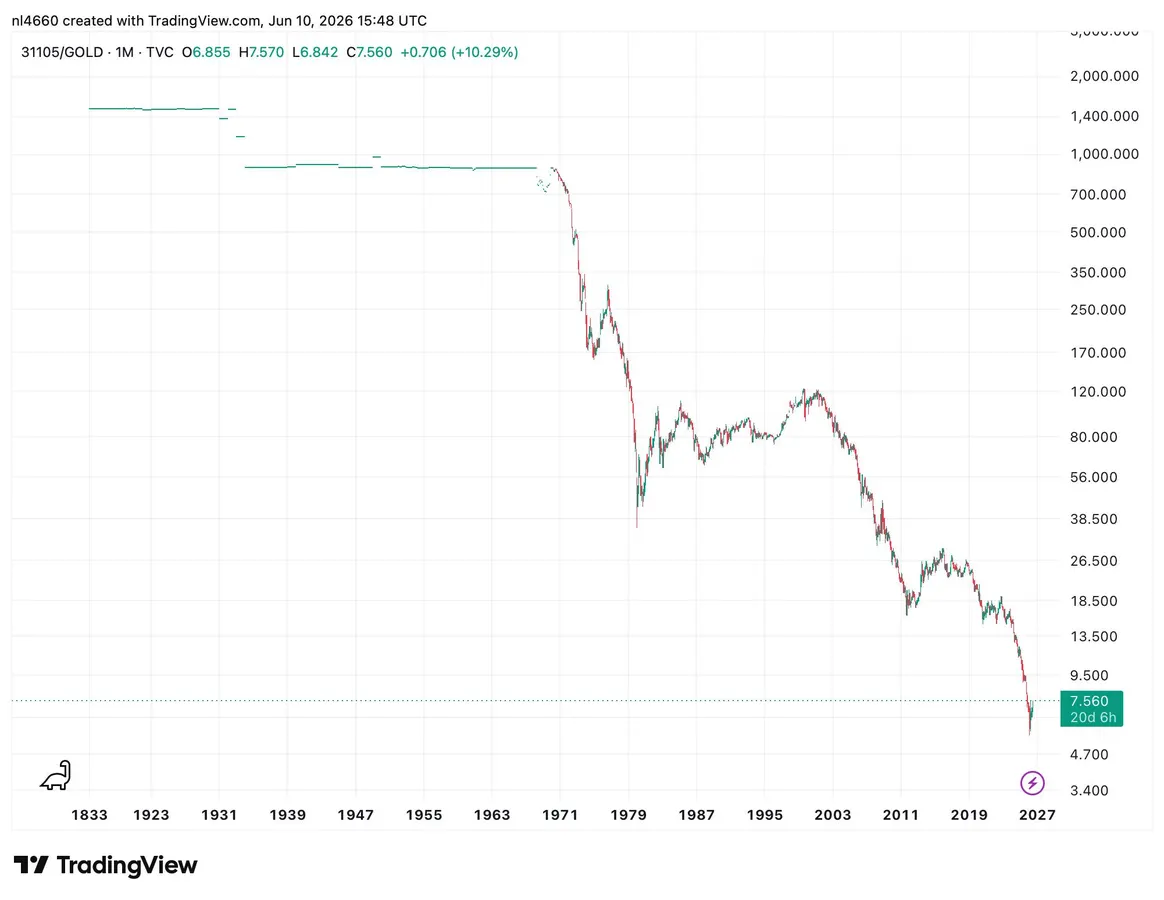
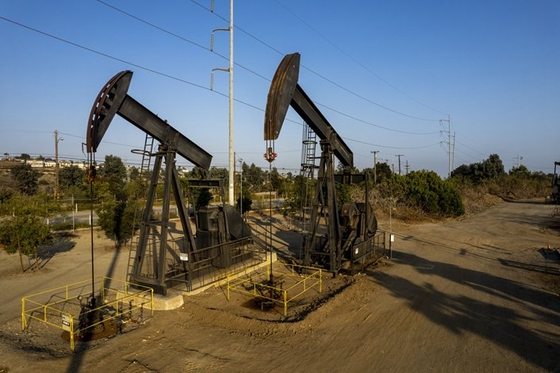
The international monetary system has always rested on a single pillar -- the global reserve currency. Looking back over the past 100 years, first there was the gold standard -- the promise of value anchored in something finite, hard and scarce. In the early 1970s, the gold-backed system was replaced by the petrodollar, which thrived on energy dominance, geopolitical reach and the recycling of oil revenues through the US financial system.In our opinion, the petrodollar system has ended, but not because of geopolitics; rather, it has been overtaken by innovation. Over the past decade, the US dollar shed its ties to oil prices as a result of the shale oil boom. An abundance of supply pressured prices and turned the US into a net oil exporter. As a consequence, the oil-dollar correlation softened and partially switched from negative to positive.
Today, markets are increasingly sensitive to a different backing, the "techno-dollar", a currency system underwritten by digital infrastructure, platform power, and the global scramble for AI capacity.
This assessment is supported by the latest news flow and spectacular V-shaped recovery in equities since late March, with bourses quickly tilting back towards growth assets. Even with the Strait of Hormuz still making headlines, the market is already looking past the energy shock. The US economy is thriving on major AI spending, and the latest first-quarter earnings reports supported that story with hard numbers.