So get the information you need to make a difference. Sign up for the free Yale Climate Connections newsletter, and Editor-in-Chief Sara Peach will send you the latest climate change news, tips, and inspiring stories twice a week.
Yale Climate Connections
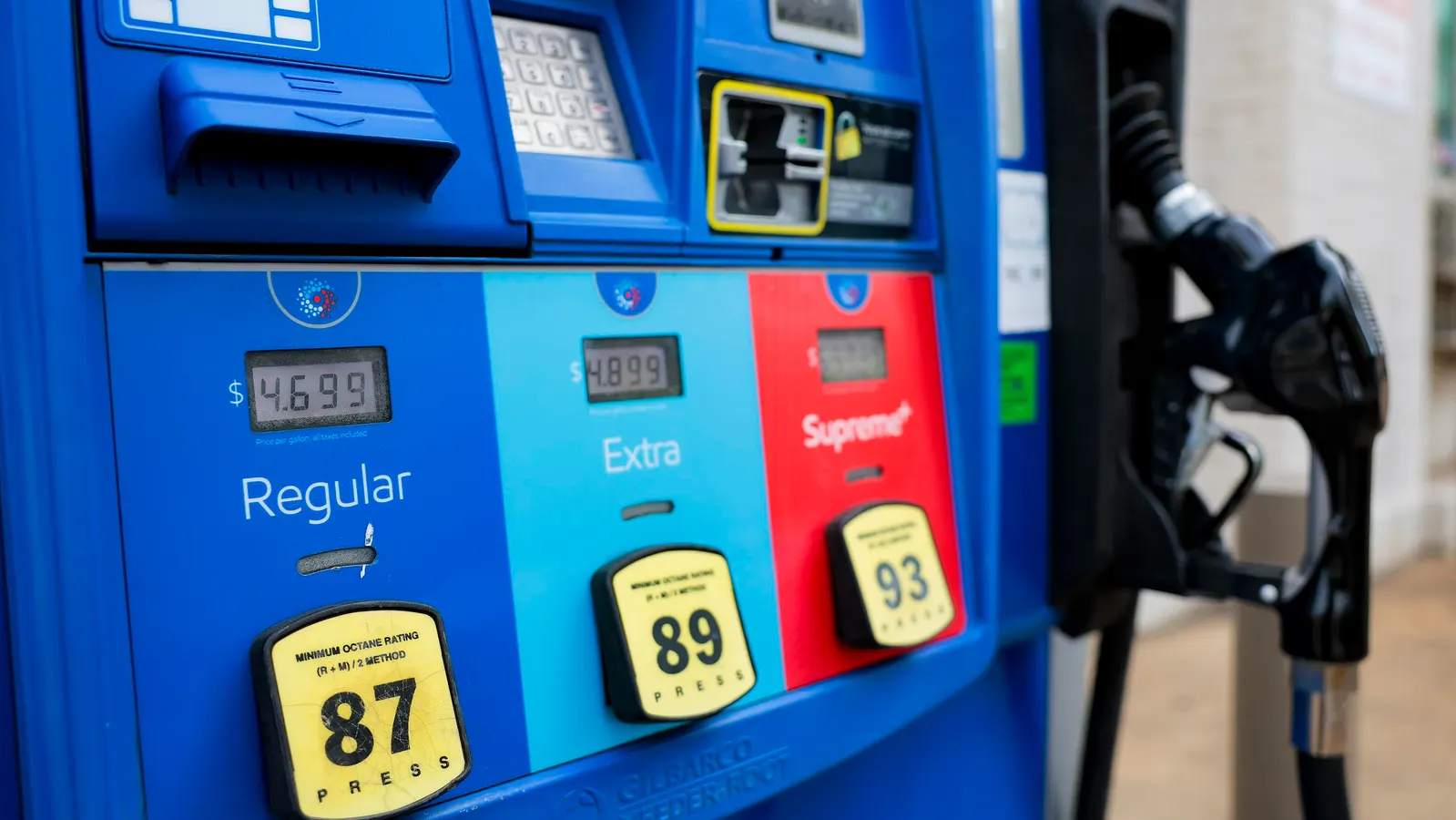
The U.S. and Israel’s attacks on Iran have sent oil and gas prices soaring. That could be a boon to cheap, clean technologies like electric vehicles, solar power, and wind – at least in the long run. But in the short run, the outlook is more complicated.
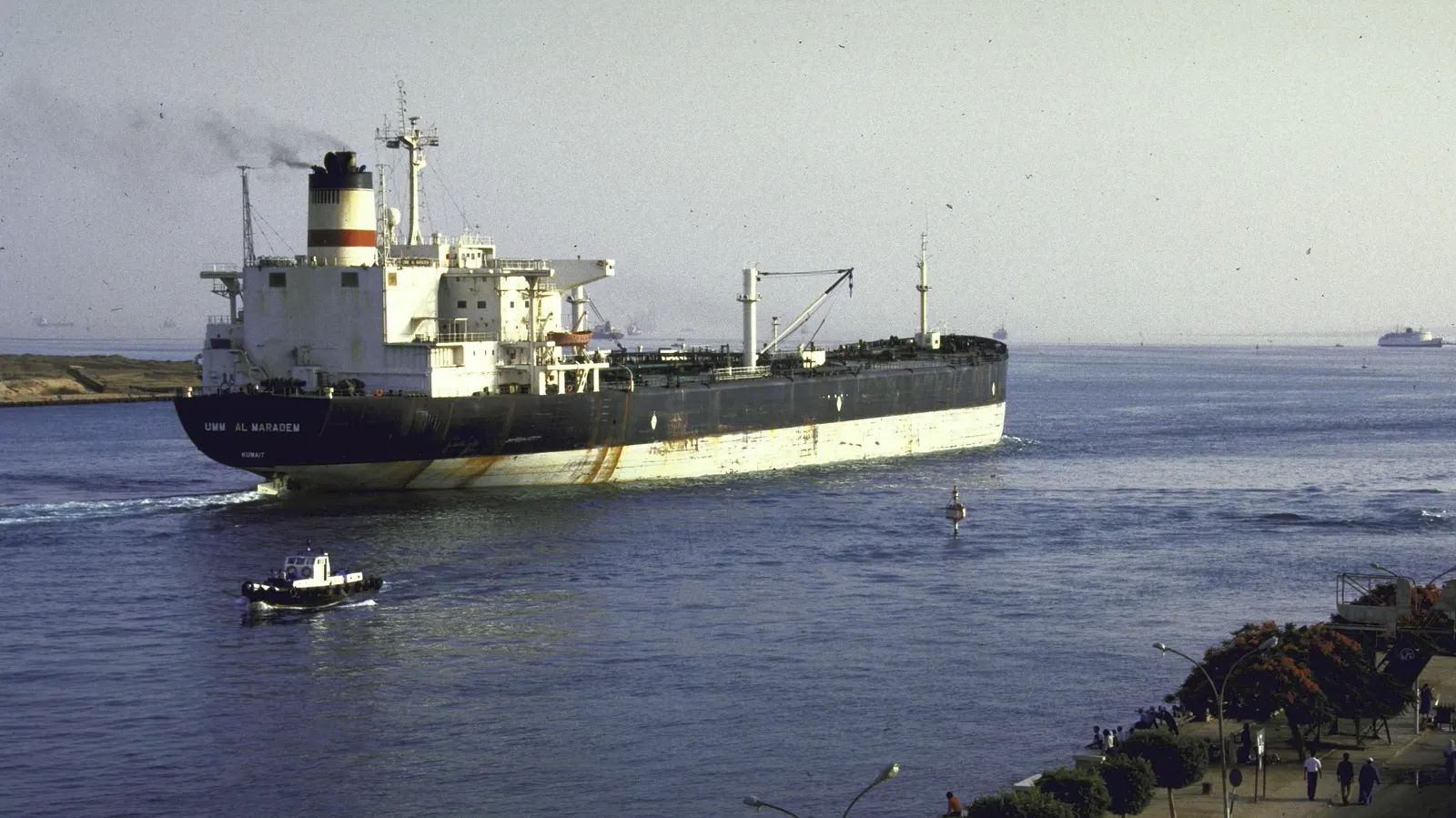
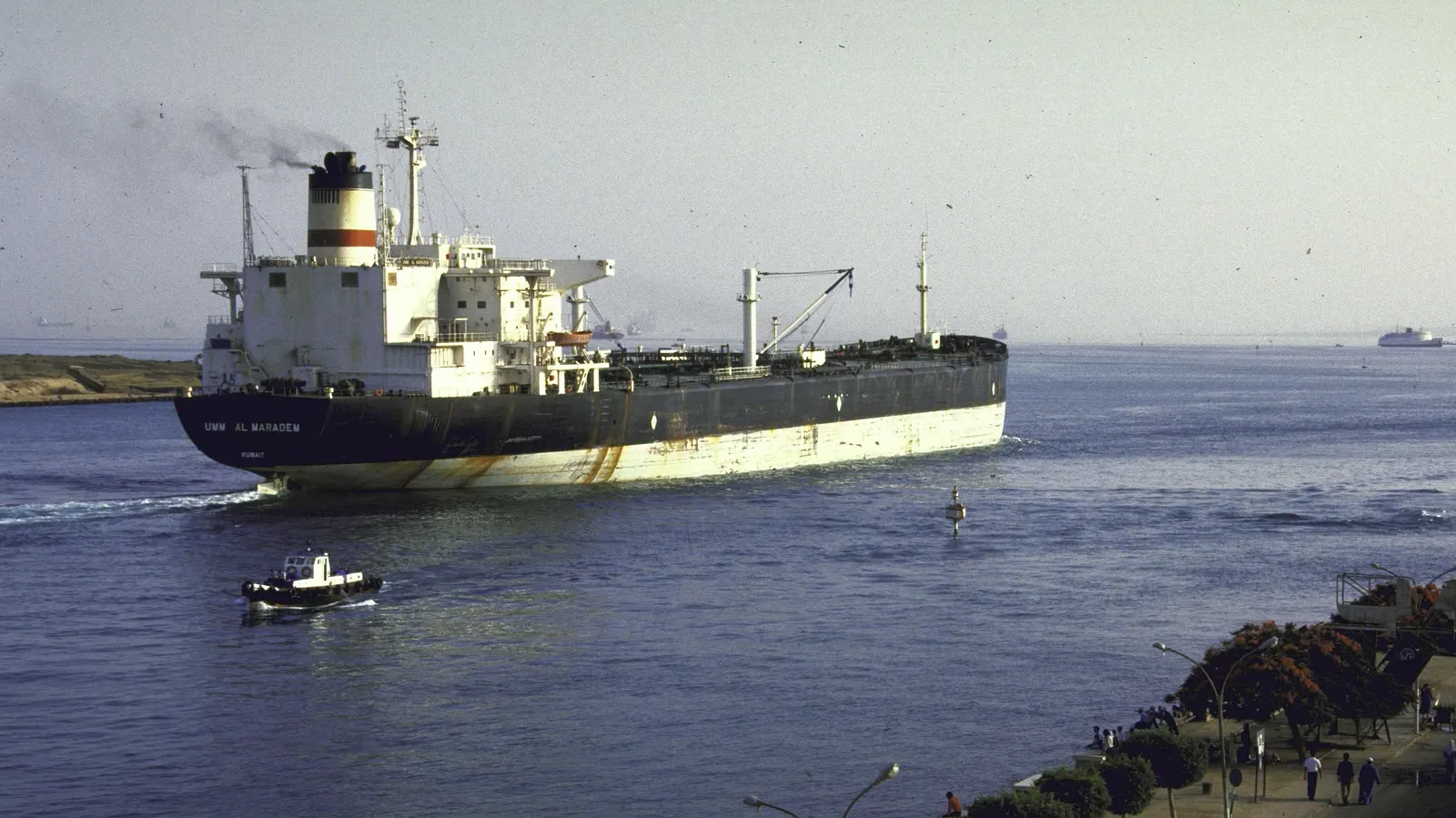
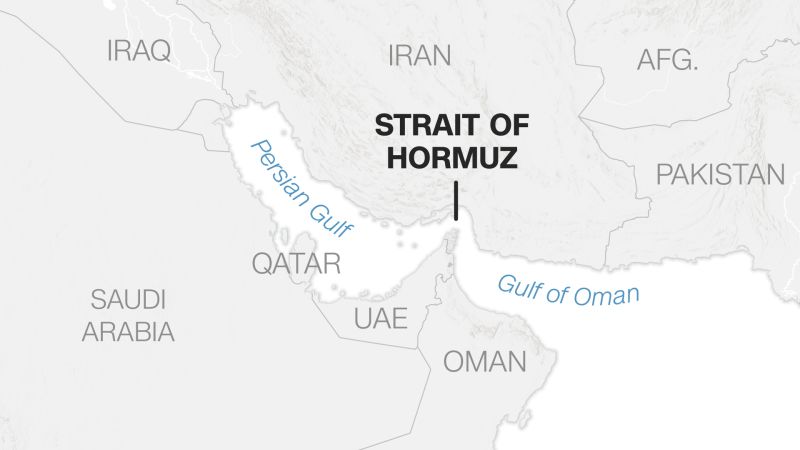
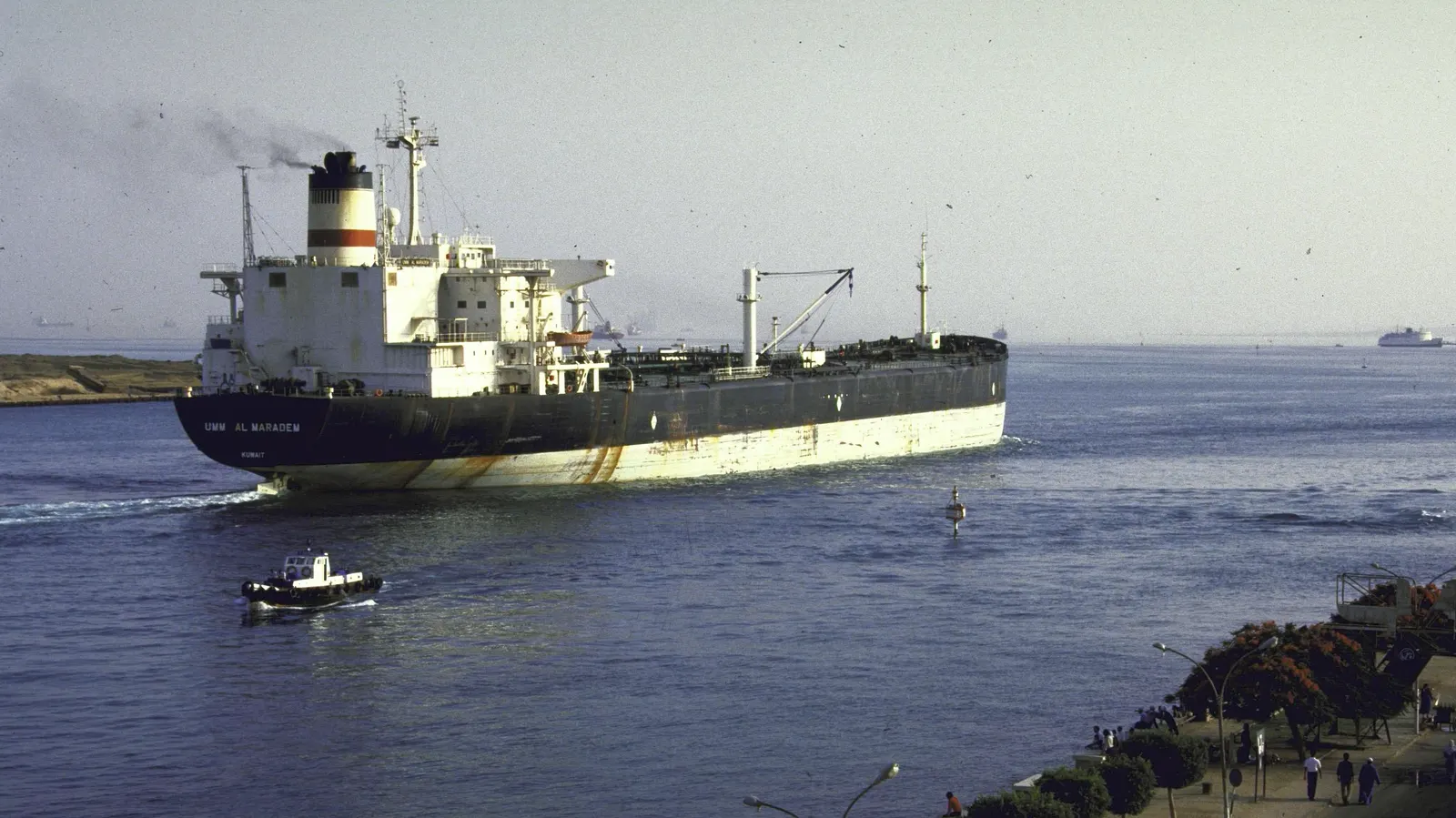
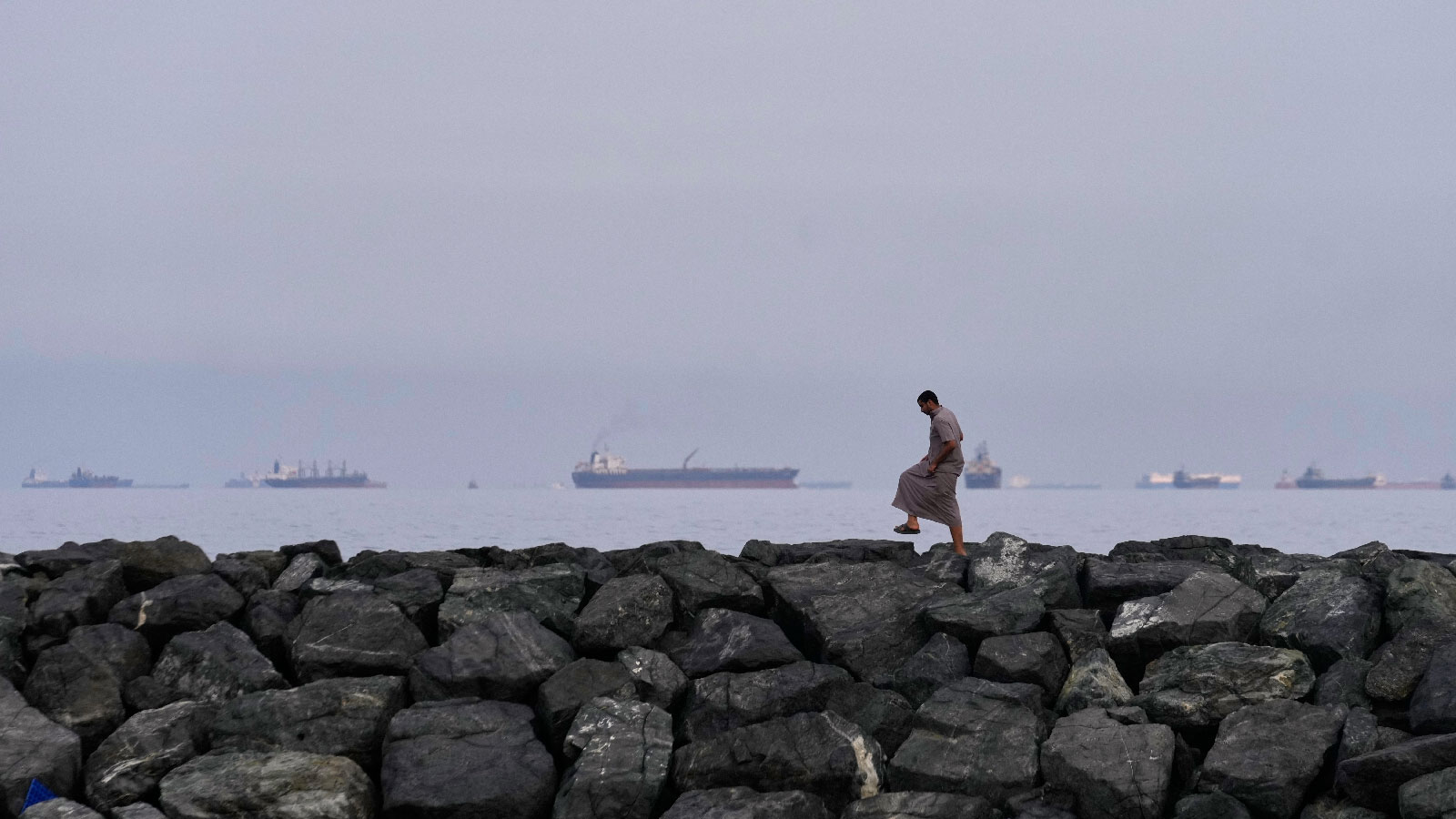
Iran began restricting ship traffic through the Strait of Hormuz after the U.S. and Israel attacked Iran on Feb. 28, 2026. The strait is the narrow passage, about 20 to 40 miles wide, through which ships must navigate from the Persian Gulf to reach the Arabian Sea and global shipping routes.
Behind the strait lie five of the world’s 10 biggest oil-producing countries: Saudi Arabia, Iraq, the United Arab Emirates, Iran, and Kuwait. Despite efforts to shift some of these countries’ oil exports through pipelines and to allow Iran’s own oil tankers safe passage, International Energy Agency executive director Fatih Birol estimated that the war has caused the global oil supply to drop by more than 10%. His organization described it as “the largest supply disruption in the history of the global oil market.”