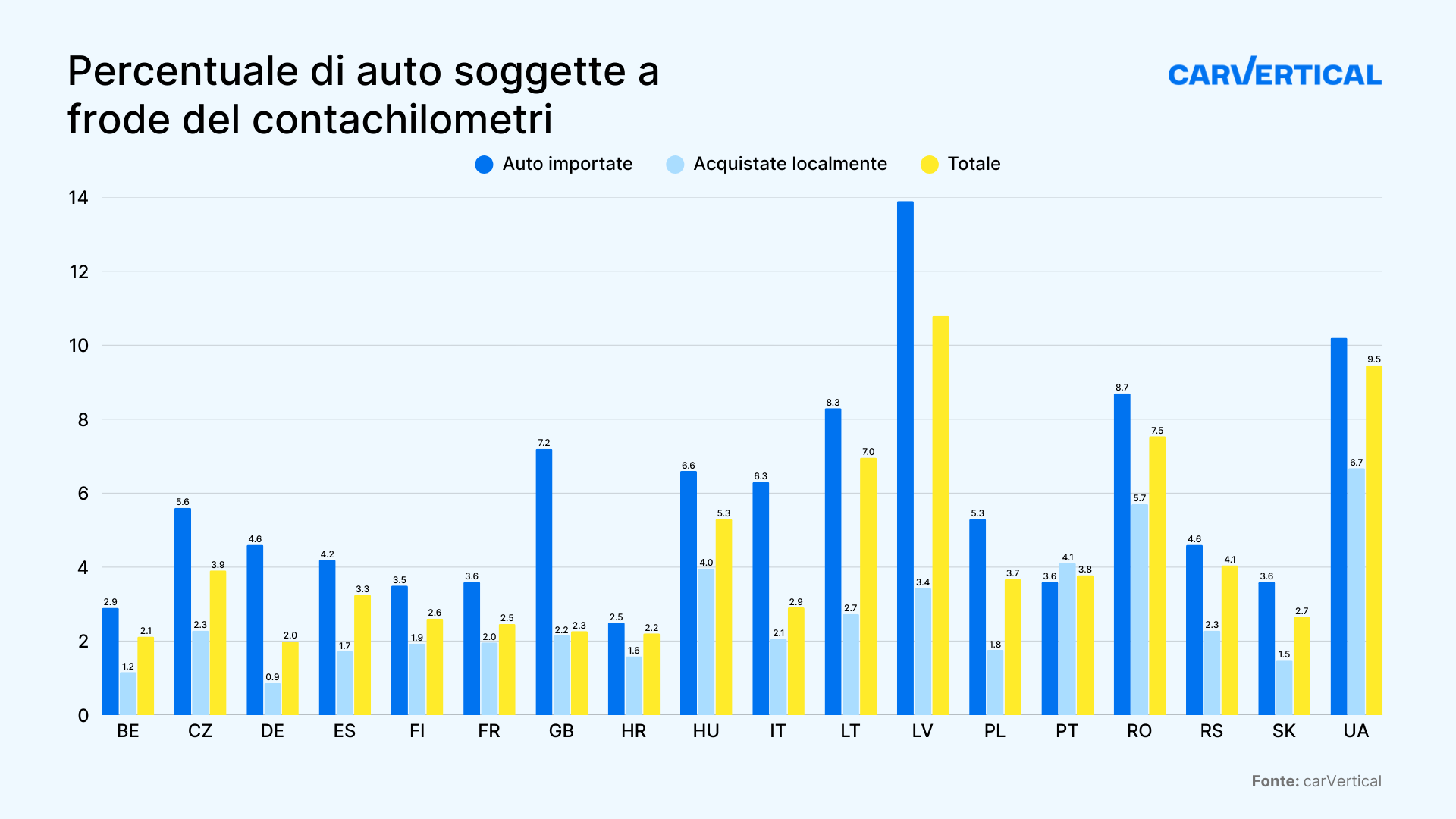
One in five imported used cars sold in Greece have fake mileage, according to modest estimates.
Besides the fact that the buyer pays more for a car than it actually costs, he is then burdened with additional expenses, as the breakdowns start much faster compared to what was expected.
Worse, even if the buyer discovers the fraud afterward, he often cannot exercise any legal rights against the seller, as the car has been invoiced in another country and cleared in the buyer’s name.
Here is how the fraud is set up: The buyer visits a dealer selling imported used cars. The company offers him a discount, in exchange for clearing the vehicle in the buyer’s name and not in the company’s name. Most companies in this category – including large and well-known ones – have subsidiaries in other countries, mainly in Bulgaria, where the invoicing takes place.
This way, the company does not appear to be clearing the car in customs and therefore bears no responsibility. Second, with the invoicing, like in Bulgaria, the Greek judiciary cannot handle the matter, as the Association of Car Importers-Representatives (SEAA) said in a statement on Wednesday.