Get the latest news and updates from Dawn
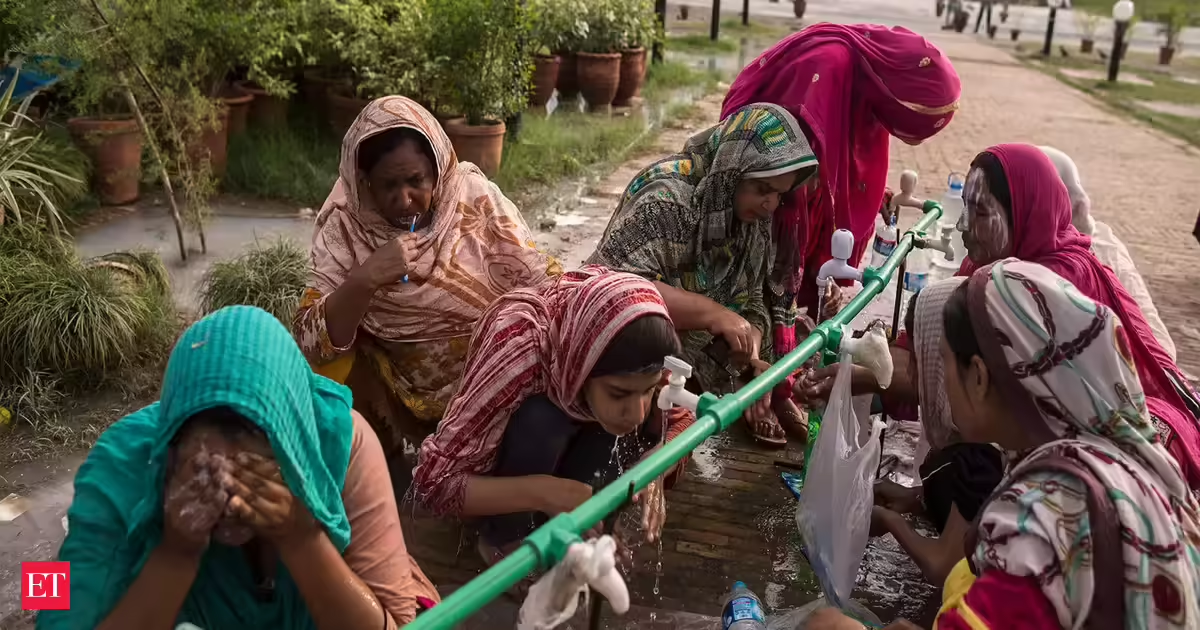
Pakistan’s water debate has long been dominated by questions of quantity — how much water is available, how much is stored, and how much is lost. Yet an equally serious, though far less acknowledged, crisis is the persistent deterioration of both surface and groundwater quality across the country.
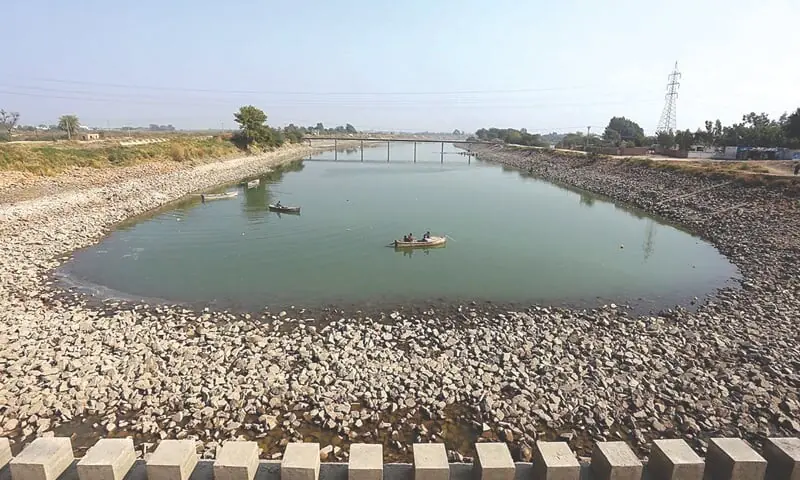
So far, discussions on water pollution have largely centred on industrial effluents and untreated sewage from urban centres. These polluted discharges — containing hazardous chemicals, heavy metals, and disease-causing pathogens — are routinely released into rivers, canals, and drains. At the same time, in many areas, untreated wastewater is either directly injected into the ground or percolates into the soil. All these further contaminate already stressed groundwater resources.
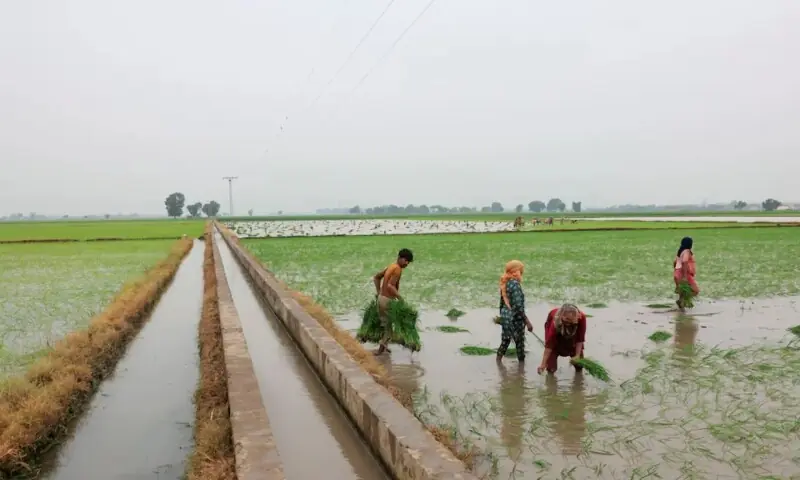
However, the water pollution crisis extends well beyond industrial and urban sources. The agriculture sector occupies a paradoxical position in Pakistan. On the one hand, it is a victim, as a significant portion of this contaminated water is used for irrigation. Toxic substances, including heavy metals such as lead, cadmium, and arsenic, are absorbed by plant roots and, in turn, moved upward through the plant’s vascular system. Eventually, they accumulate in edible parts such as grains, leaves, fruits, and vegetables. In this way, these pollutants enter the food chain and pose serious health risks, including organ damage, neurological disorders, and long-term chronic diseases.