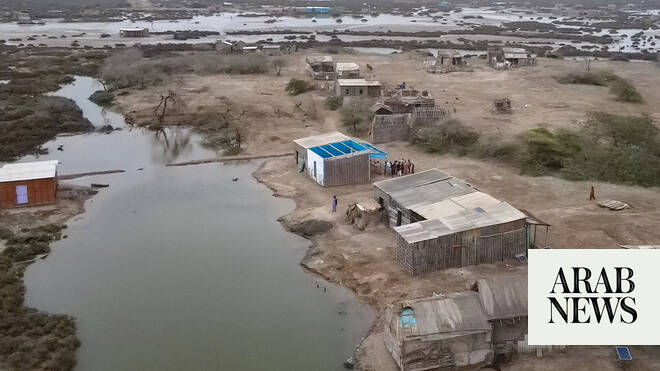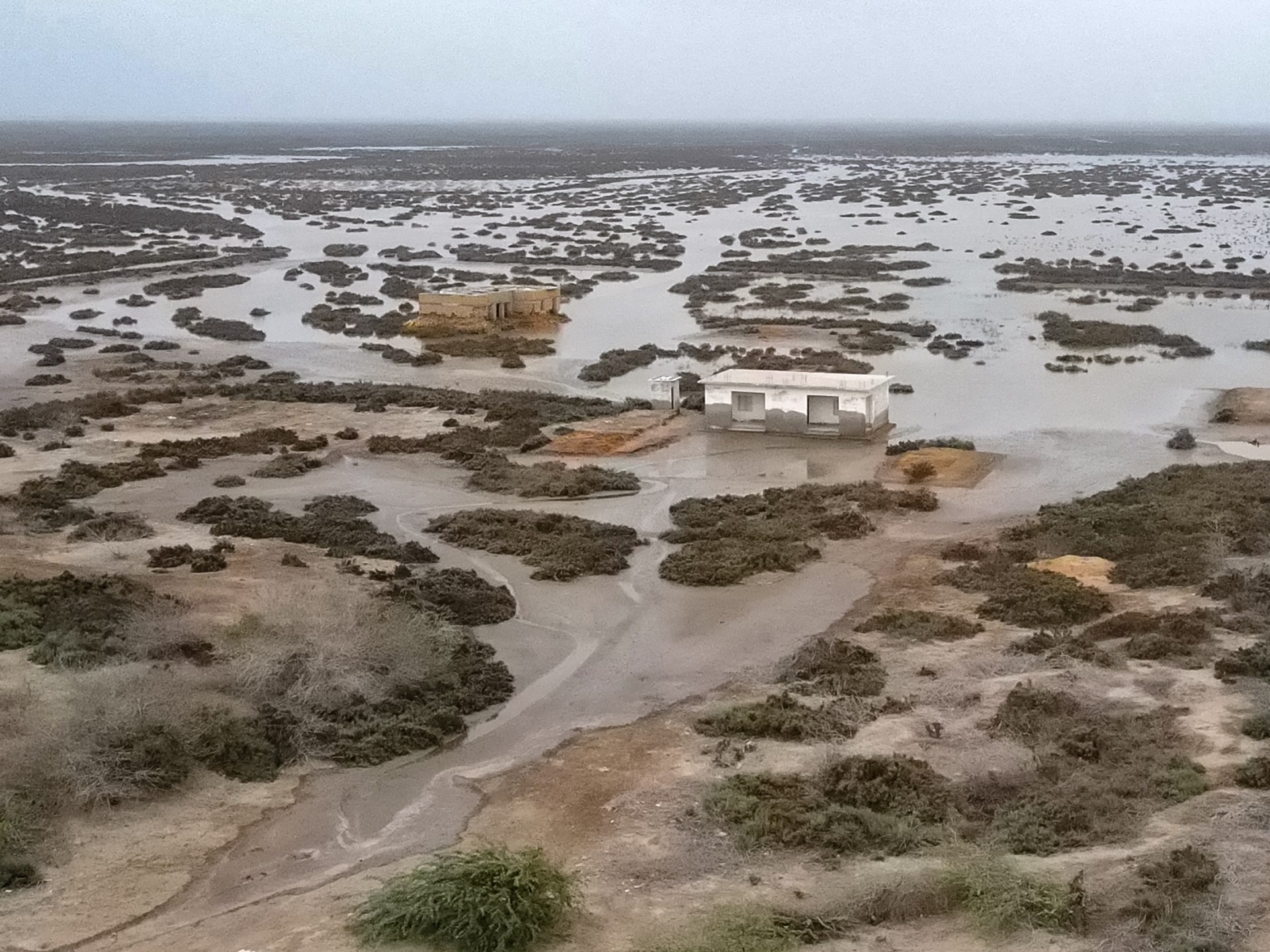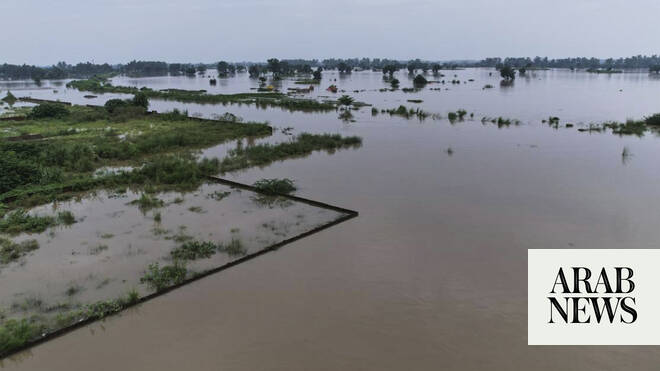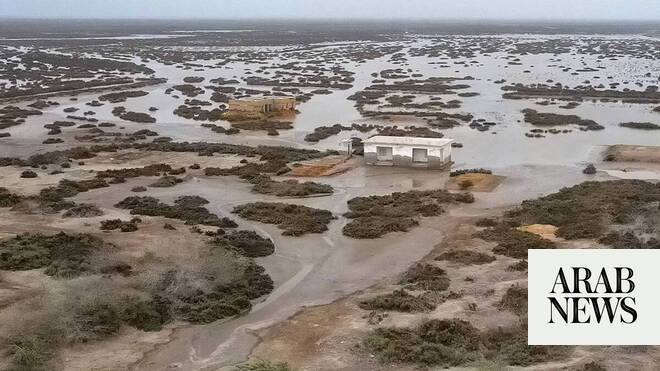
KARACHI: A leading rights group in Pakistan has said that seawater intrusion is triggering the collapse of villages and farmlands in the country’s shrinking Indus delta, urging the federal and Sindh provincial governments to launch environmental restoration projects in the region.
The downstream flow of water into the delta has decreased by 80 percent since the 1950s as a result of irrigation canals, hydropower dams and the impacts of climate change on glacial and snow melt, according to a 2018 study by the US-Pakistan Center for Advanced Studies in Water.
That has led to devastating seawater intrusion. The salinity of the water has risen by around 70 percent since 1990, making it impossible to grow crops and severely affecting the shrimp and crab populations and forcing communities to abandon their parched island.
The Sindh Human Rights Defenders Network (SHRDN), which recently organized a visit of members of the civil society to the delta, described the delta situation as a “slow-motion disaster” and called for urgent national and international action to save its environment and inhabitants.
“Release of 25–27 MAF (million acre-feet) water annually into the Indus Delta to push back seawater intrusion and encroachment,” the rights group stated in a set of recommendations for authorities to address the issue.