ISLAMABAD: Pakistan on Tuesday urged the international community to recognize water insecurity as a “systemic global risk,” warning that disruptions in shared river basins threaten food security, livelihoods and regional stability, as it criticized India’s handling of transboundary water flows.
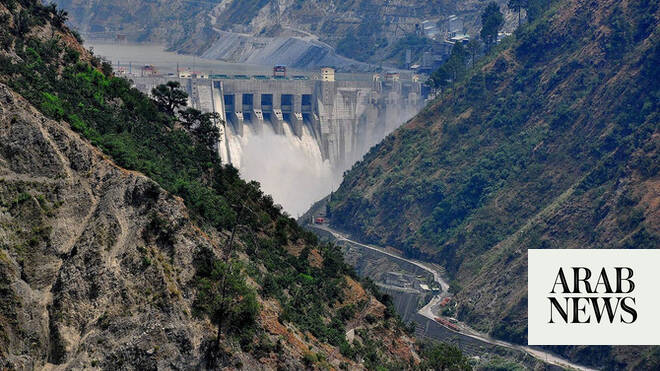
The call comes amid heightened tensions after India’s unilateral decision last year to hold the 1960 Indus Waters Treaty “in abeyance,” a move Islamabad says has undermined predictability in river flows and compounded climate-driven vulnerabilities downstream.
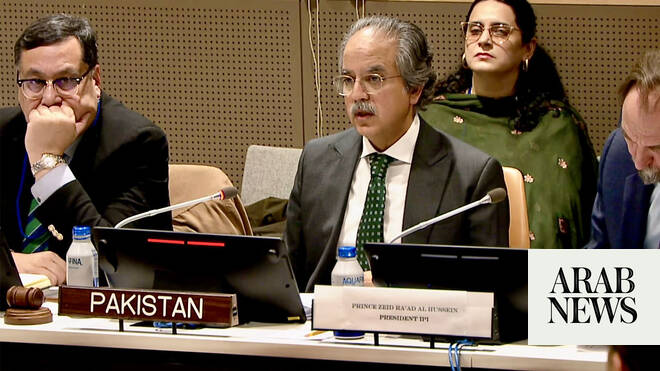
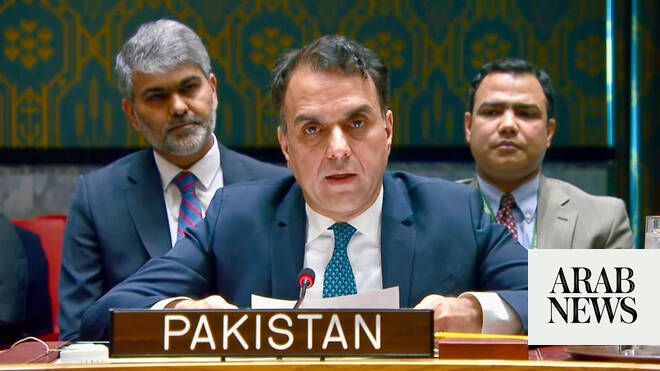
“Across regions, water insecurity has become a systemic risk, affecting food production, energy systems, public health, livelihoods and human security,” Pakistan’s Acting Permanent Representative to the United Nations, Ambassador Usman Jadoon, told a UN policy roundtable on global water stress.
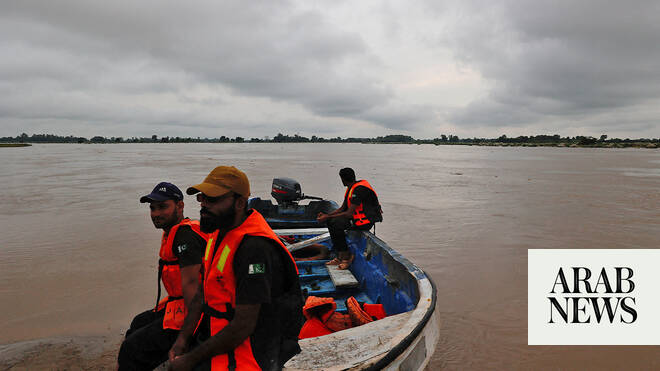
“For Pakistan, this is a lived reality,” he said, describing the country as a climate-vulnerable, lower-riparian state facing floods, droughts, accelerated glacier melt, groundwater depletion and rapid population growth, all of which are placing strain on already stressed water systems.
Jadoon said Pakistan was strengthening water resilience through integrated planning, flood protection, irrigation rehabilitation, groundwater replenishment and ecosystem restoration, including initiatives such as Living Indus and Recharge Pakistan, but warned that domestic measures alone were insufficient.