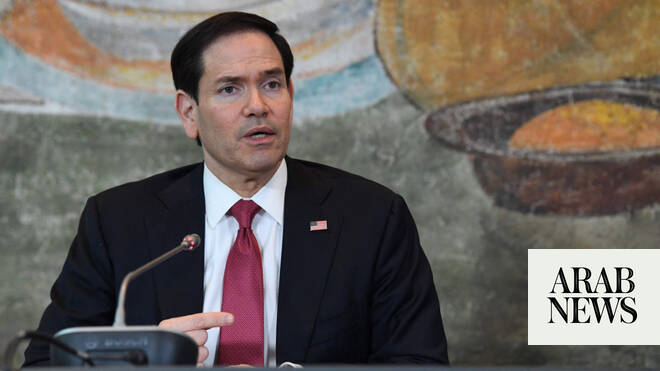
A recent phone call between U.S. Secretary of State Marco Rubio and Brazilian Foreign Minister Mauro Vieira was publicly framed as a diplomatic routine. It was not. The central issue, according to officials in Brasília, was whether the Trump administration intends to designate Brazil’s Primeiro Comando da Capital (PCC) and Comando Vermelho (CV) as Foreign Terrorist Organizations (FTOs). Brazil resisted similar pressure last year. The pressure has returned, and it is sharper.
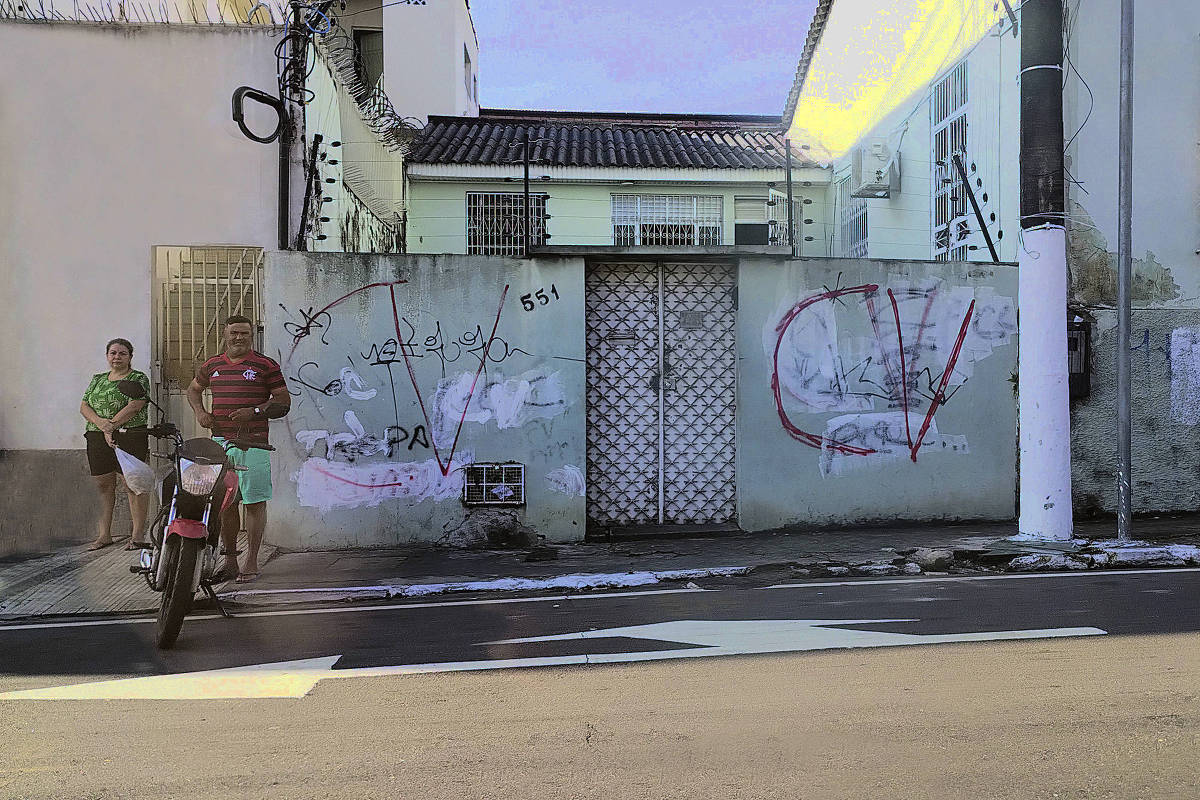
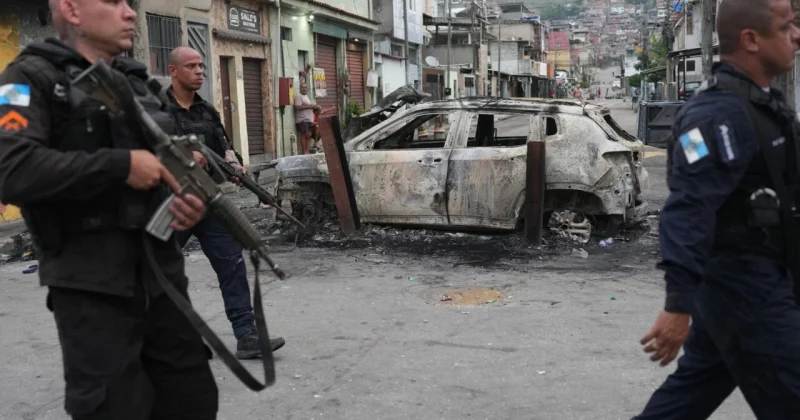
Washington will present any such designation as a counternarcotics measure. That framing is not wrong. The PCC and CV are two of the country’s most powerful criminal organizations, central to drug trafficking, territorial control, and extreme violence – not just inside Brazil, but across Latin America to Africa, Europe and beyond.
However, the designation would carry additional consequences that extend well beyond law enforcement. It could alter the legal and diplomatic context in which Brazil manages its own security while widening the reach of U.S. sanctions, prosecutorial pressure, and financial compliance into the Brazilian economy. It could, in fact, carry greater consequences for other actors, including banks, companies and Brazilian politicians, than for the gangs themselves.