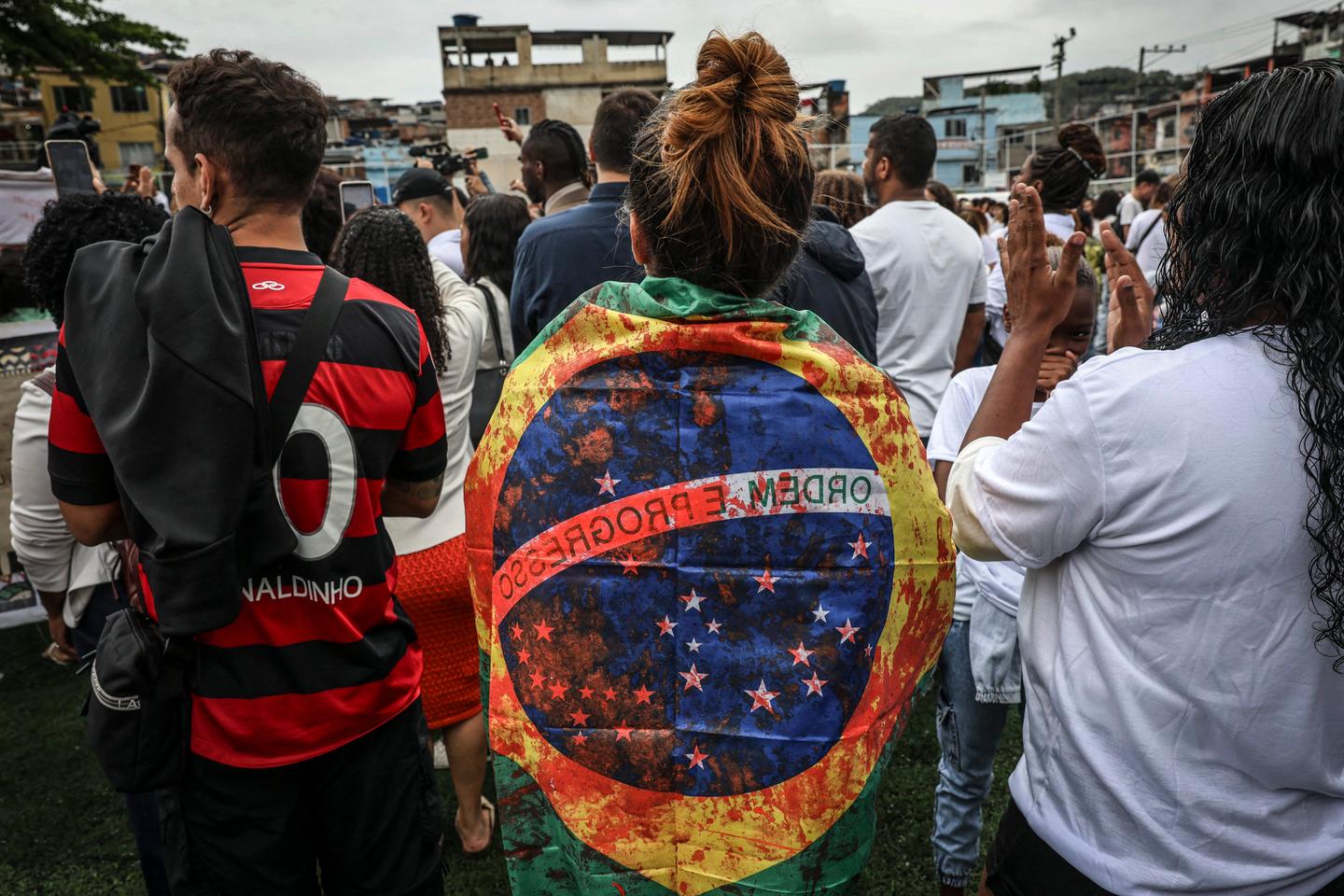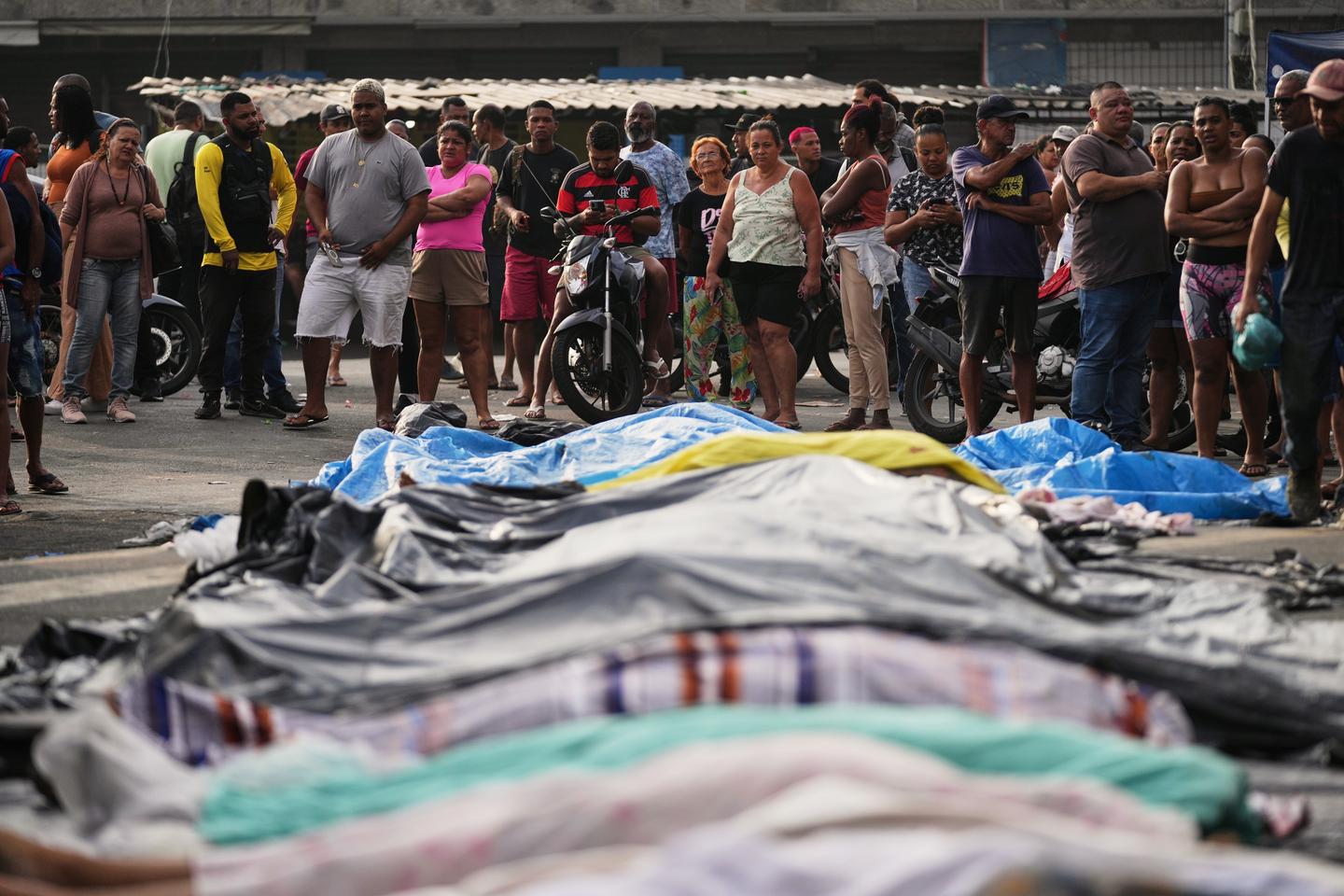
Residents of the Complexo da Penha in Rio de Janeiro, Brazil, stand near the bodies of victims from a police raid carried out the previous day against the Comando Vermelho gang, October 29, 2025. SILVIA IZQUIERDO / AP
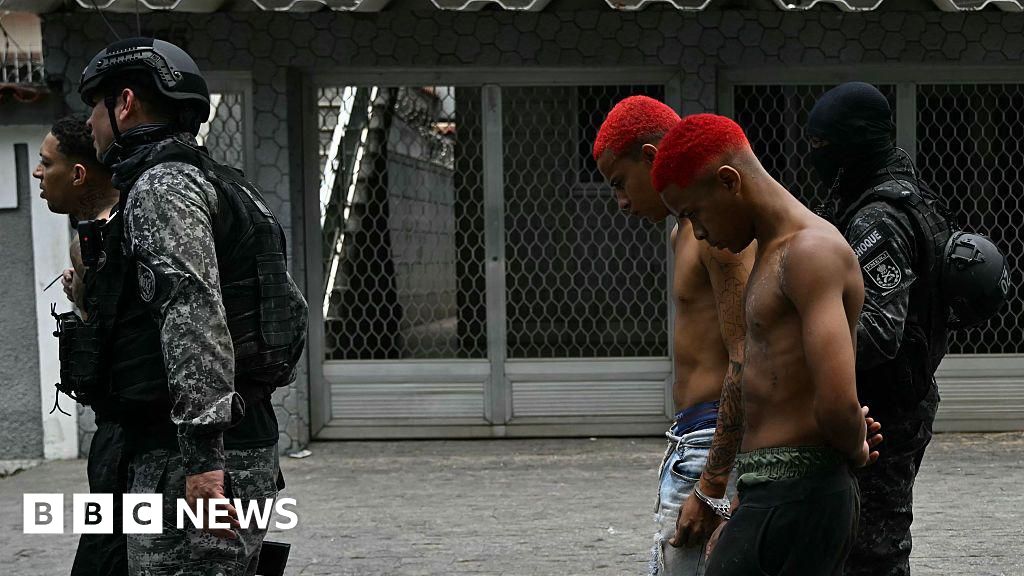
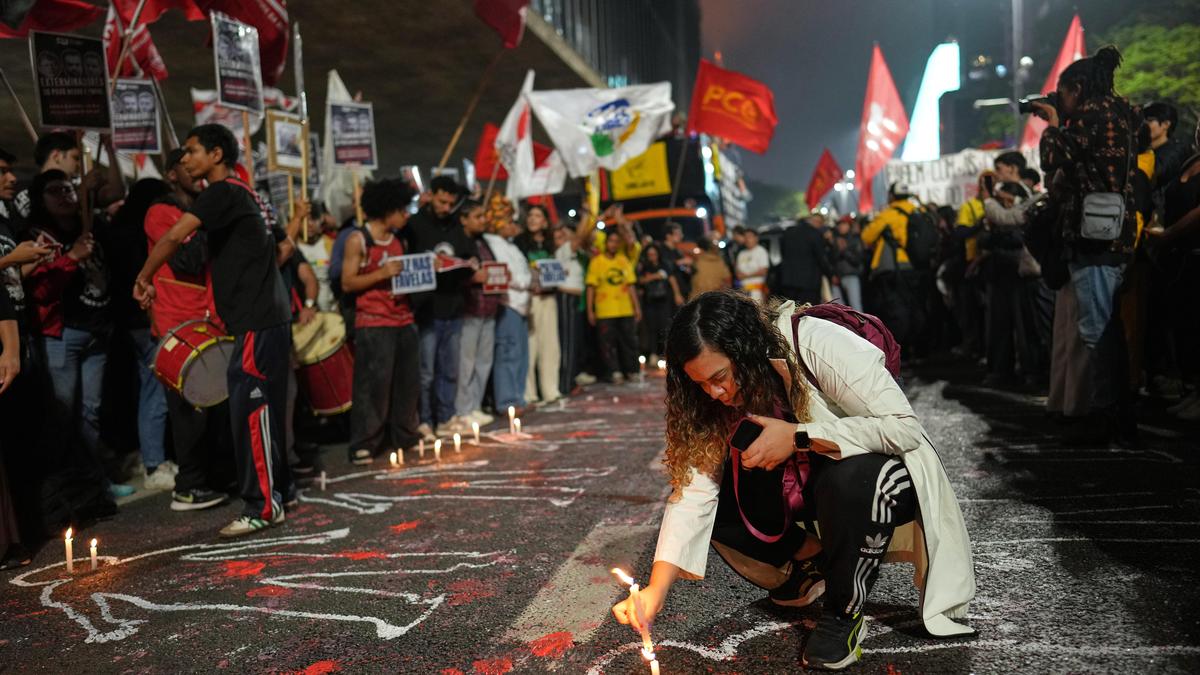
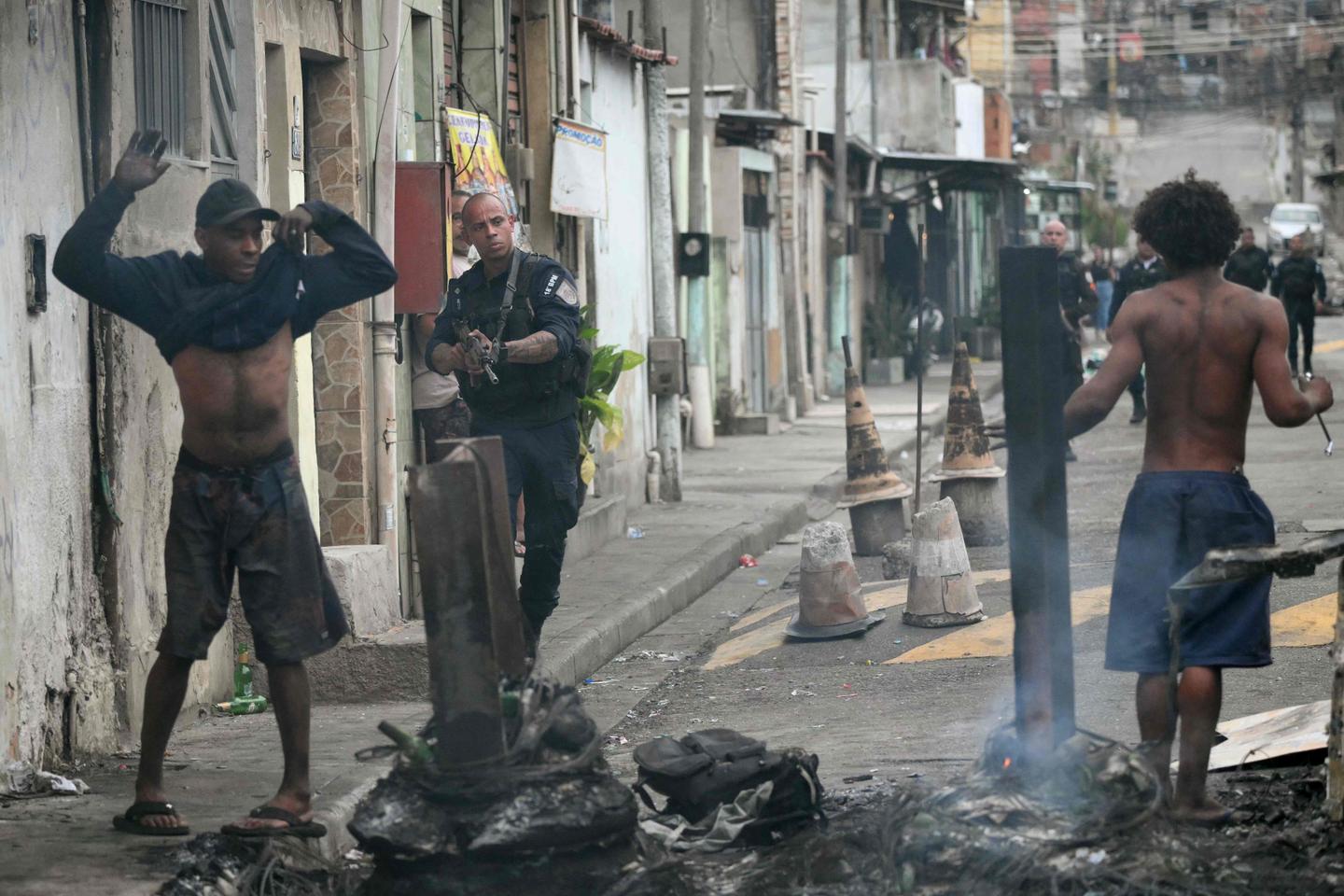
Brazilian society demanded a response after a deadly police operation in Rio de Janeiro on October 28 that targeted Comando Vermelho, one of the country's most active criminal organizations, which left more than 120 people dead. Less than a month later, it was the far right that provided it. In a major setback for President Luiz Inacio Lula da Silva, the lower house of Congress passed a so-called "anti-faction" law on Tuesday, November 18, ostensibly aimed at combating armed groups. The bill, which toughens sentences and increases the power of local police, has been criticized by organized crime experts.
The law was adopted by a large majority (370 votes in favor, 110 against) after three weeks of negotiations. The initial proposal that was drafted by the government sought to modernize the investigative tools of the federal government, in particular by making it easier to confiscate assets from companies used for criminal purposes. "We will show how, in this country, we confront these factions that live off exploiting the most vulnerable," Lula declared on October 31.