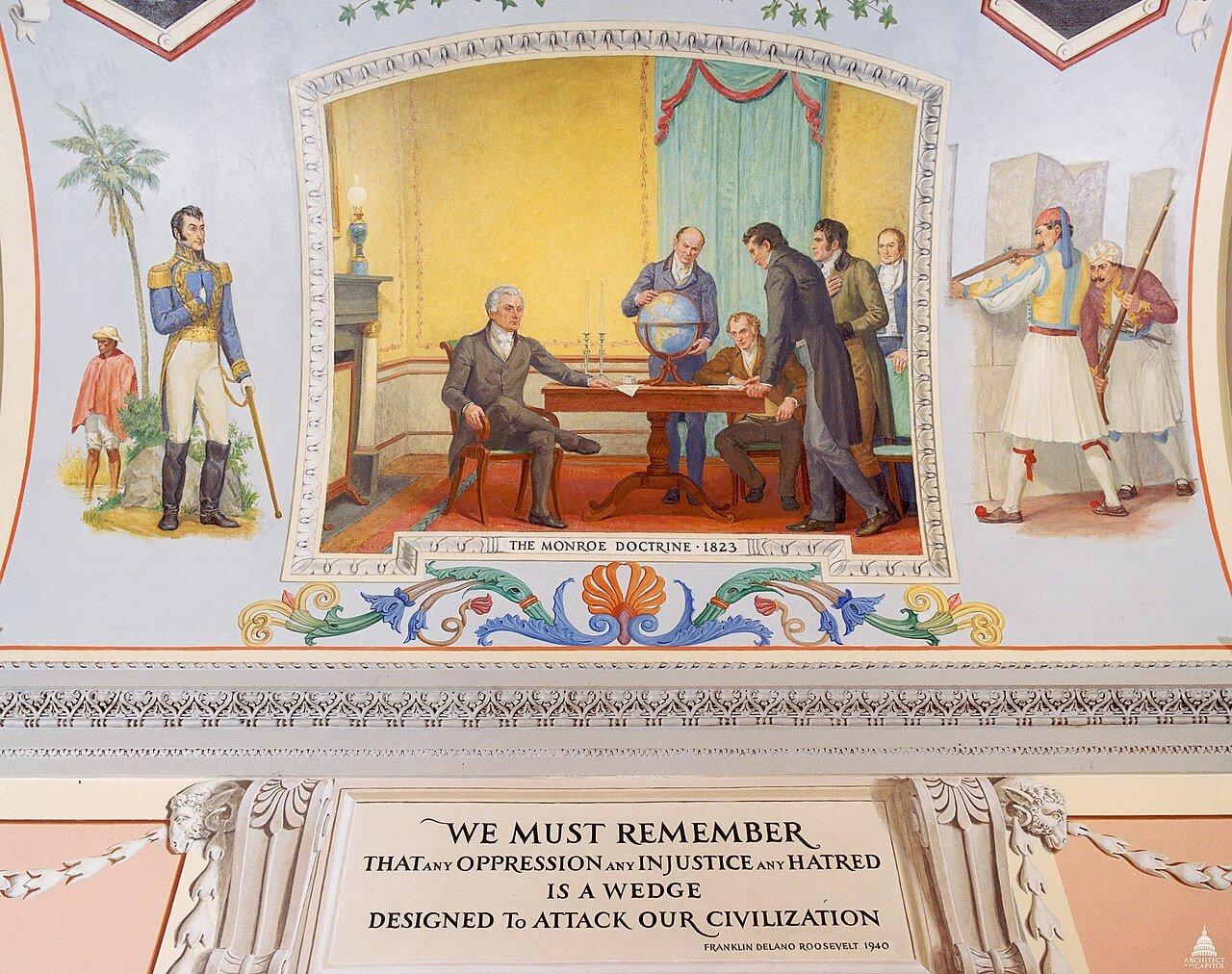
The Trump administration has been clear about its intent to make the United States the dominant security force in the Western Hemisphere. Under the so-called “Donroe Doctrine,” Washington has increased pressure on Cuba and Panama, removed Venezuela’s Nicolás Maduro from power, and launched the “Shield of the Americas” to combat drug cartels. These actions have reinforced the official policy that the White House “will not hesitate to use force if necessary and appropriate” to suppress cartels and gangs.
The question now is whether the “Donroe Doctrine” can be adapted to help address one of Latin America’s most pressing challenges: Haiti. While the U.S. government has a long record of failed interventions in the country, the Trump administration’s heightened focus on security could in fact serve the interests of both countries – if Washington is committed to mobilizing and sustaining the necessary support over time. The Donroe Doctrine is already reshaping the U.S. approach to the Caribbean nation, as the Trump administration has abandoned the Biden-era policy of seeking a “Haitian solution” in favor of a U.S.-defined strategy.
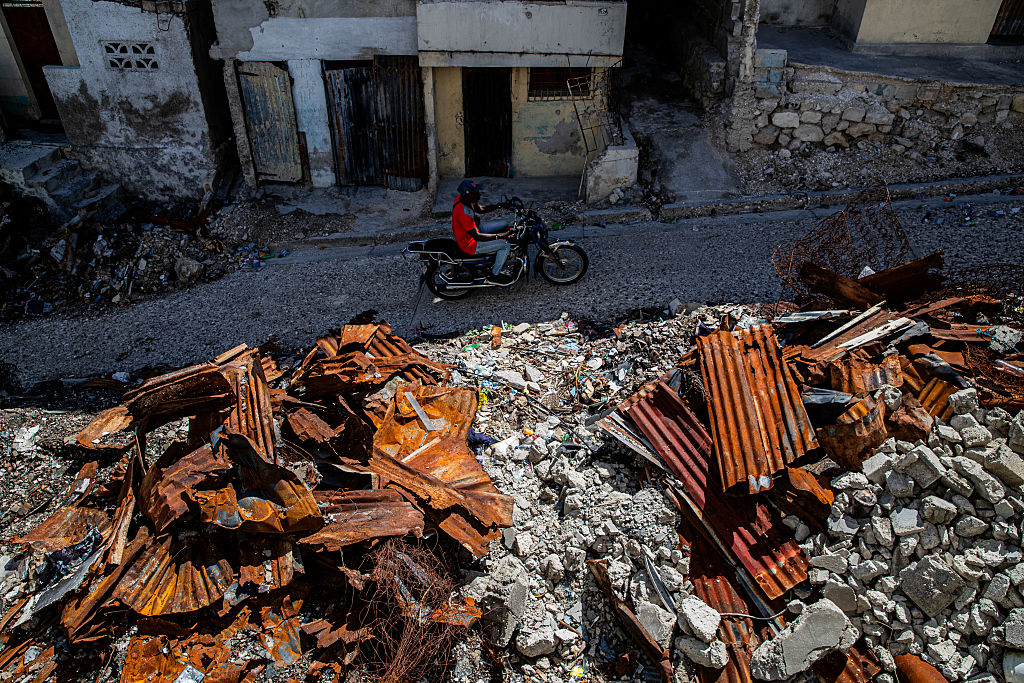
In a February 10 Senate hearing, Henry T. Wooster, the U.S. chargé d’affaires for Haiti, summed up the administration’s objective in one word: “stability,” which he defined as “no collapse of the state” and “no mass illegal migration onto U.S. shores.” However, achieving real stability in a nation with the region’s highest homicide rate, where gangs control close to 90% of the capital, and 1.4 million people are internally displaced due to gang violence, will clearly demand sustained engagement from Washington.