Reading Time: 4 minutesSAN JOSÉ—Costa Rica’s foundational myth of exceptionalism has never been more in question. The country that famously has no armed forces, that has long welcomed refugees from its Central American peers, that marketed itself to the world as a “safe haven” in the wake of the September 11 terrorist attacks, is now questioning its very identity amid a surge of organized crime and political scandals.
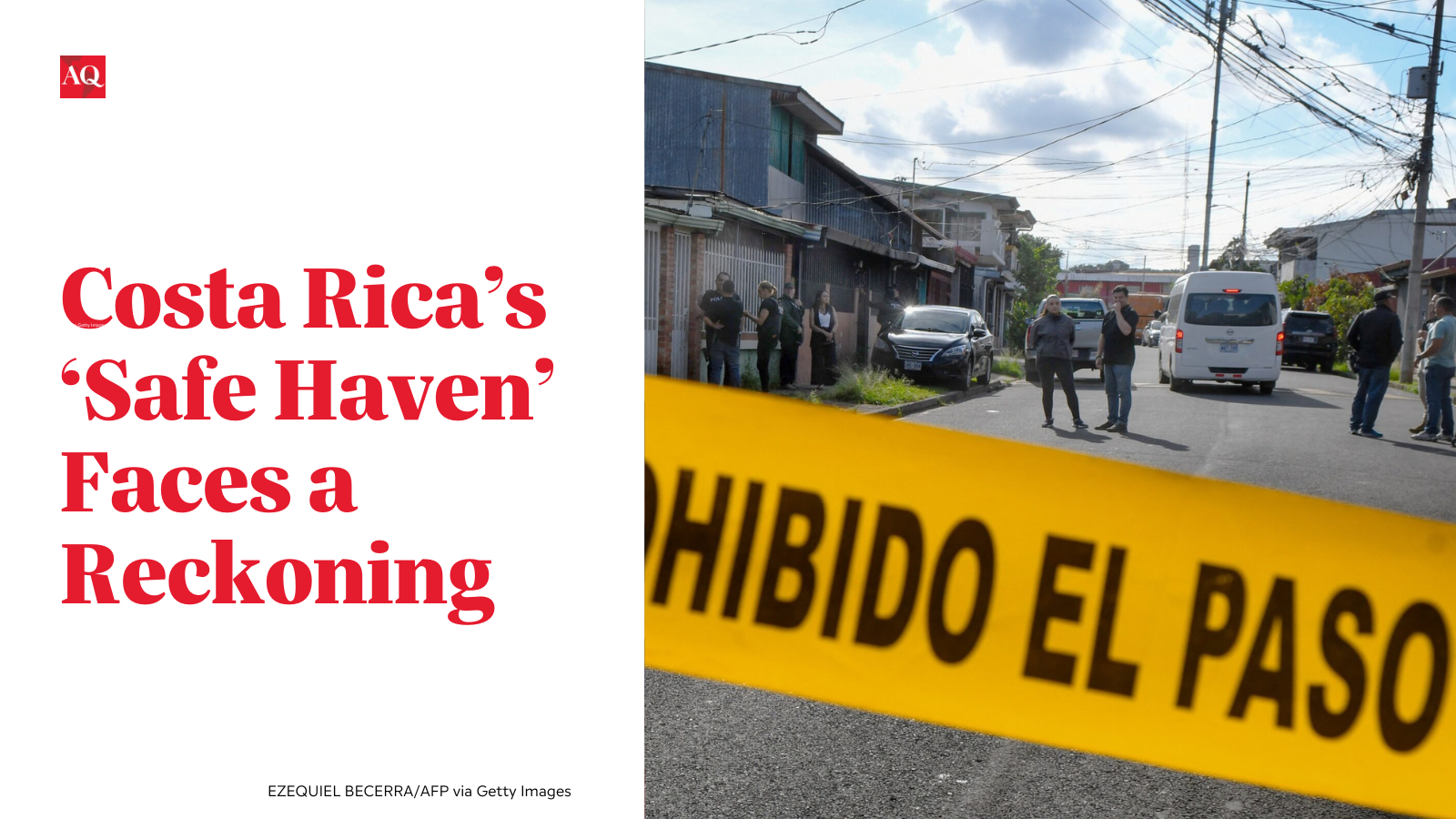
Security has been deteriorating for years as Costa Rica became one of the region’s main transshipment points for cocaine and other drugs to the United States and Europe, according to the U.S. government. But this year has seen a series of events that some citizens used to believe only happened in neighboring countries.
In June, former Security Minister Celso Gamboa was arrested on drug trafficking charges and is now facing extradition to the United States. Gamboa, a lawyer who served as a key Cabinet member in 2014 and later worked as a judge from 2016 to 2018, would be among the first Costa Ricans to be extradited under a constitutional reform passed in May, which allows extradition for drug trafficking and terrorism.
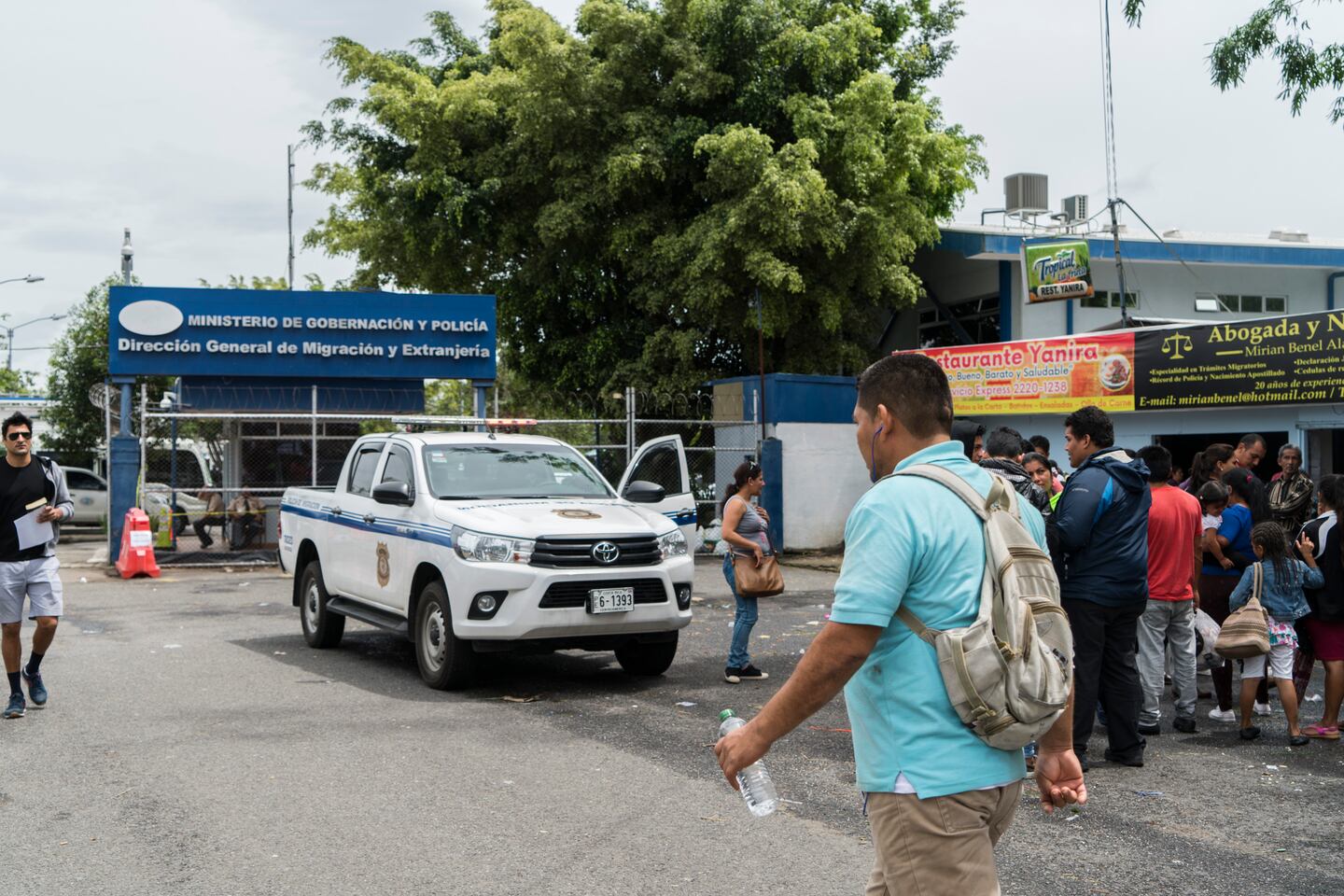
Also in June, a retired Nicaraguan army major, Roberto Samcam Ruiz, was assassinated, raising alarms about the country’s ability to protect political exiles. According to the UNCHR, since 2018, 317,000 Nicaraguans have fled their country to Costa Rica seeking international protection—Costa Rica now hosts 55% of all Nicaraguan refugees worldwide.