Reading Time: 4 minutesLIMA—Peru has long been one of Latin America’s more puzzling cases. While its neighbors lurched between economic booms and busts, the country quietly compounded growth, accumulated reserves, built a credible central bank, and maintained macroeconomic orthodoxy across governments of wildly divergent ideological standings. Presidents came and went—some impeached, some fleeing justice, one staging a failed self-coup—and the economy kept growing. Eight presidents in ten years, yet the currency held strong, inflation and spreads remained among the lowest in the region, and the mining sector kept producing. This decoupling of economic performance from political dysfunction is, by any regional standard, remarkable.
It is also, increasingly, fragile.
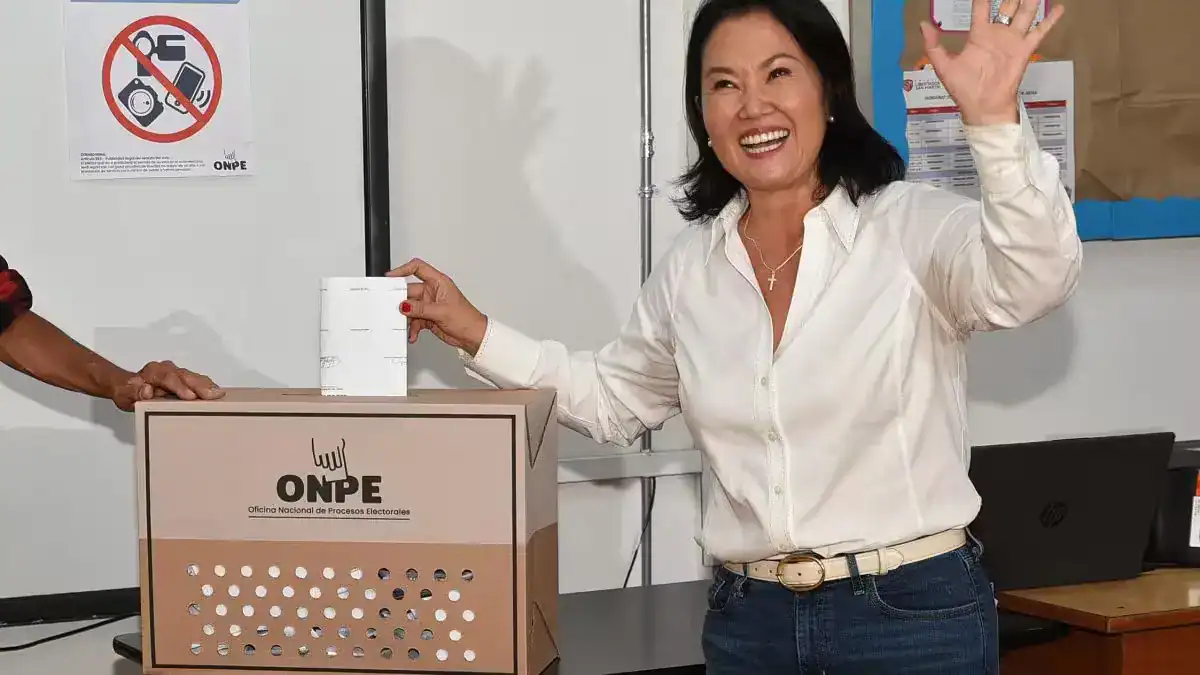
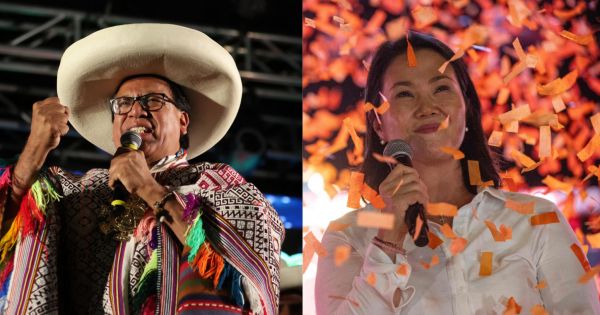
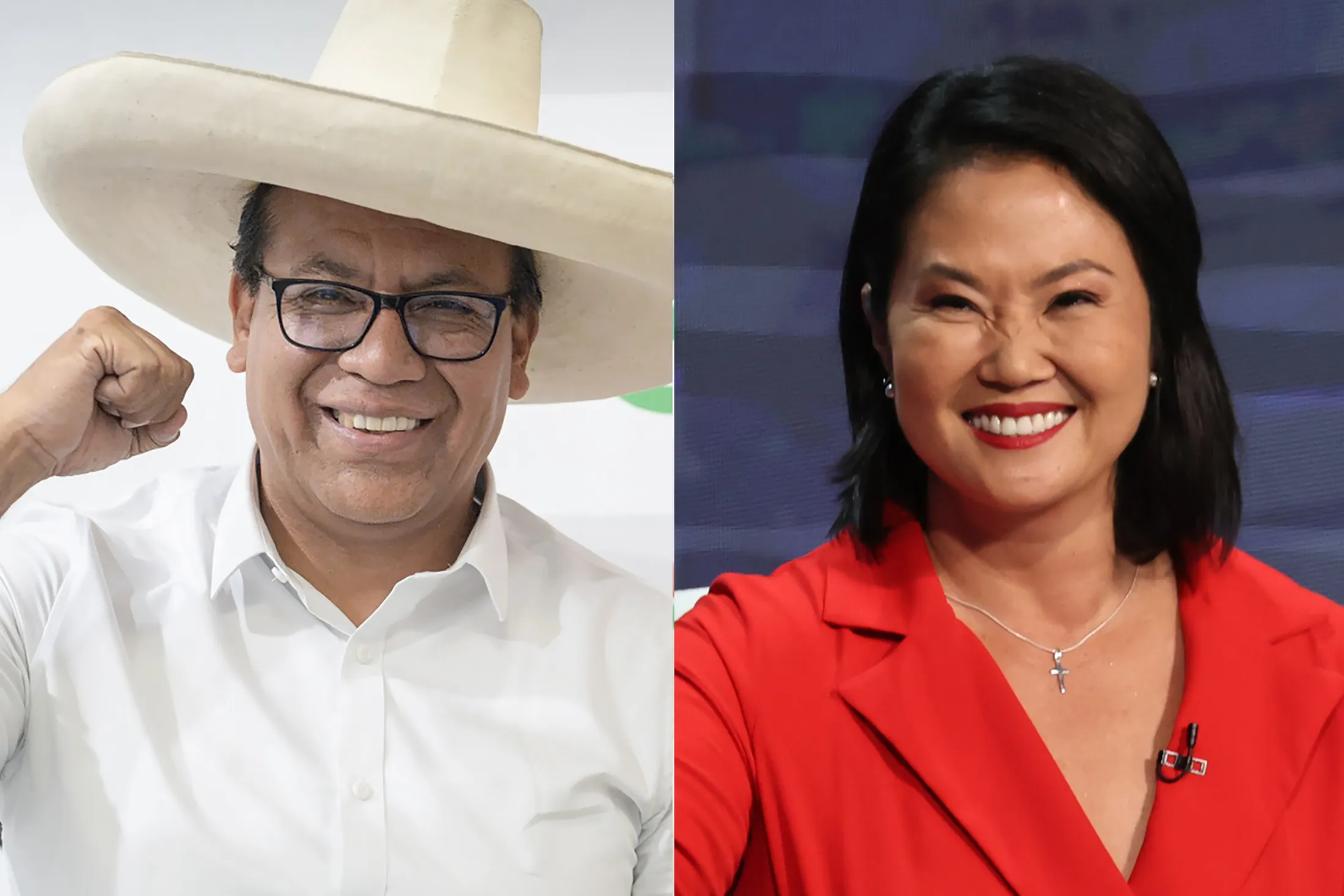
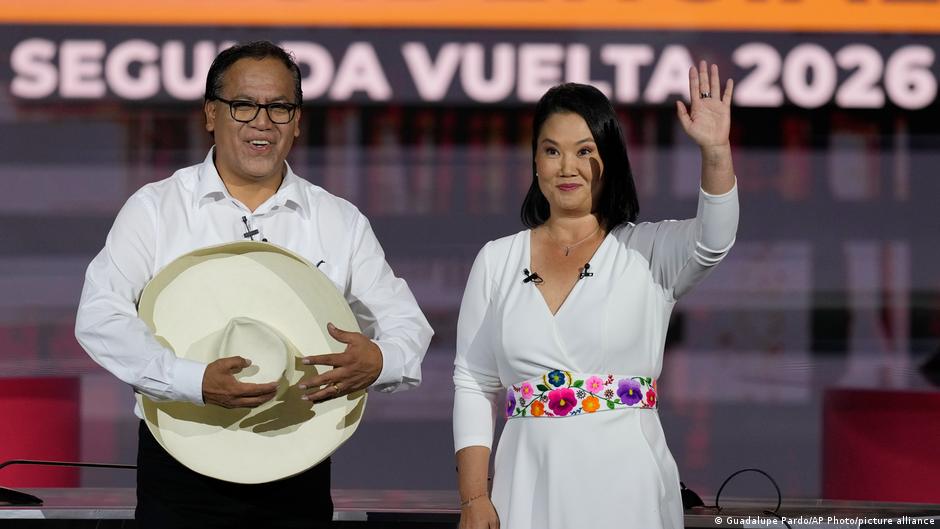
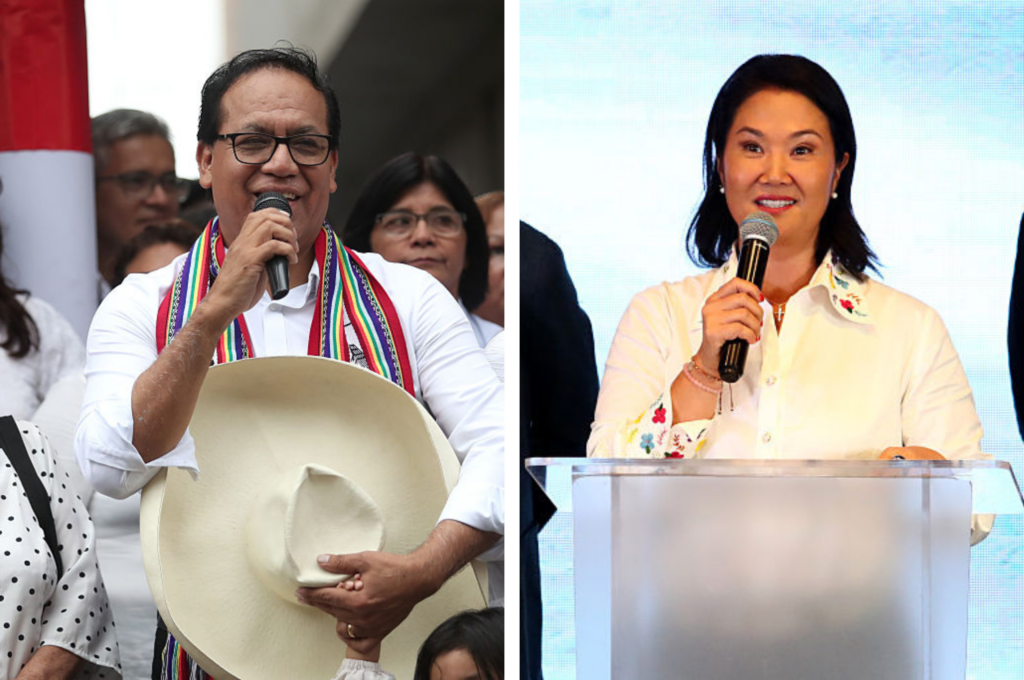
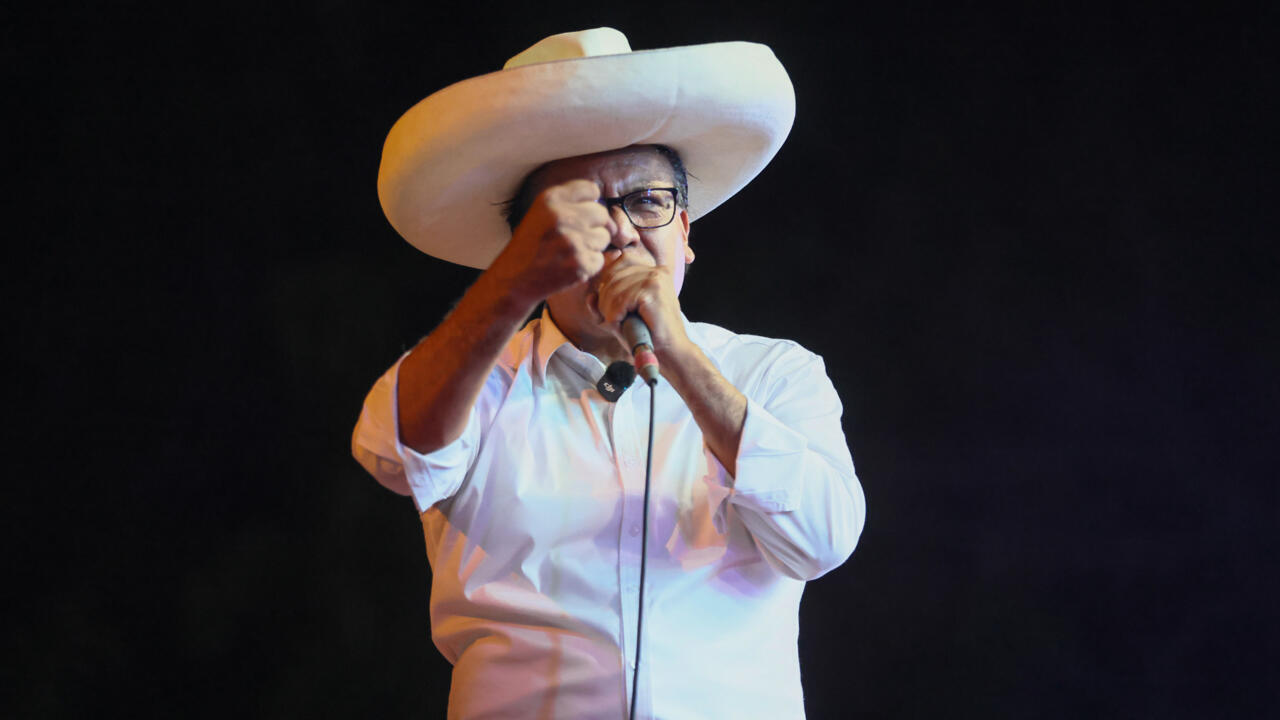
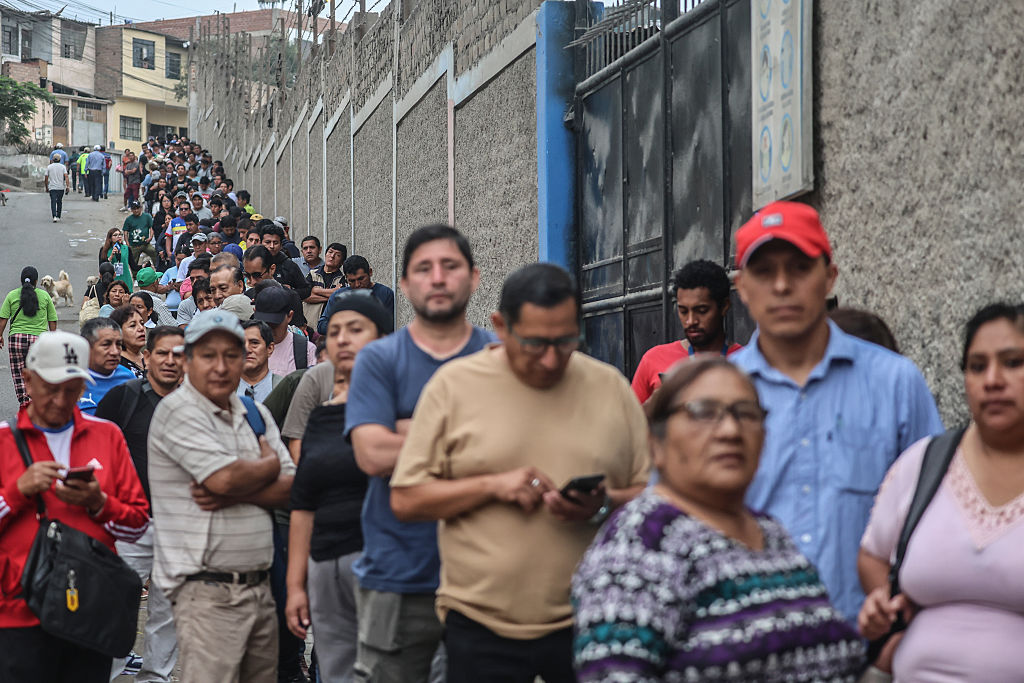
While official results are not yet final at the time of writing, and the margins remain razor-thin, the first round of the 2026 election closely resembles that of 2021. Once again, Keiko Fujimori—daughter of former president Alberto Fujimori and three-time presidential candidate—appears set to face an extreme leftist, Roberto Sánchez, a former minister in Pedro Castillo’s Cabinet, in the June 7 runoff. Sánchez is a serious threat to stability. His hardline ideological stance and alignment with radical factions (such as the nationalist, previously convicted Antauro Humala) could push Peru toward a governing model that breaks sharply with the institutional continuity that has anchored the economy for two decades. The race, in effect, looks like a stress test of whether the guardrails that protected Peru during past turbulence can hold against a government actively working to dismantle them.