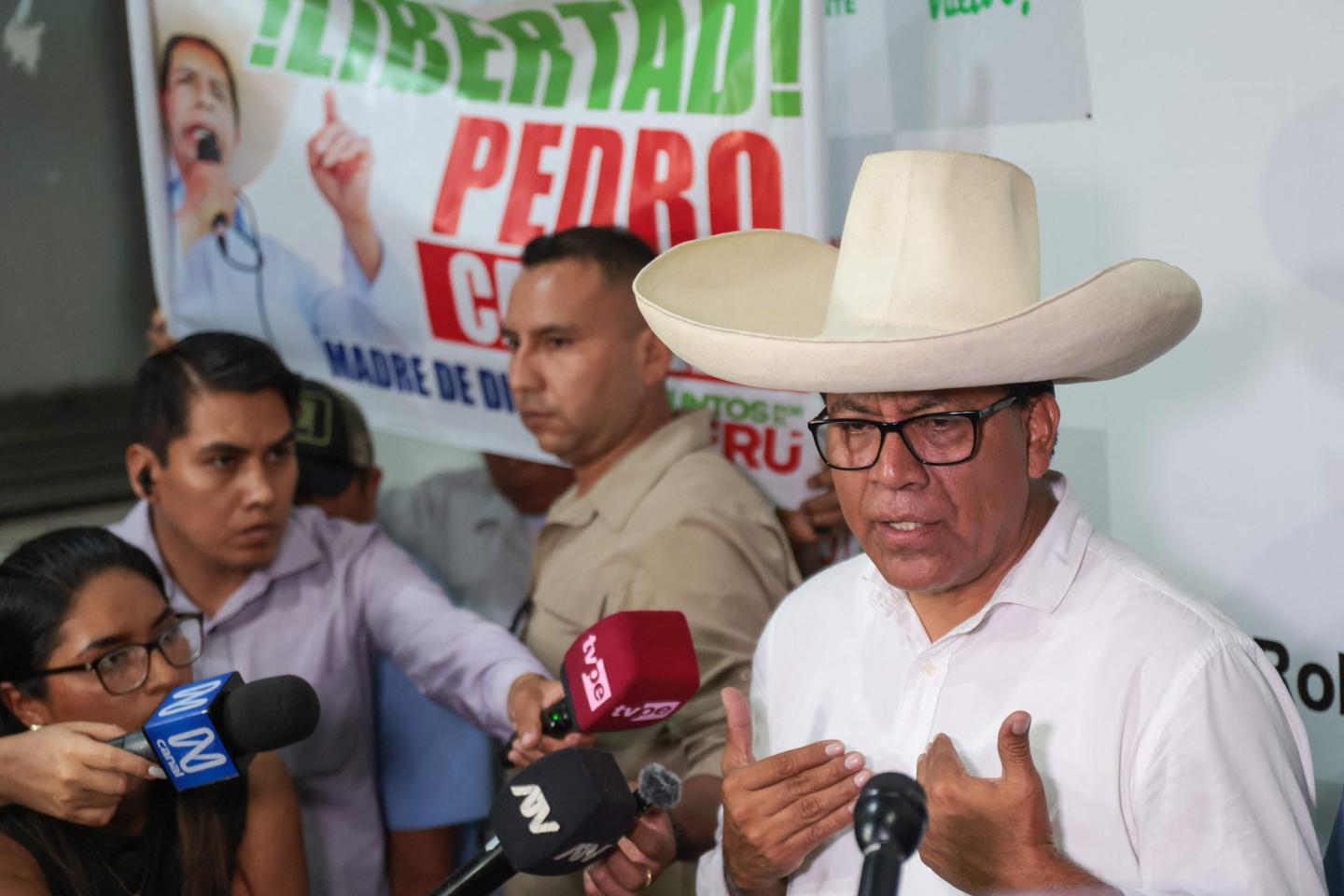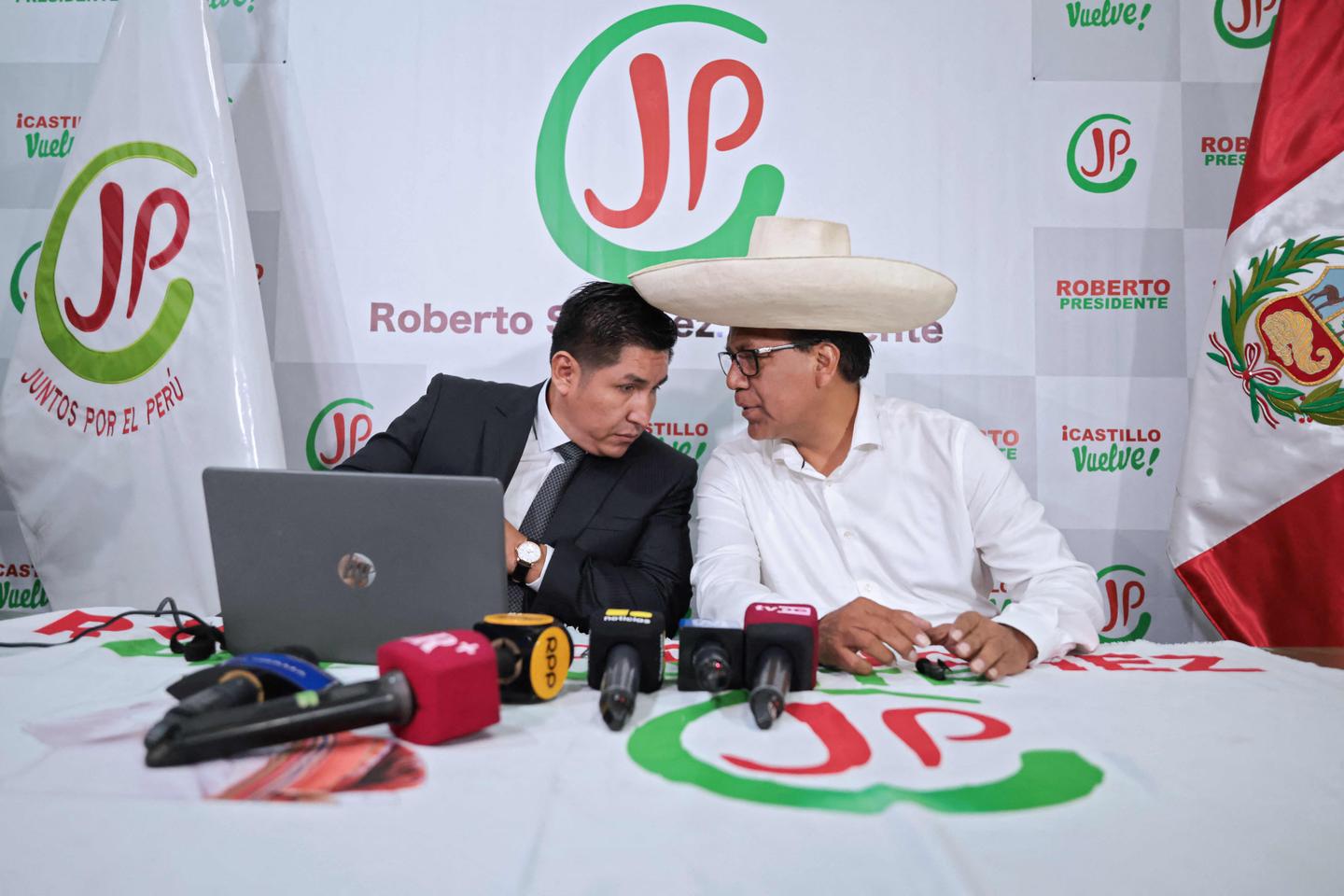
Roberto Sanchez (right), left-wing candidate in the Peruvian presidential election, with his lawyer, Lima, April 25, 2026. CONNIE FRANCE/AFP
W
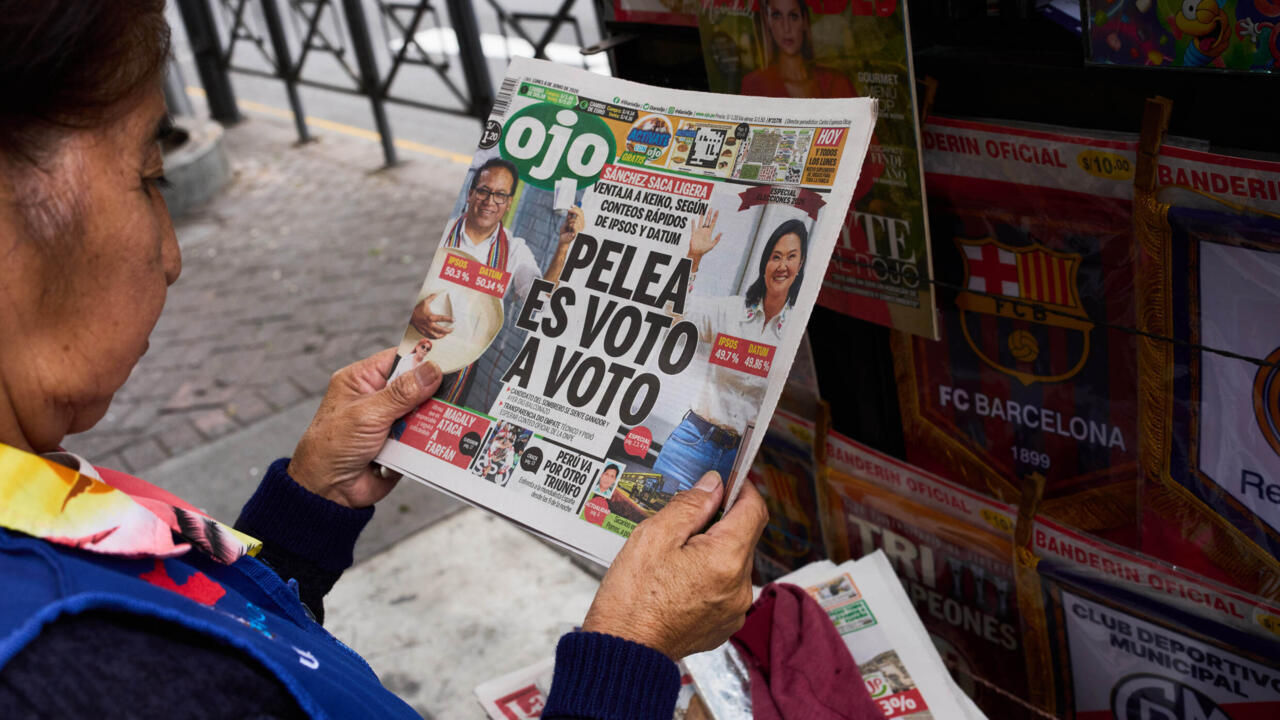
ill left-wing candidate Roberto Sanchez maintain his lead over far-right candidate Rafael Lopez Aliaga, qualifying him for the second round of Peru's presidential election on June 7? Fifteen days after the first round, which was held on April 12, suspense remains. The final results are still pending and the outcome will be decided by just a few thousand votes. The winner will face Keiko Fujimori (far right), who led the first round with 17% of the vote. At 50, she will be contesting the runoff in a presidential election for the fourth consecutive time.
Sanchez, who claims to be the political heir of former president Pedro Castillo (2021-2022), is ahead of his rival by around 23,000 votes. Castillo was sentenced in 2025 to 11 years in prison for conspiracy after attempting to dissolve Congress outside the constitutional framework in 2022, but he has remained very popular in the country's poorest regions.
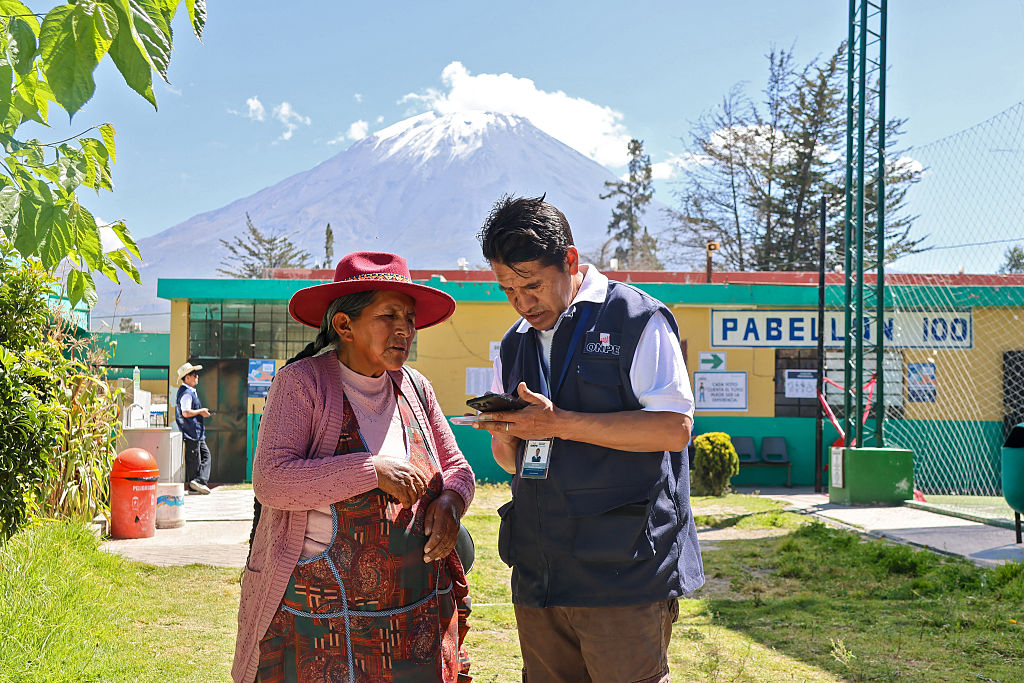
Twenty-seven million voters were called to the polls in a country where voting is mandatory. But the slow counting of ballots from rural areas and from abroad – combined with the review of thousands of ballots by the National Jury of Elections (JNE) following a vote marked by a series of technical problems, as well as the extremely narrow gap between the two candidates vying for second place (24,000 votes as of Tuesday, April 28) – calls for caution.