This story is part of The Disaster Economy, a Grist series exploring the often chaotic, lucrative world of disaster response and recovery. It is published with support from the CO2 Foundation.
When a mile-wide tornado hit St. Louis on May 16, DeAmon White hopped in his car and rushed home. As he navigated downed trees and power lines, turning his 10-minute commute into a three-hour slog, he worried whether his family, neighbors, and home made it through unscathed.
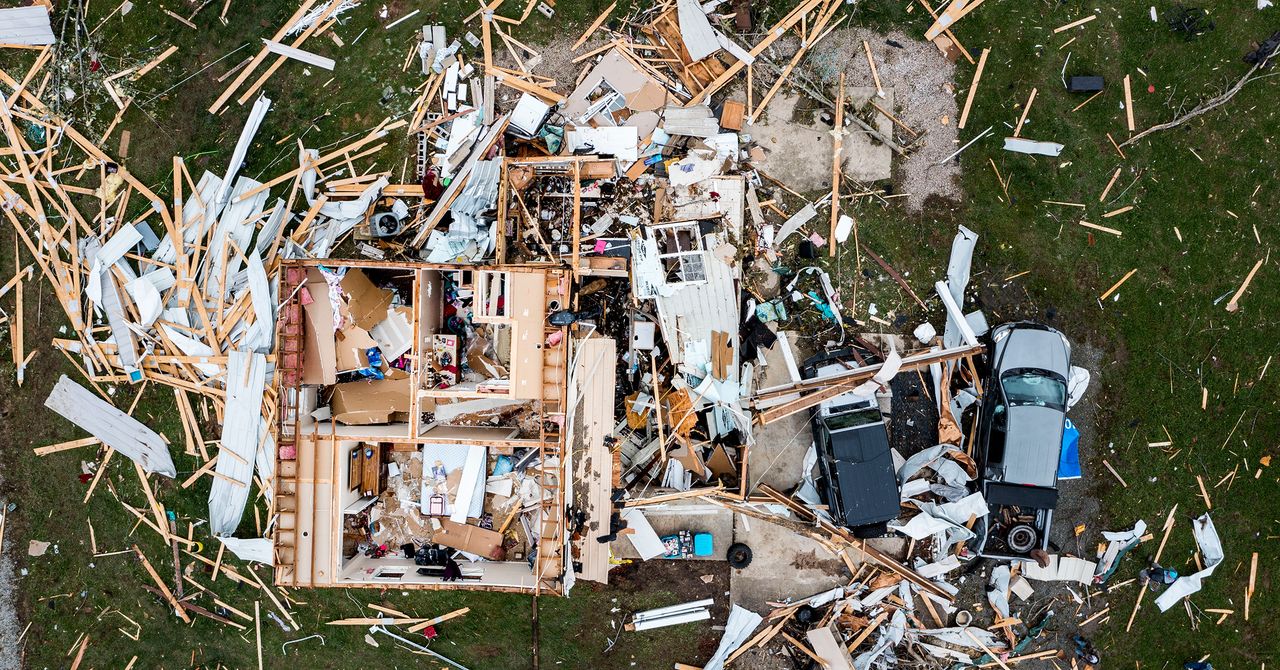
When he turned the corner onto his block, White’s heart sank. The entire back wall of his house had been blown off. Chunks of ceiling plaster littered the floor, windows were shattered, and much of his property was damaged beyond repair.
Next, White checked on his mother, Bobbie, who lives a five-minute walk away. The third floor of her home was gone. But miraculously, her front yard flower garden made it through the 150 mph winds unscathed.
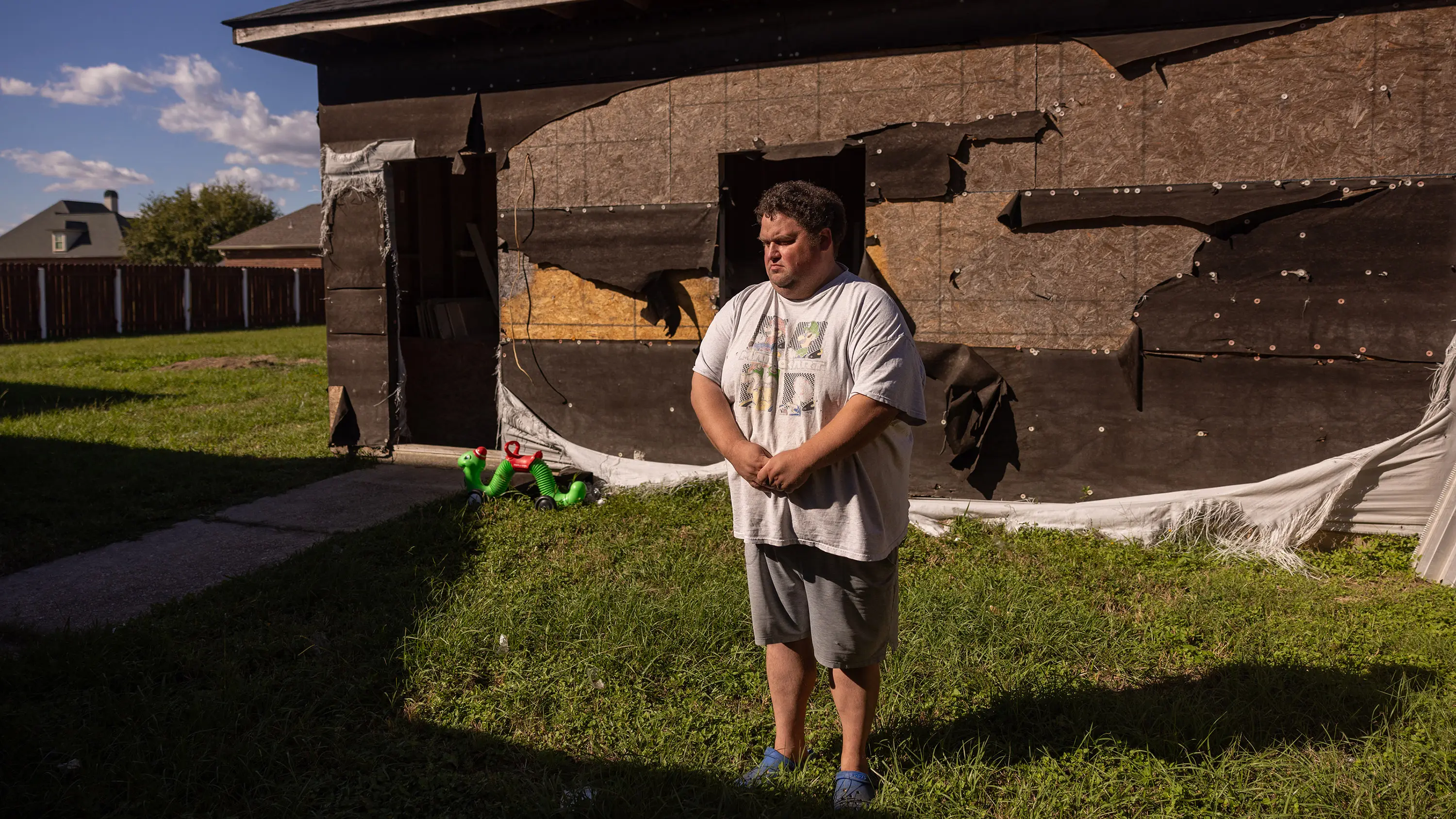
Damage to DeAmon White’s home in St. Louis from an EF-3 tornado on May 16. Courtesy of DeAmon White