This story is part of The Disaster Economy, a Grist series exploring the often chaotic, lucrative world of disaster response and recovery. It is published with support from the CO2 Foundation.
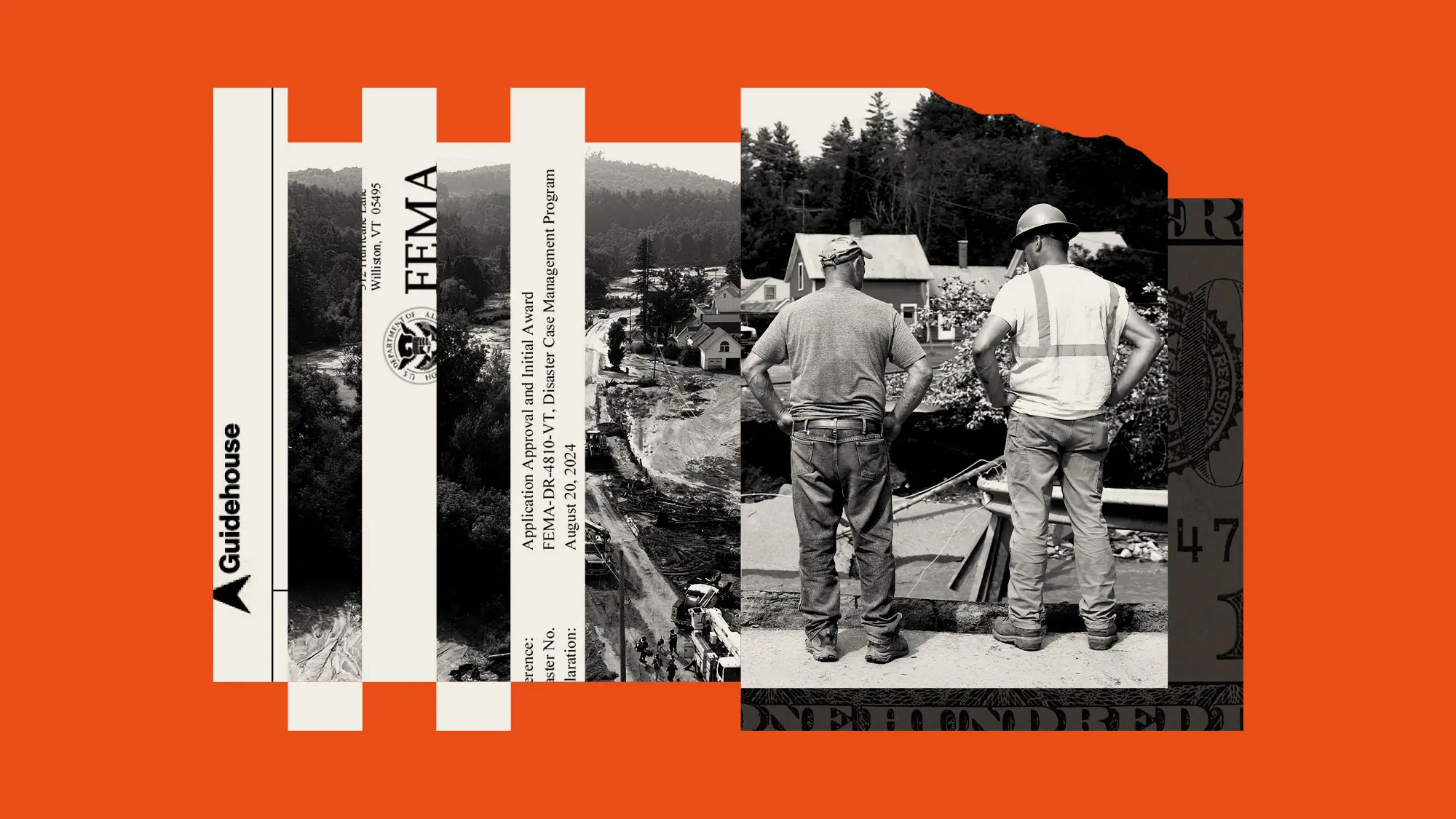
On the afternoon of August 21, Jason Gosselin raised the alarm: The flood recovery project he managed was running out of money faster than he had anticipated. One email he sent his colleagues ended with an anxious parenthetical: (calm down, Jason, calm down).In July 2024, Vermont was hit by 100-year flooding for the second summer in a row. Among the aid that the Federal Emergency Management Agency approved was a $2.9 million grant to hire an 11-person disaster case management team to help victims navigate their FEMA applications, find other available resources, and rebuild their homes. The money was supposed to last two years but was on pace to be gone far sooner. The morning after his first email, Gosselin, who is the emergency management director at the Vermont Agency of Human Services, sent another message detailing the likely source of the unexpected financial drain. The corporate contractor Vermont used to hire the team, he calculated, was actually billing nearly half of the budget for its own staff.