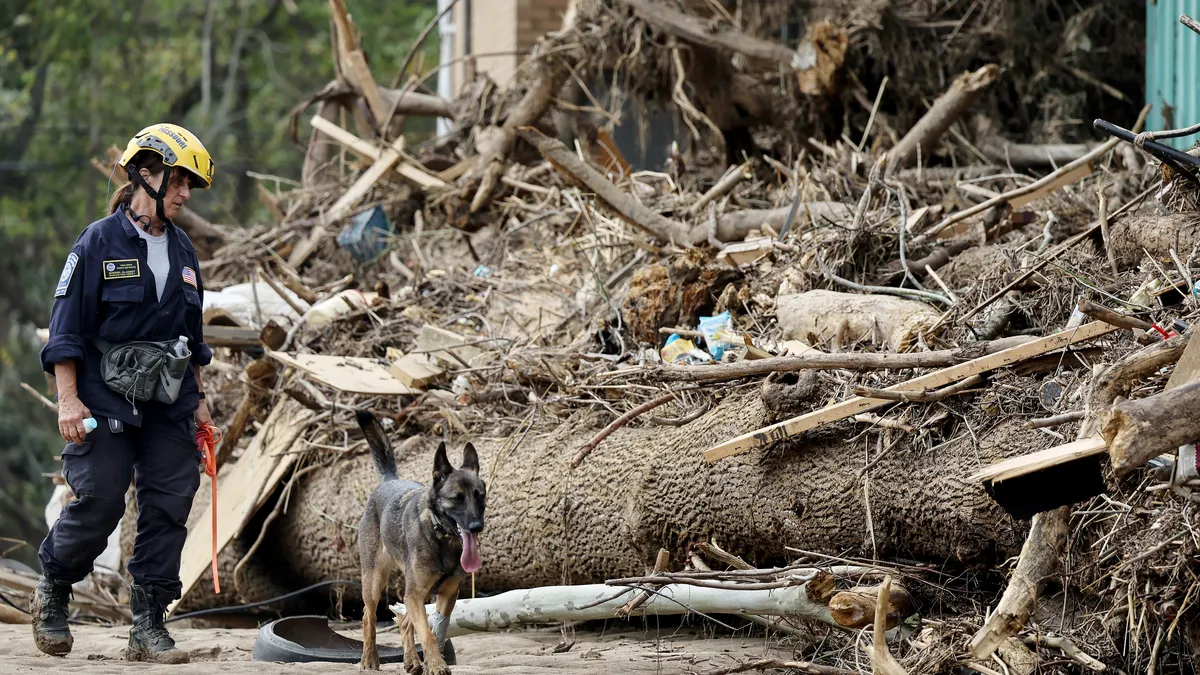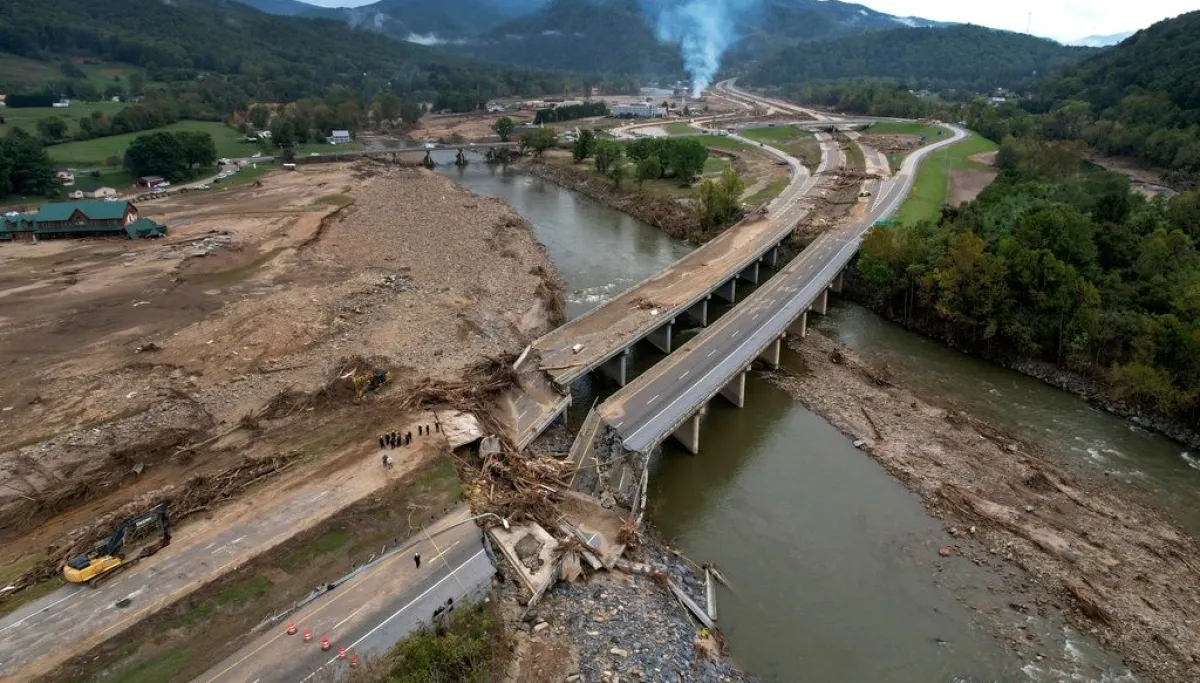
There are a lot of ways for disaster victims to get help in the immediate aftermath of a flood or fire. The Federal Emergency Management Agency gives out temporary housing assistance and pays for debris removal, insurance companies pay to rebuild homes and replace lost valuables, and charity groups pass out food and water.
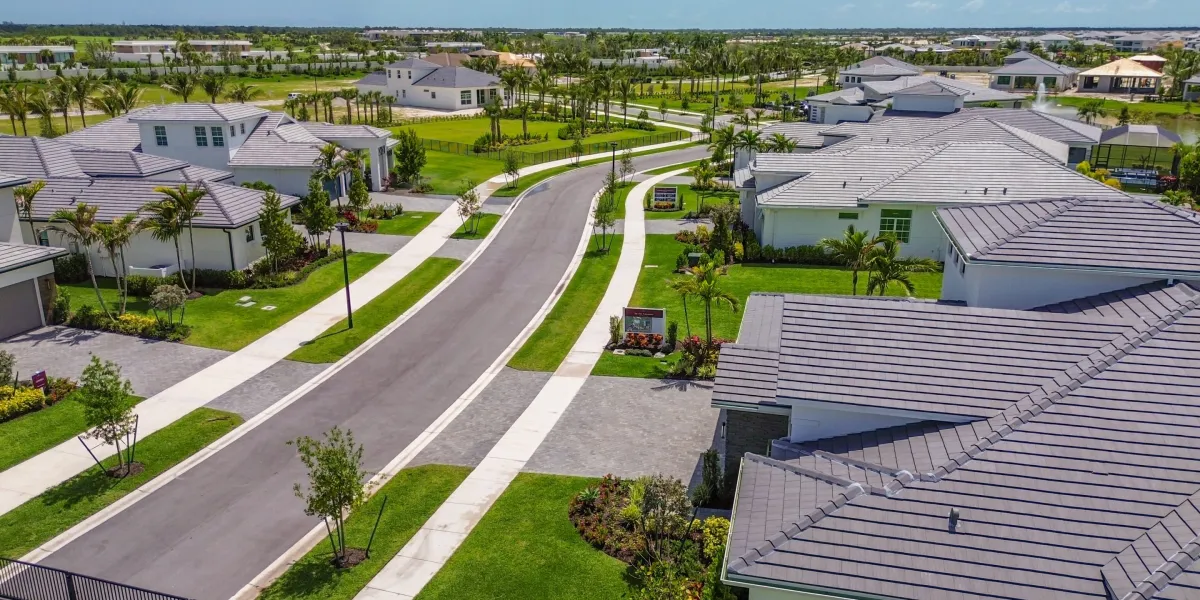
But the long-term recovery from a major disaster is a lot harder. It can take a community years to build back from a major hurricane or wildfire, and the United States only has one federal program to help. Run by the Department of Housing and Urban Development, or HUD, the Community Development Block Grant Disaster Recovery program has provided more than $100 billion to disaster areas over the last few decades, but almost everyone agrees that it is broken. The program operates on an ad hoc basis, without permanent congressional approval, so most of its disaster grants take more than half a decade to execute and arrive too late to make a difference.
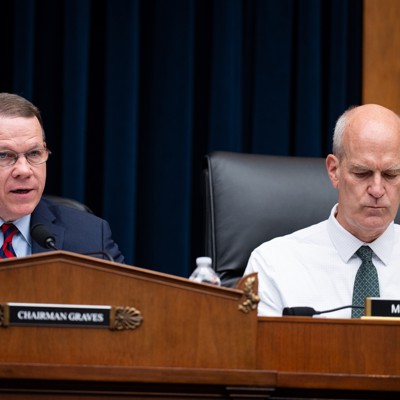
That is about to change. Last month, Congress passed a major bipartisan housing bill with an endorsement from President Donald Trump. The president has said he will not sign the bill because Congress has not passed voting restrictions, but it will become law at the end of today if he does not veto it. Congress has enough votes to override a potential veto anyway.