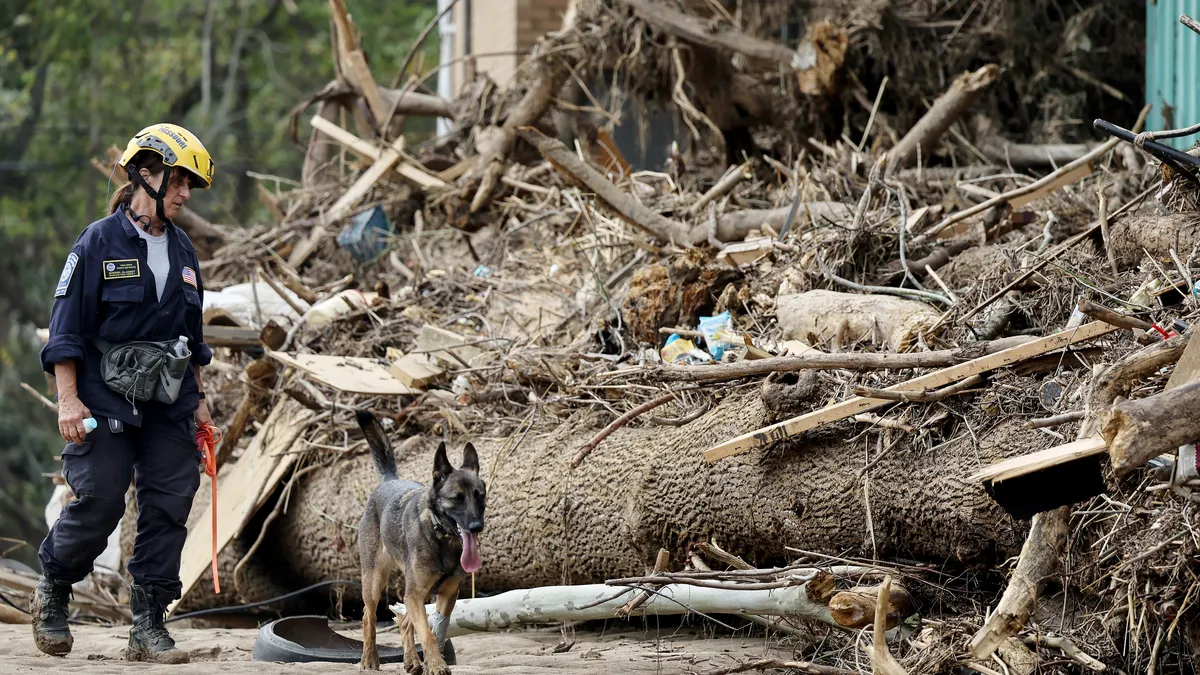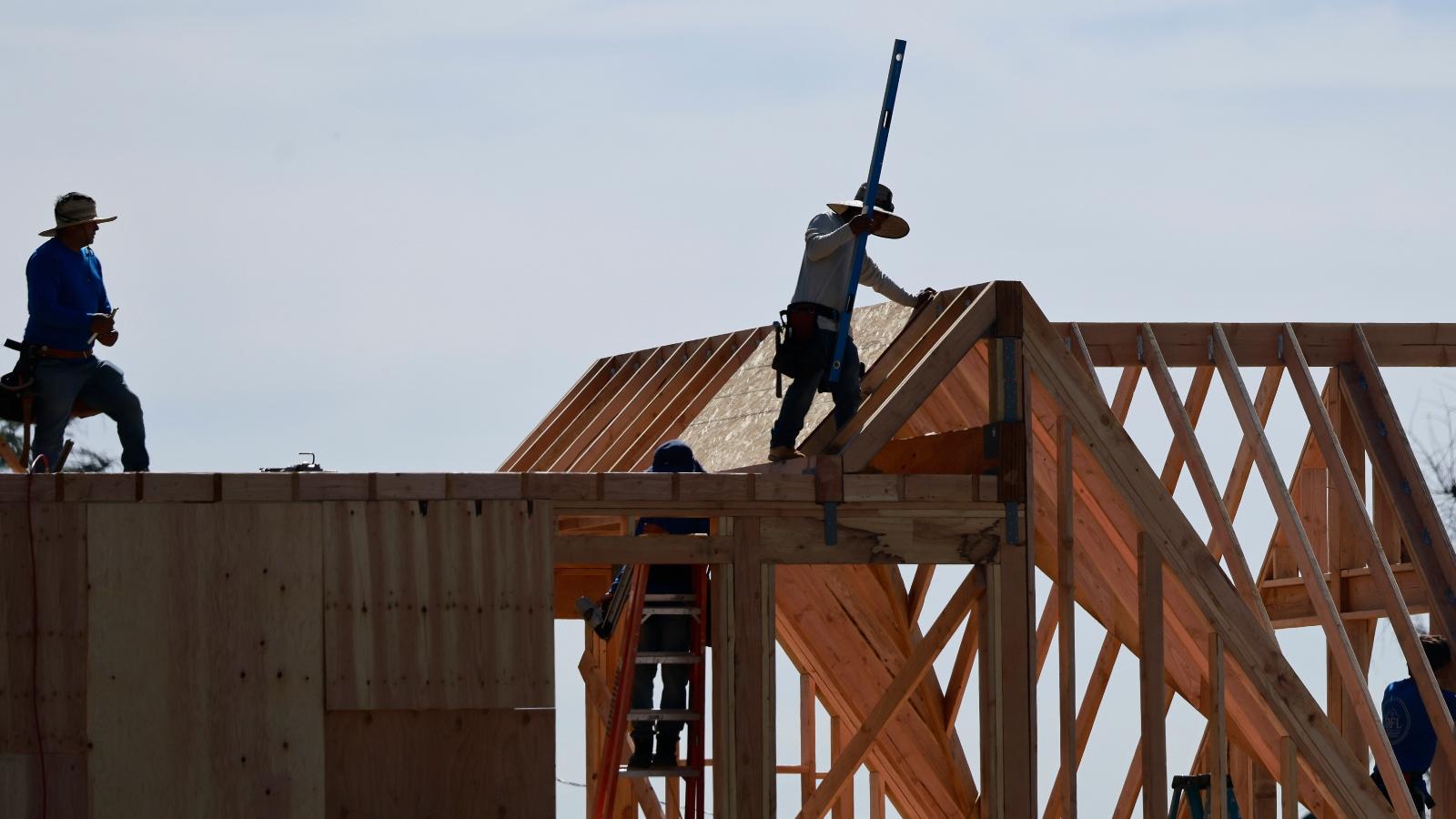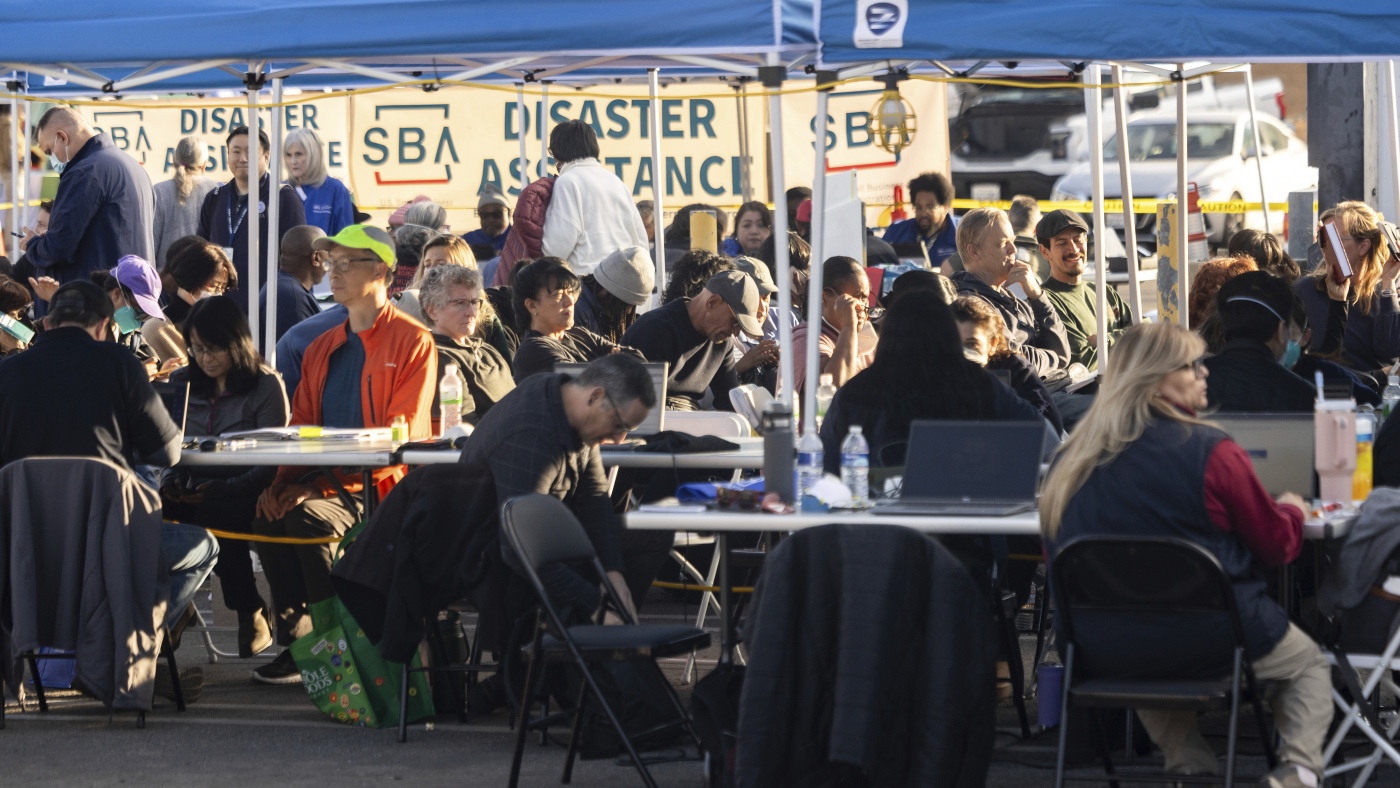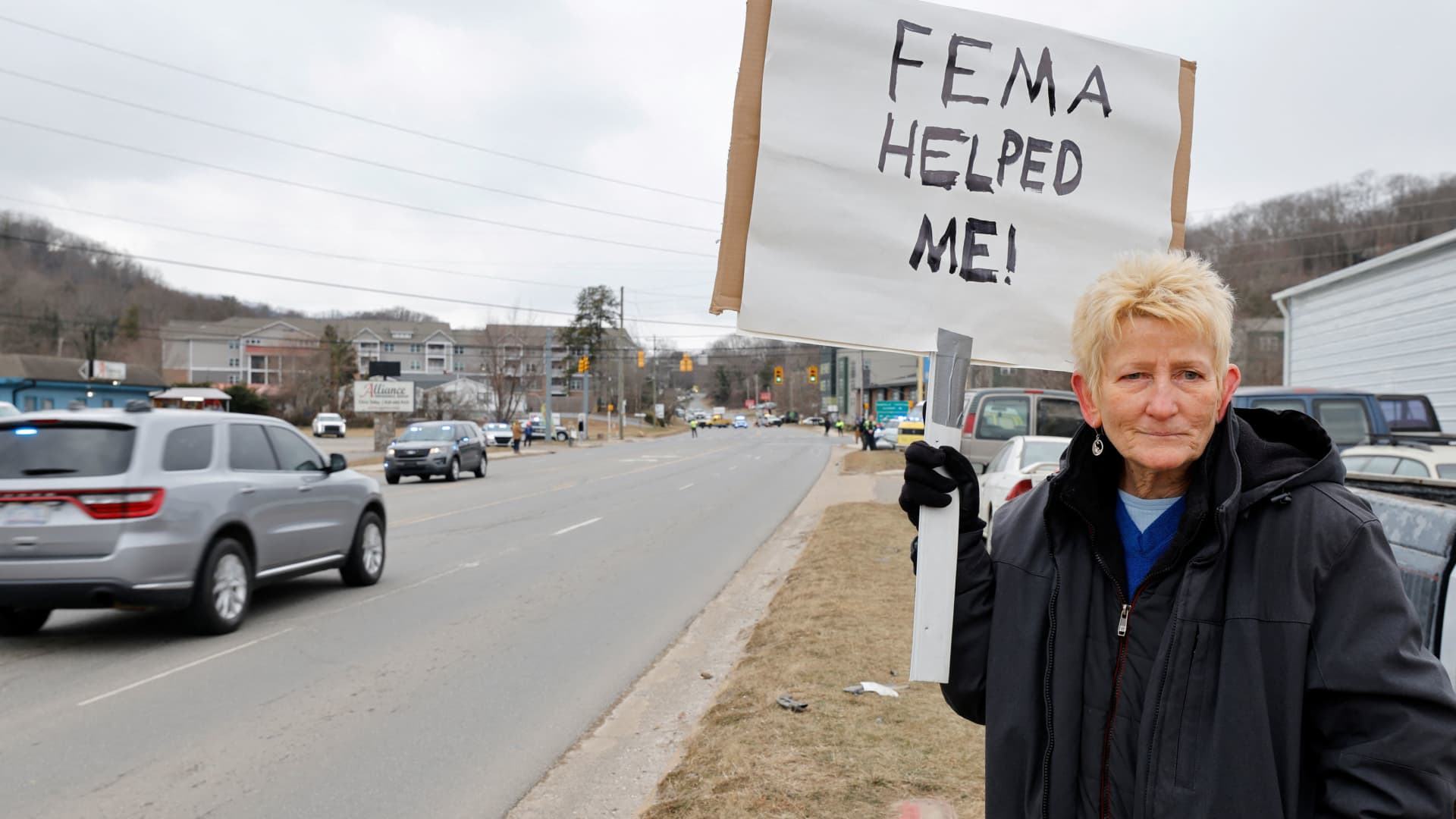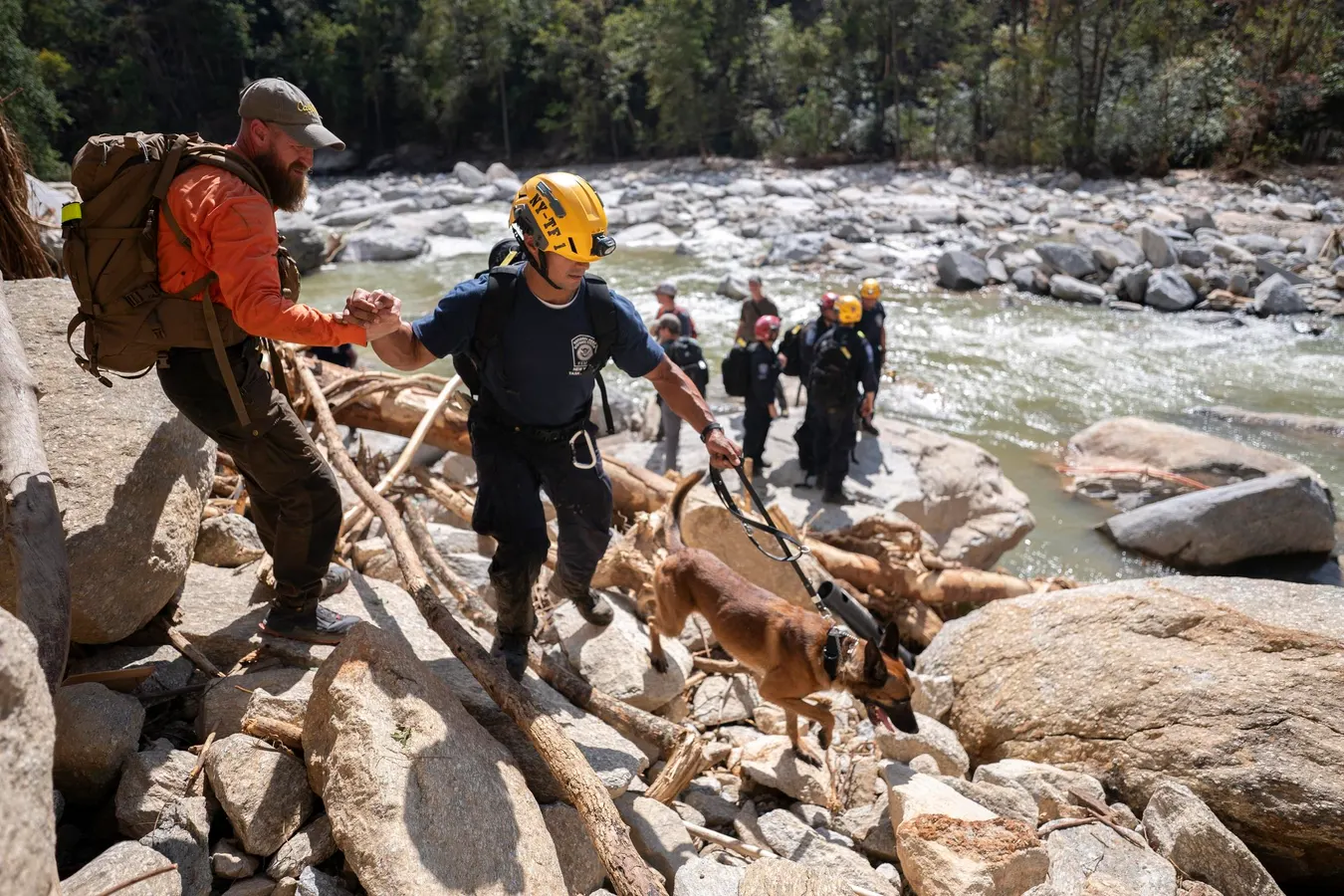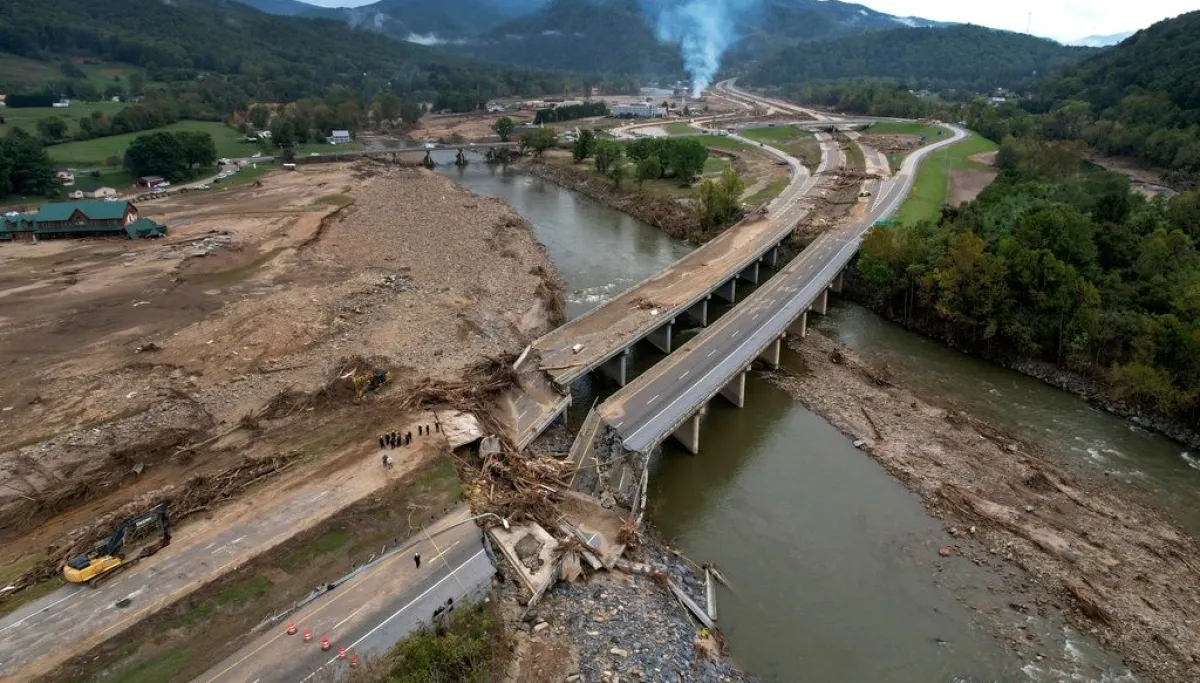
When disaster strikes, millions of people rely on the Federal Emergency Management Agency to help their communities rebuild. Nowhere is that partnership more critical than in rural America, where electric cooperatives are often on the front lines restoring power in some of the hardest-hit, hardest-to-reach areas. America’s not-for-profit electric cooperatives serve some of the nation’s most disaster-prone, remote, and sparsely populated regions. Every year, co-ops lose poles, transformers, power lines, and other critical infrastructure to ice storms, tornadoes, floods, hurricanes, wildfires, and more. When major damage occurs, the cost of rebuilding essential infrastructure can place enormous pressure on local co-ops. Without support, the cost of storm recovery would frequently translate directly into higher electric bills for rural families, farmers, and small businesses.That’s why FEMA’s Public Assistance Program is a lifeline. When a storm hits, co-ops mobilize immediately to restore power quickly and safely. And doing that in rugged, remote territory is labor-intensive and expensive. Disaster relief funding through FEMA helps ensure that rural communities aren’t left bearing enormous recovery costs on their own.
FEMA public assistance is essential to rural recovery
Rural America deserves a FEMA that is fast, transparent, and effective. The bipartisan FEMA Act charts a stronger path forward.
618 words~3 min read