Creating new perspectives since 2009
April 16, 2026 at 5:21 pm
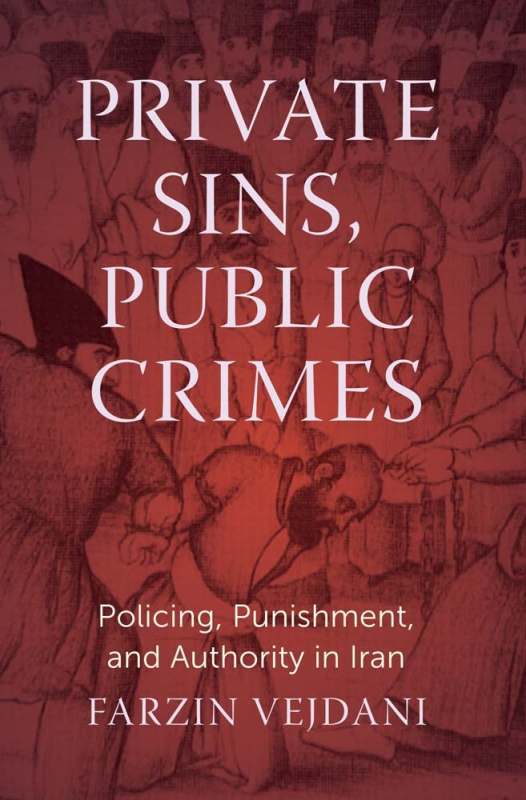
In 1825, Fath Ali Shah, King of Iran, marched on Isfahan with his troops to bring an unruly tribesman to justice. The Shah had received complaints about a Lur tribesman named Hashim Khan, who had been involved in raiding people’s homes, extorting money, using torture, killing people including one sayyid or descendant from the family of the Prophet Muhammad (PBUH), sexually assaulting women. Despite these outrages, the governor of Isfahan was either unwilling or unable to act against him. Hence the Shah came to dispense justice in person by killing 200 of Khan’s supporters and detaining Khan.
While being questioned by the Shah, Khan cursed him and said ‘the world does not remain without a sovereign, when one leaves another takes his place.’ Although an important Friday prayer leader tried to intercede on his behalf, the Shah had Khan’s beard shaved off with a dull razor in order to challenge his honour and manhood, blinded and then executed. A contemporary eye-witness source says ‘carried [Khan] through all the bazaars, amidst the ridicule of the spectators; he underwent the severe punishment of bastinado on the main road Ghaysery.’ Khan tried to challenge the power of the Shah locally, but his story sits at the nexus of the changing notions of law, sovereignty and political power in 19th century Iran.