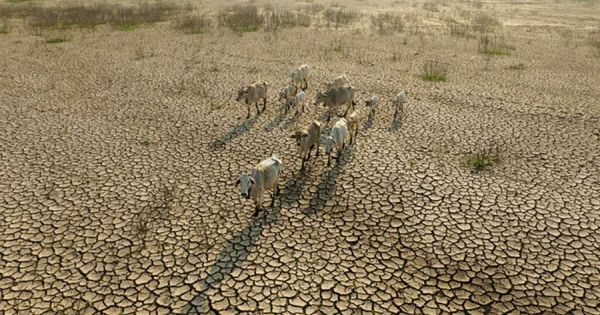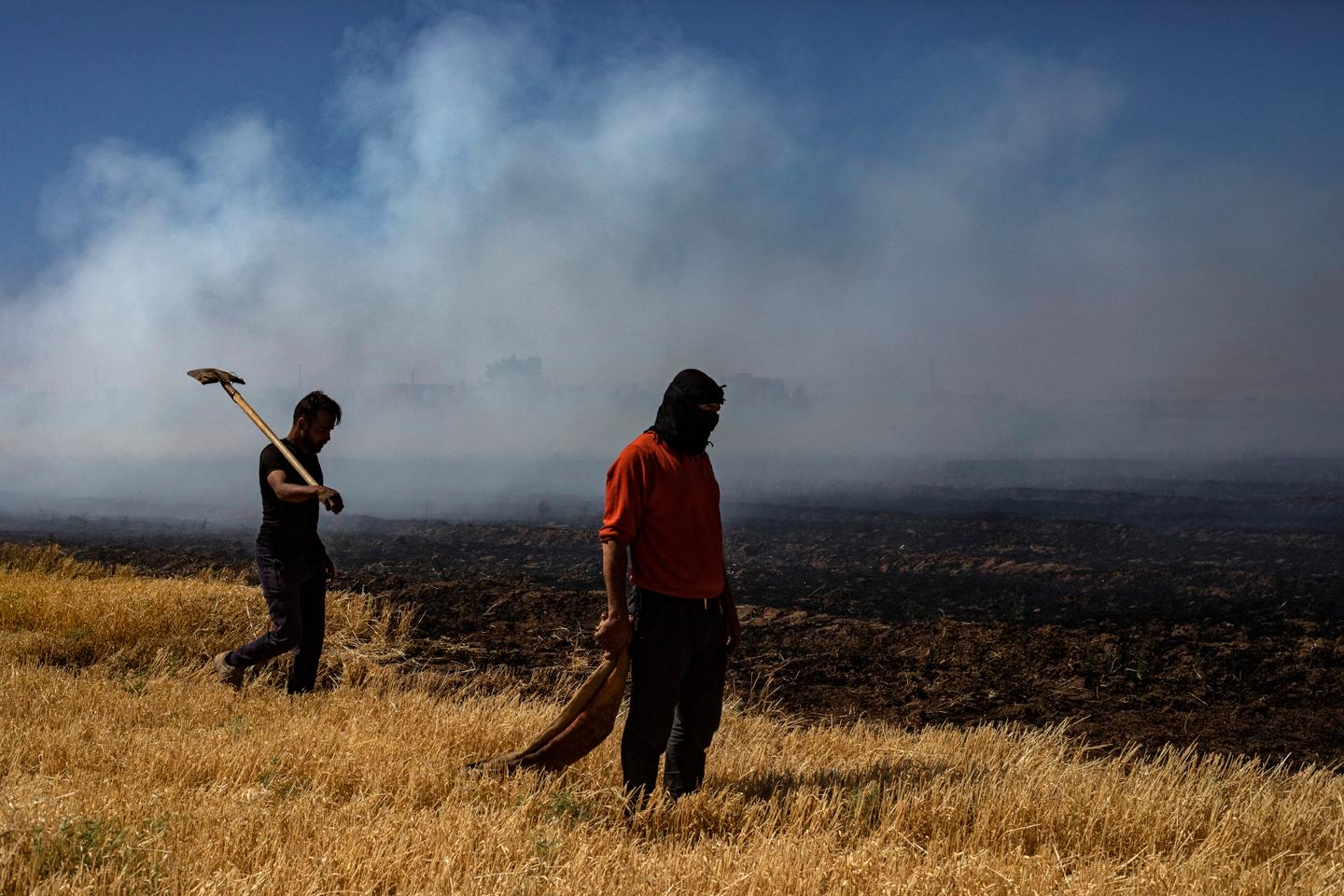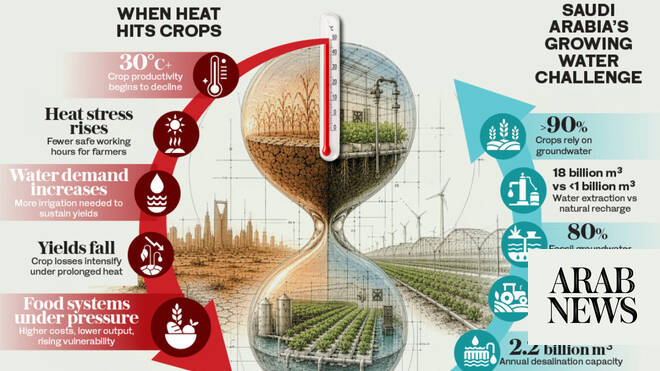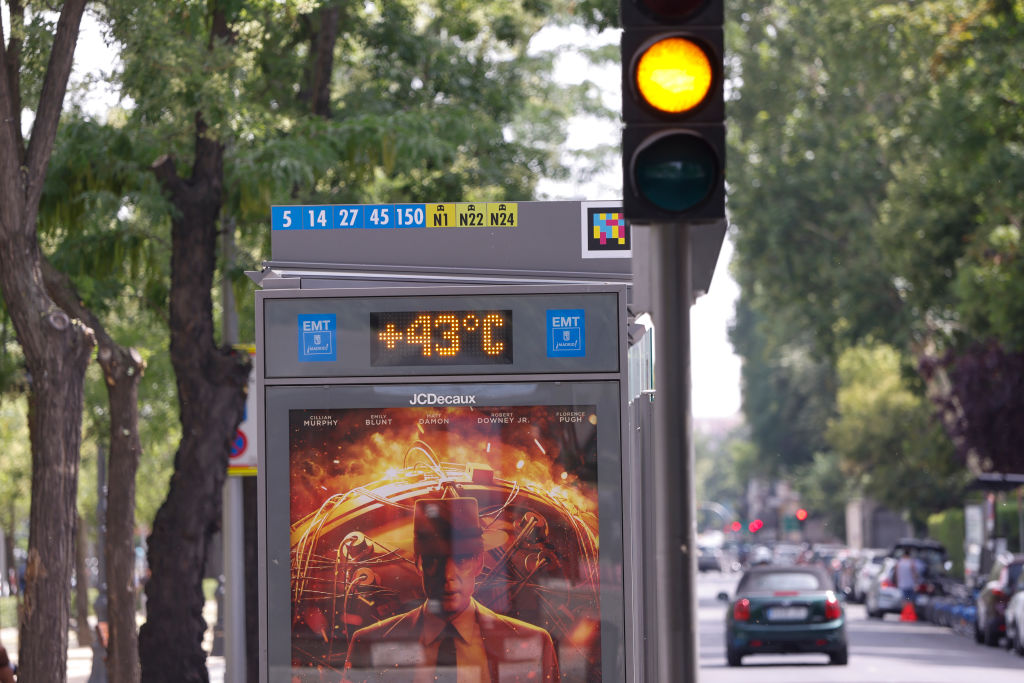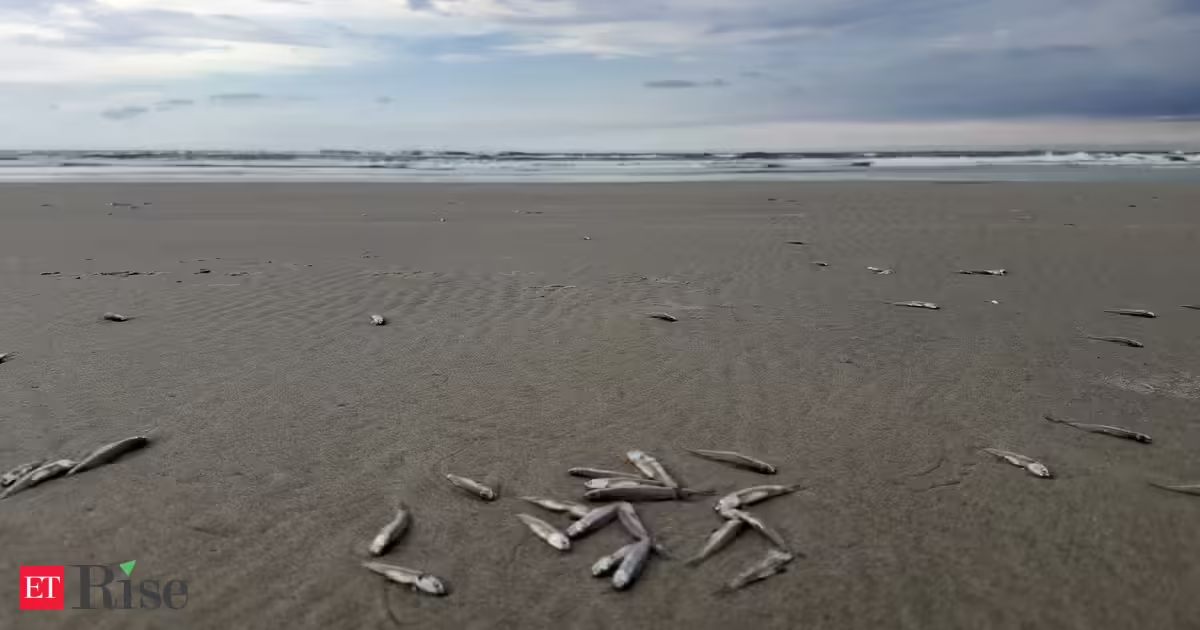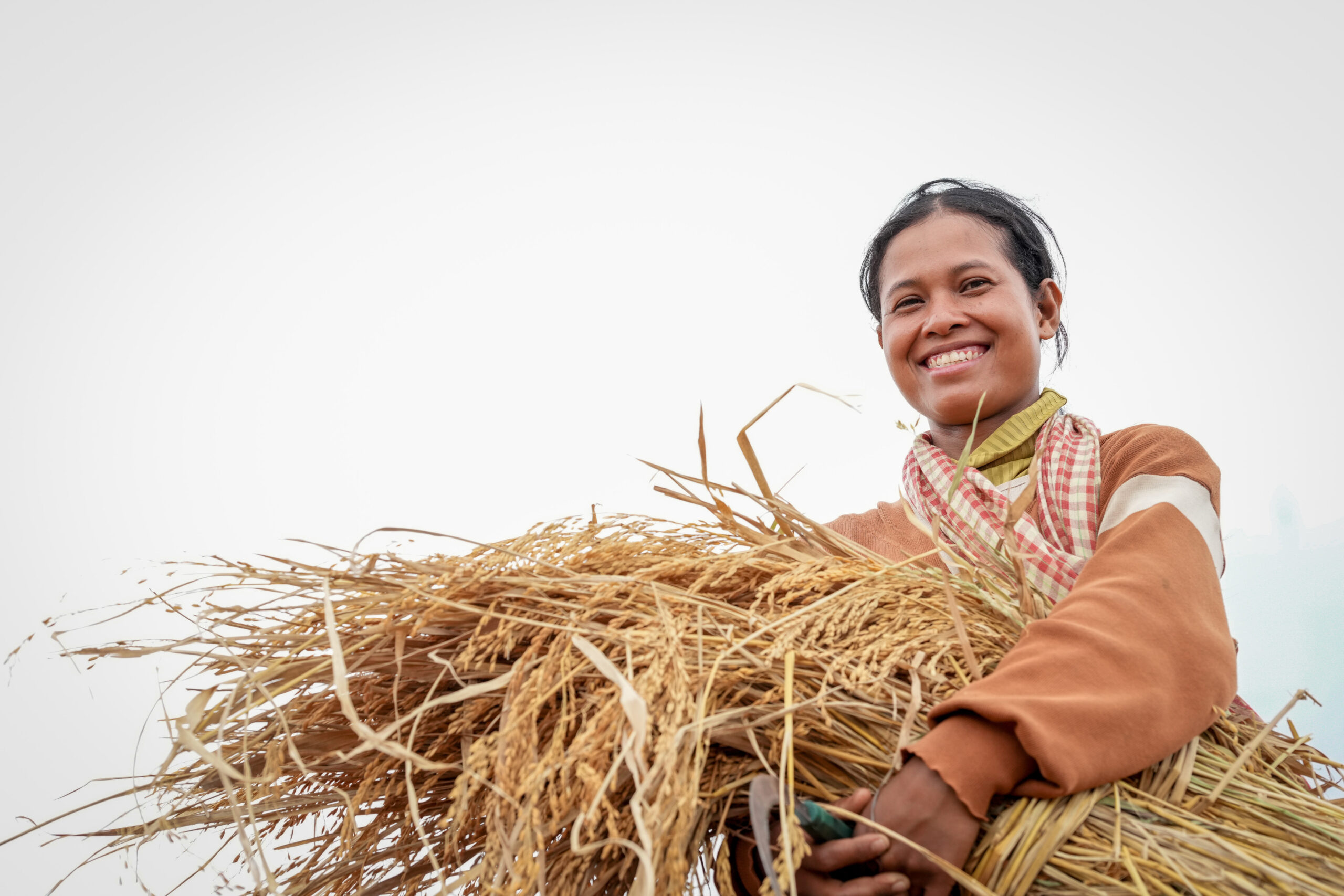
Kaveh Zahedi is the Assistant Director-General of the UN Food and Agriculture Organization (FAO) and Director of FAO’s Office of Climate Change, Biodiversity and Environment. Ko Barrett is the Deputy Secretary-General of the World Meteorological Organization (WMO).Every crop, every animal and every fish has a thermal limit, the point where additional heat stops being normal weather and starts doing damage. In food systems, that threshold arrives sooner than many people realise. For key agricultural species, the danger zone often sits between 25 and 35°C at the moments that matter most, such as flowering and reproduction. As climate change drives more days into the mid-40s°C in major breadbaskets, those limits are already being crossed. The result is lower yields, weaker livestock, stressed fisheries, higher fire risk and farmworkers – the backbone of the system – forced into unsafe conditions.A new joint FAO-WMO report, released on April 22, shows that extreme heat is already cutting production and exposing agricultural workers to dangerous conditions. One analysis found that beef cattle mortality reached as high as 24% in some documented heatwaves. Marine heatwaves were linked to an estimated $6.6 billion loss in fisheries production. And the outlook worsens as temperatures rise. For every 1°C of warming, maize and wheat yields are projected to drop 4–10%.US pressure puts World Bank’s climate plan at riskAdapting to a hotter world will take long-term investment in science, technology and infrastructure if food supplies are to keep pace with demand. We will need more heat-tolerant varieties and breeds, new farming practices, and we will need to make hard choices about what can still be grown as conditions change. But we also need a plan for next season, not just 2100.With more severe heat likely in the coming years and another El Niño poised to test unprepared systems, the priority is to move from crisis response to heat readiness. That starts with early warnings and practical measures to help farmers protect harvests, supply chains and their own safety.Heat warnings farmers can useWeather forecasts should give farmers time to act before extreme heat turns into loss. That is the strategy behind Early Warnings for All, the UN initiative coordinated by WMO with partners including FAO. But early warning only works when reliable observations, modelling and verification turn weather and climate data into forecasts farmers can actually use.Cambodia’s Green Climate Fund-funded PEARL project, supported by FAO, upgraded and installed new weather stations to feed a phone-based app that sends forecasts with crop- and region-specific guidance. When forecasts exceed 38°C, alerts recommend maintaining soil moisture with mulch, shading vegetables, delaying sowing rice seeds, and shifting irrigation to cooler hours.
Extreme heat is rewriting food security. The best fixes are already within reach
With more severe heat likely in the coming years and another El Niño poised to test unprepared systems, the priority is to move from crisis response to heat readiness
1,010 words~5 min read