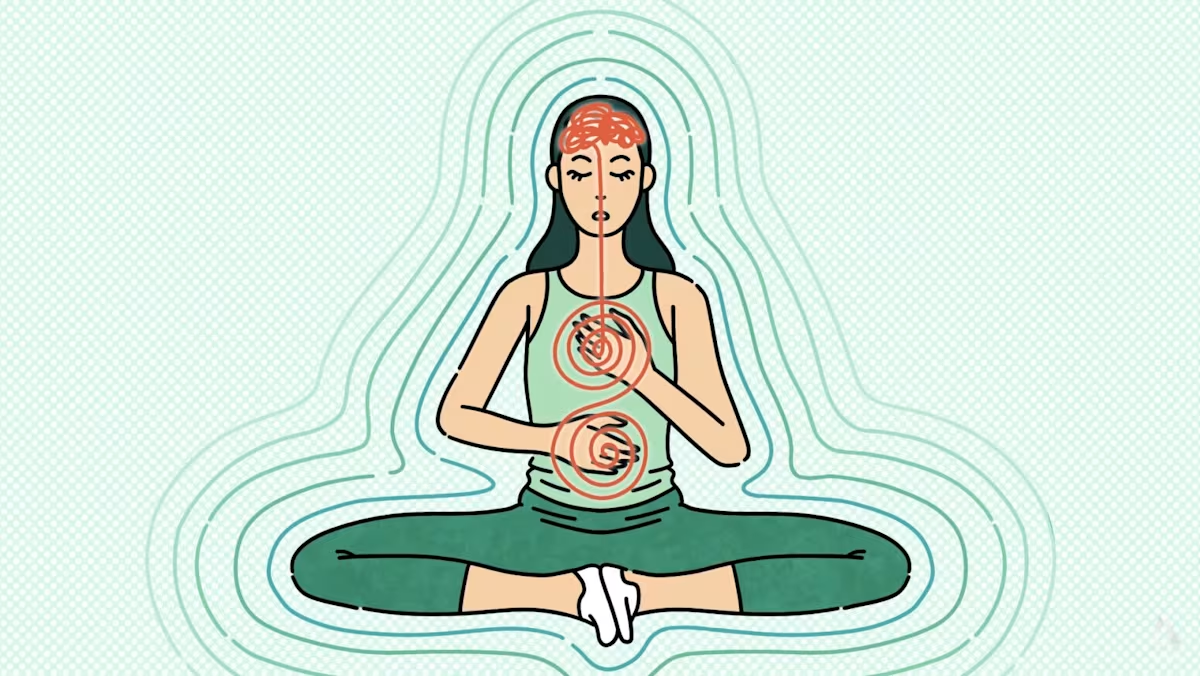
A tightening in the chest before a meeting, a persistent knot in the stomach after an argument with a loved one and a heart that palpitates when nothing is objectively threatening. Most of us would have experienced some, if not all, of these reactions and while they may just be a simple case of nerves, these are also common signs that our bodies are still carrying stress and trauma that needs to be addressed.Psychologists said that such reactions are a result of trauma being held not only in the mind but also in the body, with the body reacting instinctively to triggers. To work through this pain, the person may require somatic therapy, a body-based form of psychotherapy that examines and addresses how stress and trauma manifest physically. Most people are familiar with traditional talk therapy, but somatic therapy, while not new, has been gaining traction in recent years.
Books such as The Body Keeps the Score by Dutch-American psychiatrist Bessel van der Kolk have also helped bring renewed attention to this approach.Ms Estee Ling, a clinical mental health therapist, said: "Relational somatic therapy is rooted in the understanding that the body and mind are inseparable, and that our nervous system carries the imprint of everything we have lived through – especially experiences that overwhelmed our capacity to cope,."The co-founder and director of clinical operations at Sol Therapy added that at the core of somatic therapy is the recognition that the body does not simply "remember" but also continues to respond long after an event has passed.These responses can show up as chronic tension, chronic stress, burnout, shallow breathing, bracing, hypervigilance, numbness, collapse or a sense of being disconnected from oneself.The aim of somatic therapy, practitioners said, is to help people regulate their nervous system and re-learn what it feels like to be safe in their own body.From there, psychologists and therapists may move into talk therapy to work through the cognitive and emotional layers of the individuals' experience."When people feel safer in their own body, the nervous system becomes more flexible, creating natural space for reflection, emotional processing and insight," Ms Ling said.THE BODY KEEPS THE SCOREThink of trauma and one typically calls to mind a deeply distressing experience that happened in the past, but neurobiology shows that trauma can leave a lasting imprint – one that is lived and felt even in the present.Ms Diandra Andersen, a counsellor at New Leaf Counselling and Integrative Health, said that this imprint can result in ongoing stress and dysregulation of the nervous system. When the amygdala, which is the part of the brain responsible for emotional processing – particularly fear and anxiety – senses a threat, the body’s "fight, flight or freeze" response can take over.In those moments, the rational, thinking parts of the brain become less accessible, Ms Andersen said, adding that this is often a learned survival response.