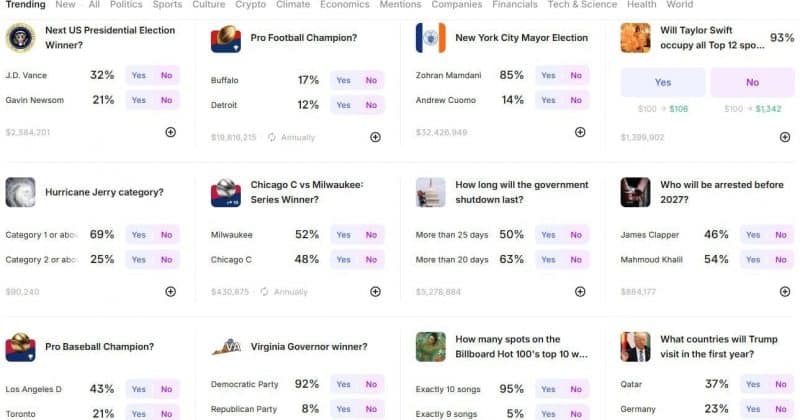
Chances the economy getting hit by stagflation, the bitter mix of high inflation and unemployment, have increased to nearly 40% from 11% in almost three months, according to Kalshi traders.
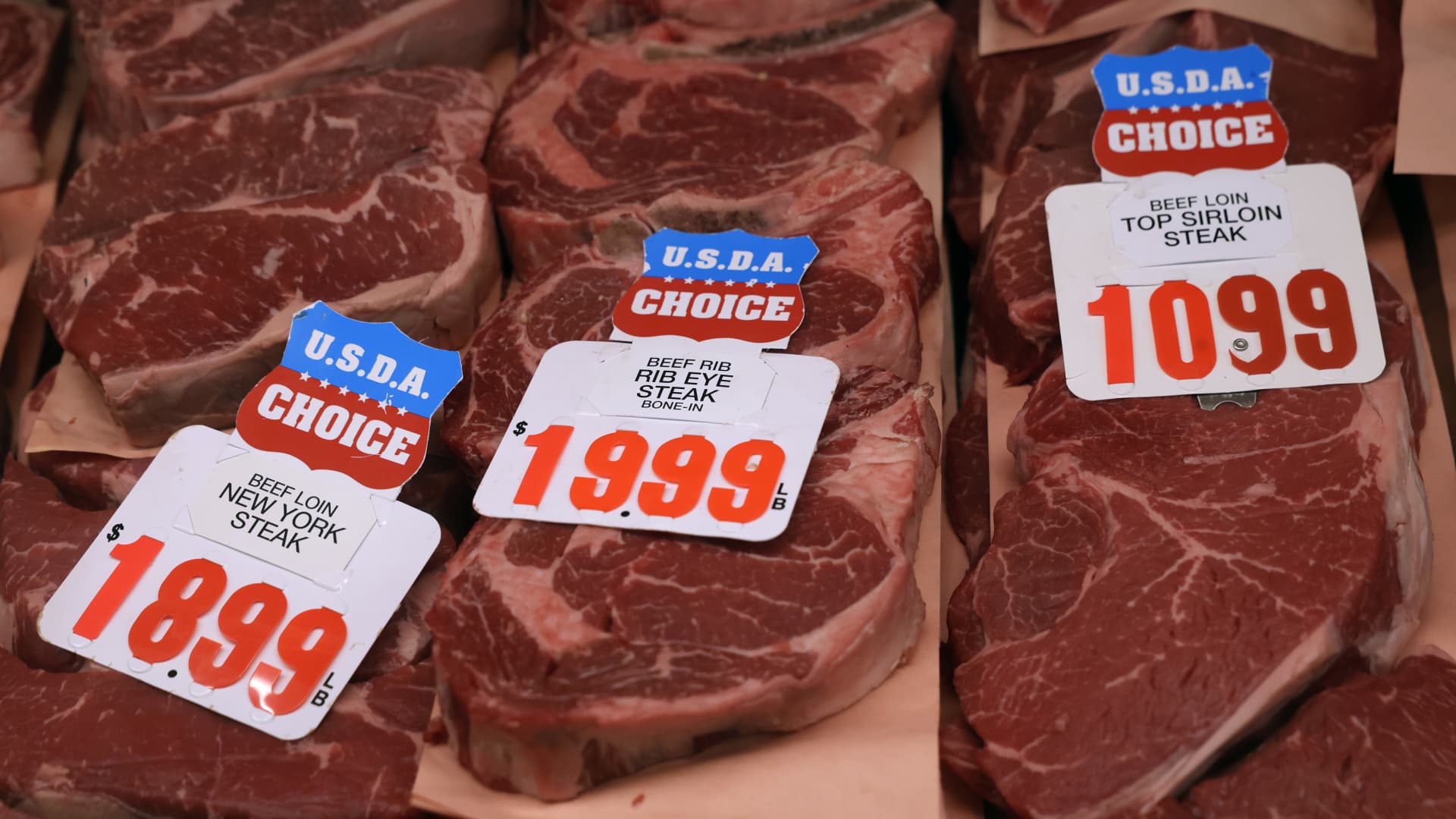
The pessimistic forecast for the end of this year comes after the Bureau of Labor Statistics said Tuesday the consumer price index reached 3.8% in April on a year-on-year basis — the most since May 2023. Wholesale prices also had their biggest annual increase since 2022 last month.
In a separate contract, Kalshi traders predicted a more than 65% chance inflation will be at least 4.5% this year, much higher than FactSet's consensus of 2.8%.
Oil supply shocks that led to distressing stagflation in the 1970s has been compared to the surging oil prices and inflation that the economy is seeing today.
"If there's a recession and inflation goes up, then there's a potential for a short period of stagflation — which means low, below potential growth rate and higher inflation — but not something close to what happened in the '70s and early '80s," said Eugenio Aleman, chief economist at financial firm Raymond James back in March.