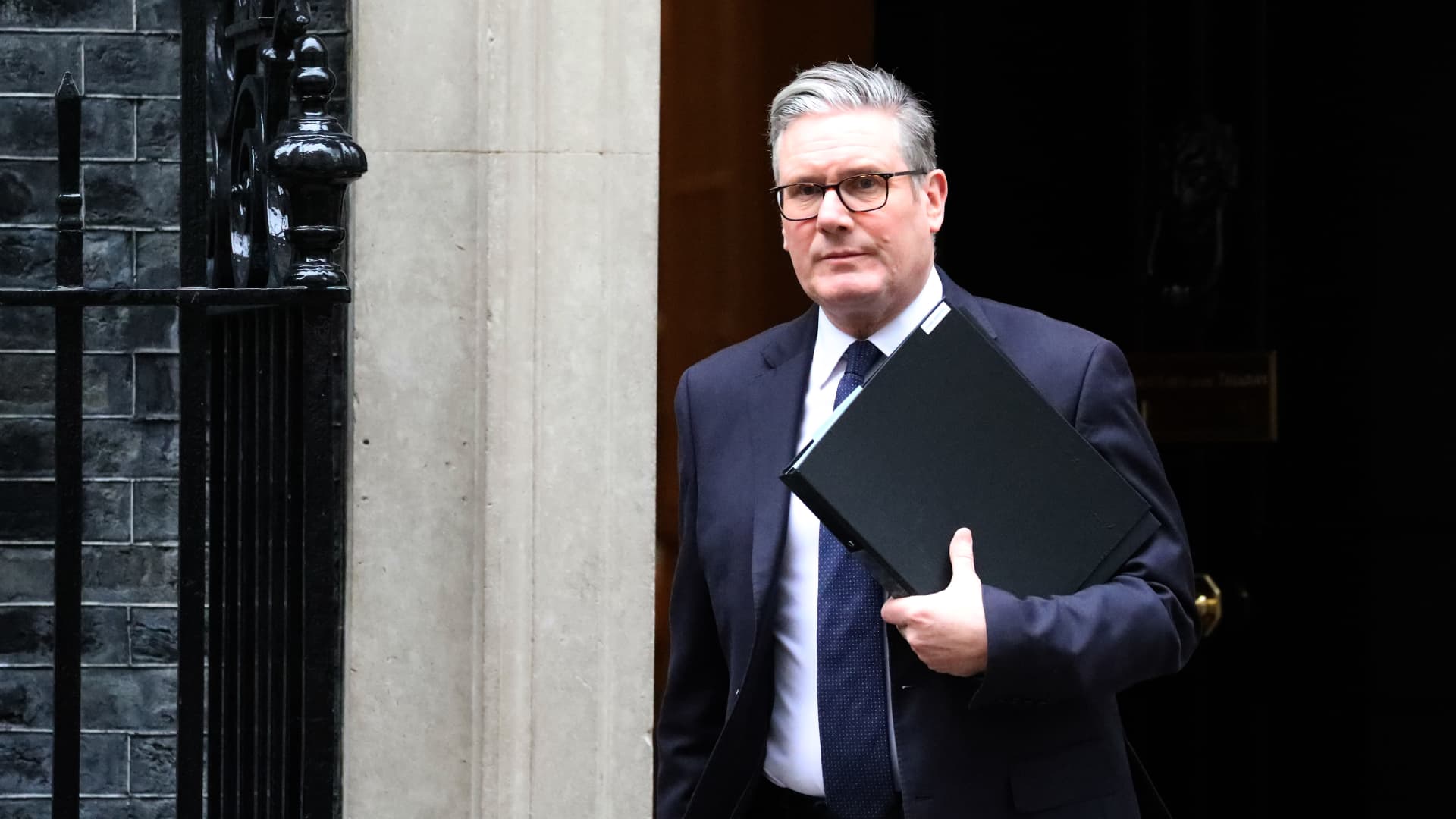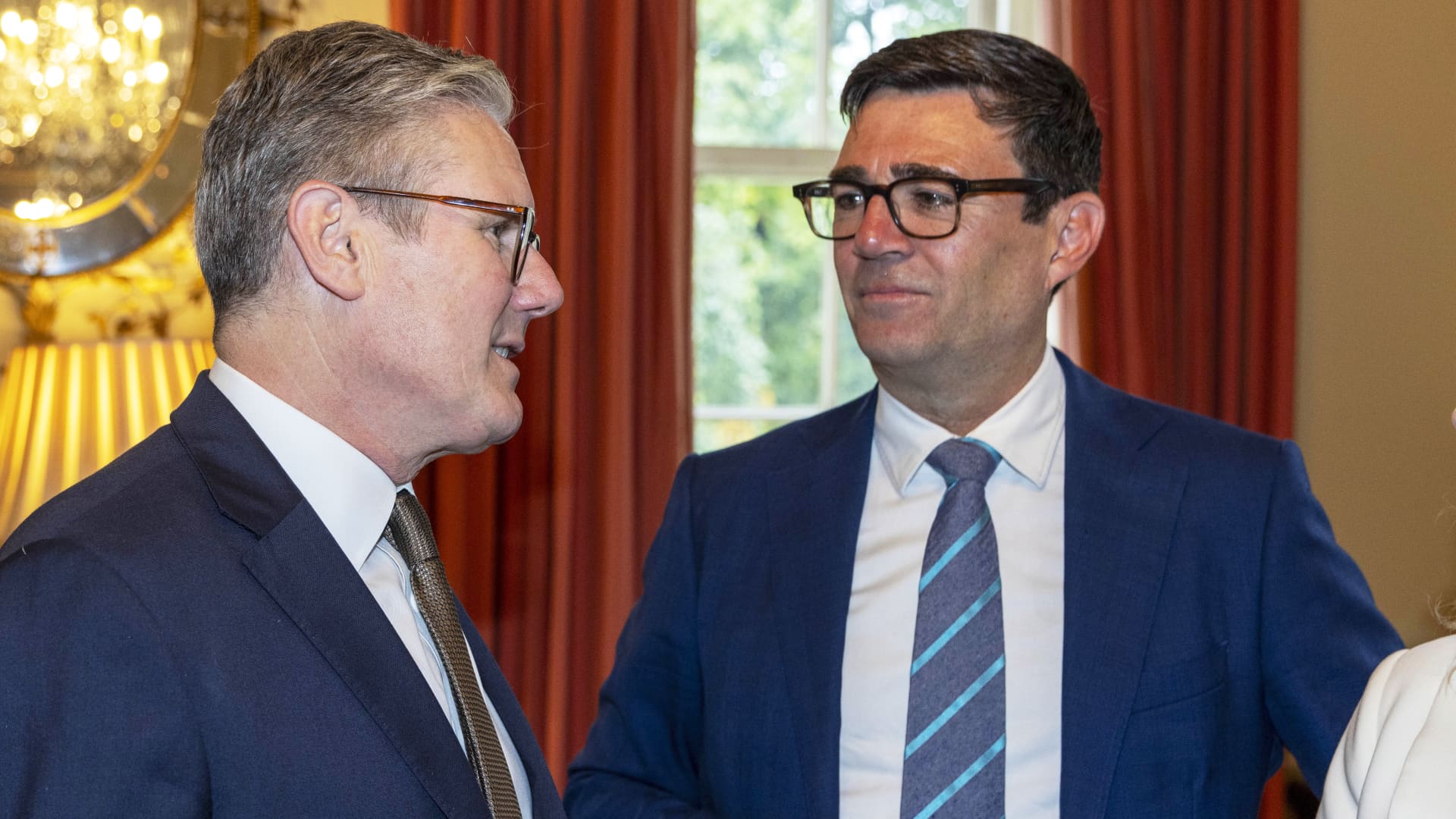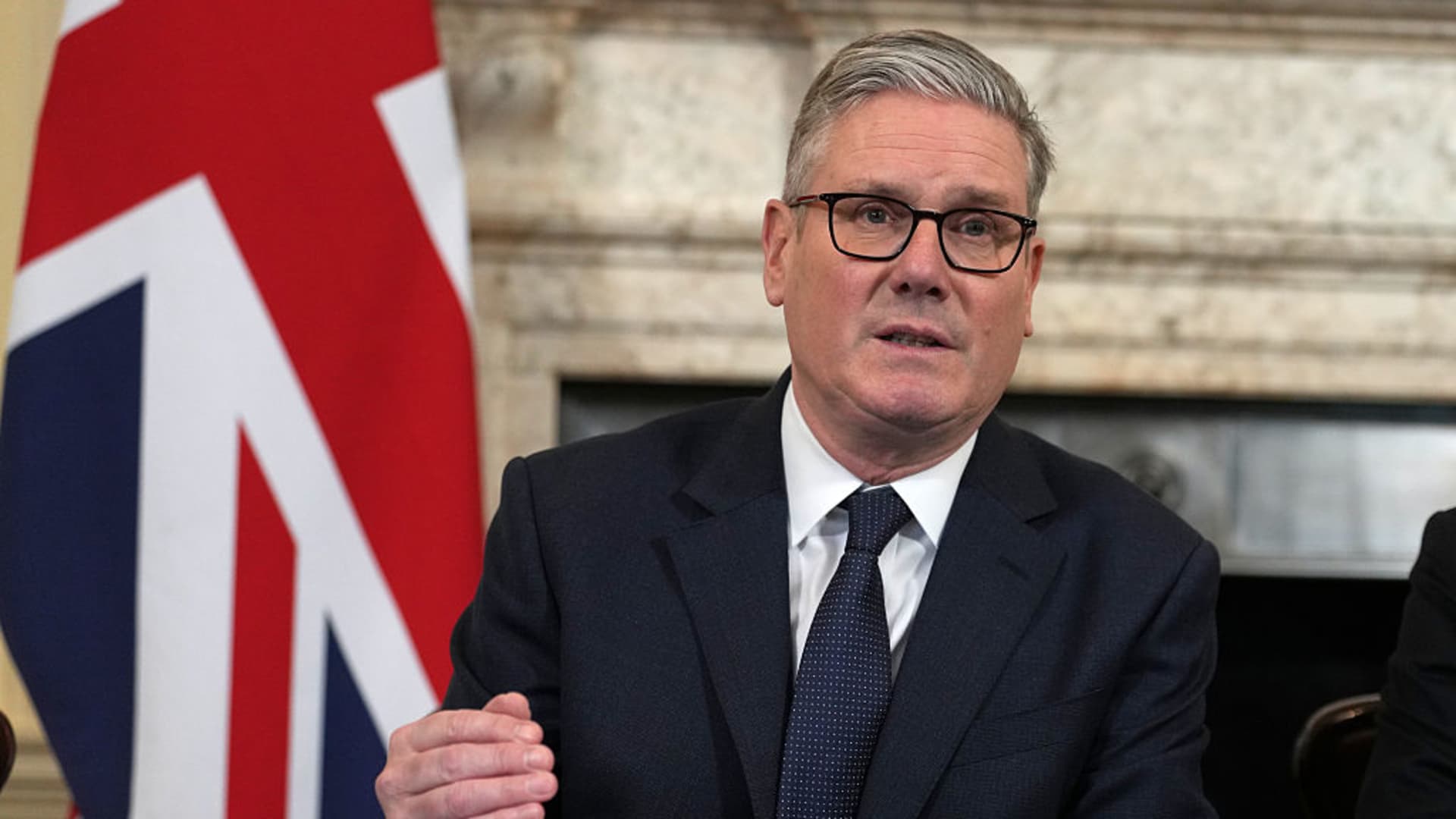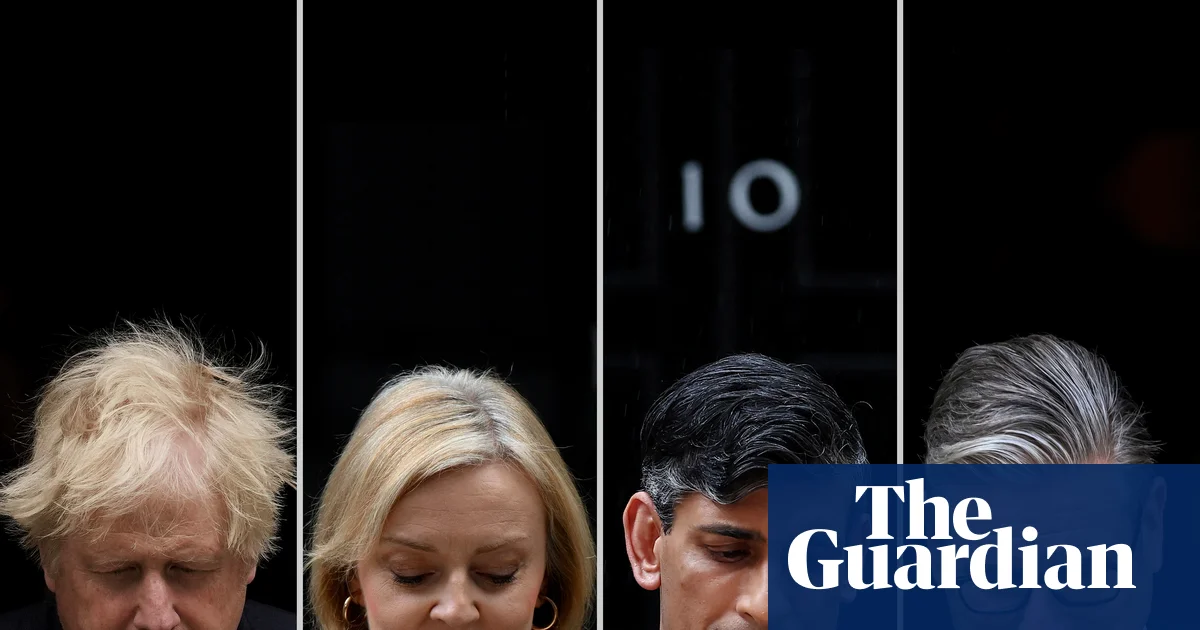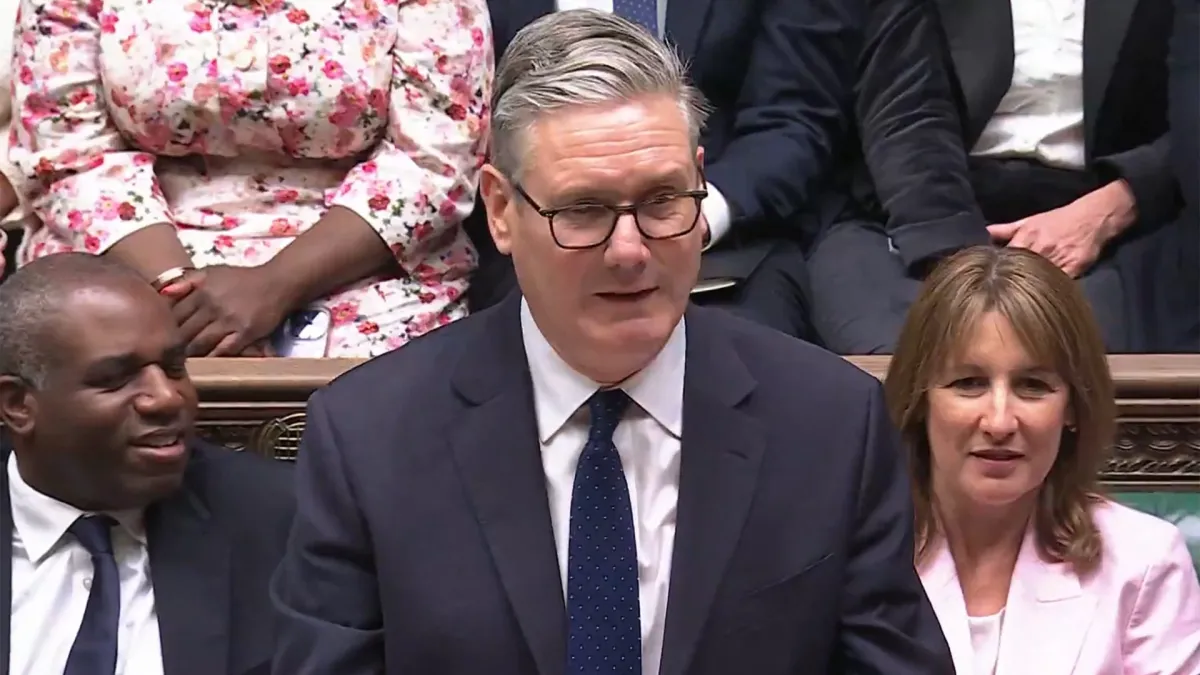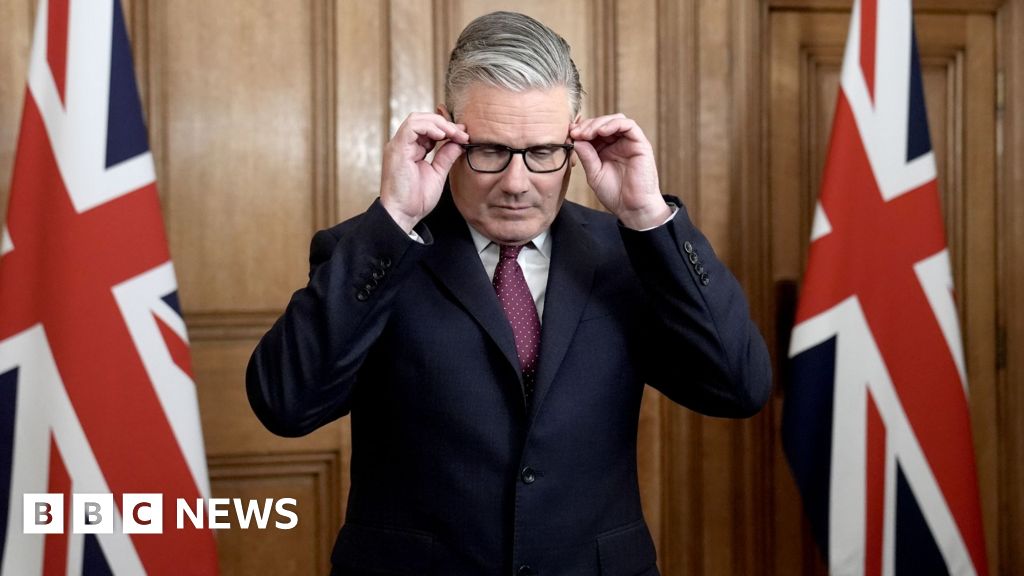
Keir Starmer’s hold on power in the UK is looking shaky, with the resignation of Wes Streeting from his cabinet the latest blow. But the spin from the prime minister’s supporters is that a full-scale leadership battle risks “plunging the country in chaos”.
Grabbing on to first quarter GDP figures showing steady 0.6 per cent growth – and a decent performance in March as the Gulf crisis hit – chancellor of the exchequer Rachel Reeves said that Britain was on the right track.
The growth figures were, indeed, ahead of expectations. But whoever is in power in the UK faces serious constraints from the market for government borrowing, where 10-year interest rates this week reached levels last seen in the run up to the 2008 financial crisis and longer-term 30-year rates hit highs not seen since 1998.
The gap between UK 10-year bond yields at 5-5.1 per cent and Irish yields circling 3.3 per cent is around record levels.
Pressure on borrowing markets frames the leadership battle and means that both Starmer and those seeking to replace him have to walk a narrow line, claiming that faster progress can be made in delivering for voters, while at the same time realising that those who lend money to the UK need to be kept onside.