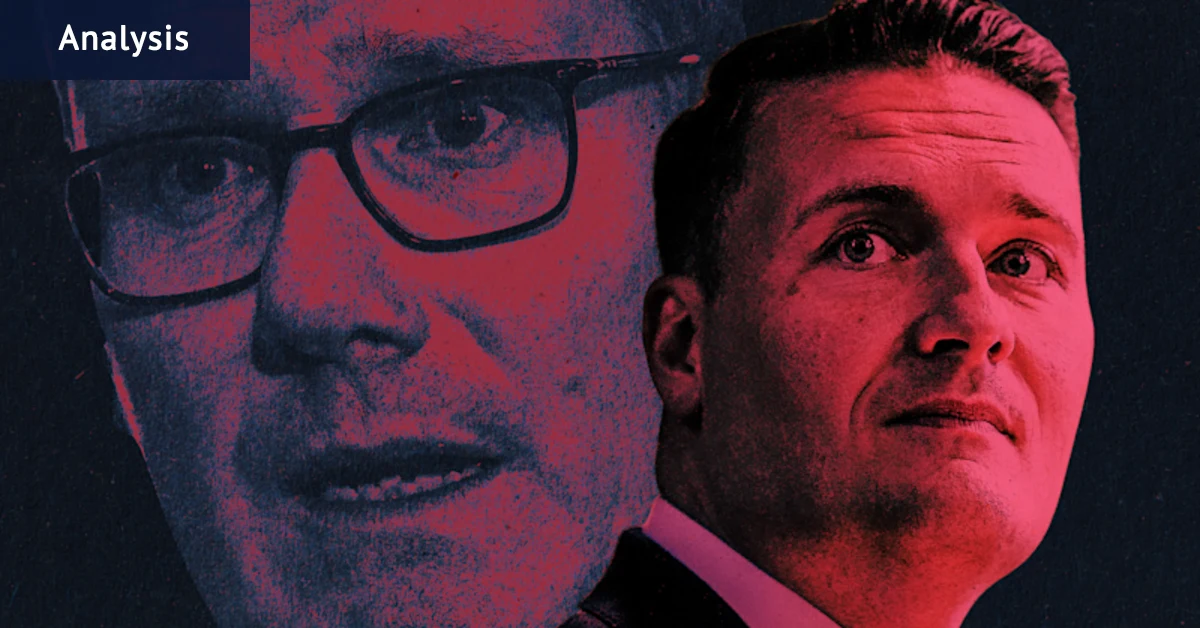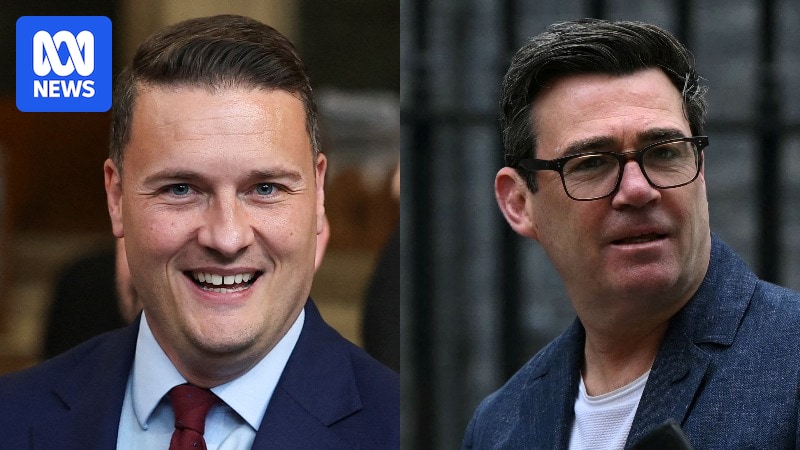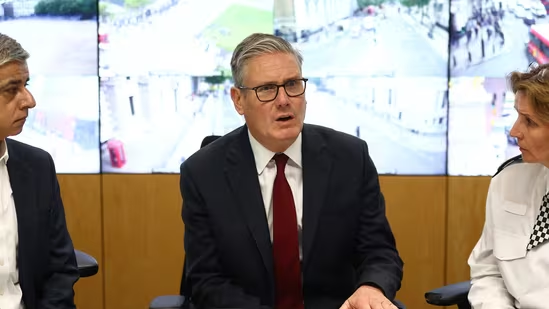
The prospect of a contest exposes a deeper truth: the party’s problems go far beyond Keir Starmer
I
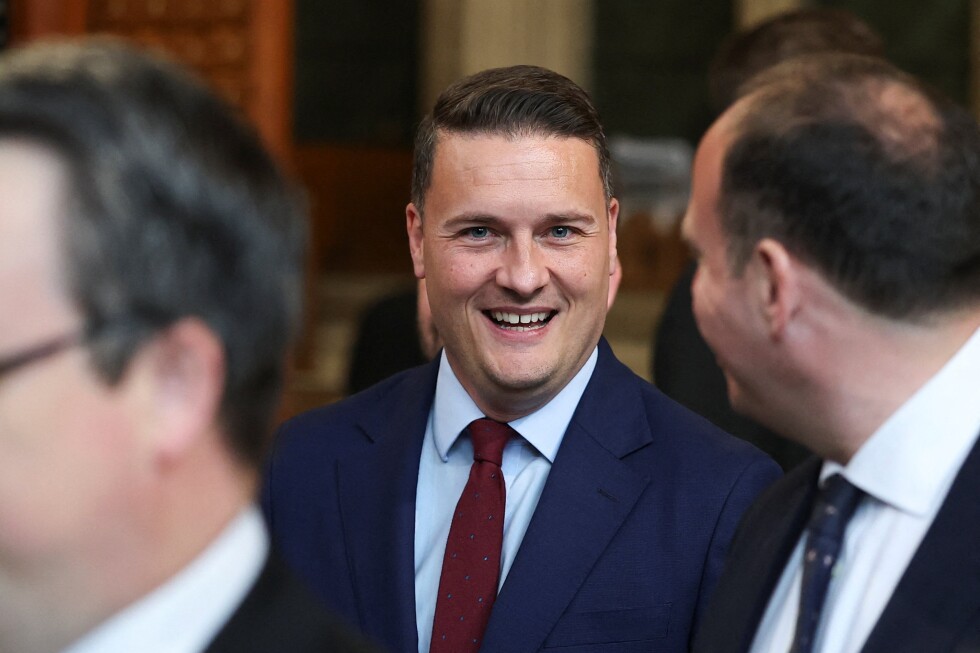
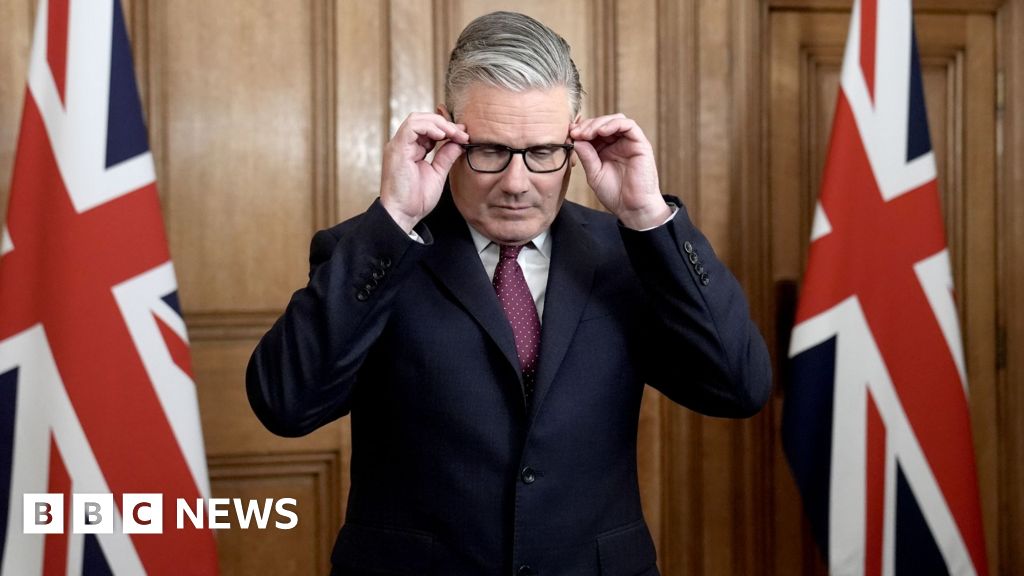
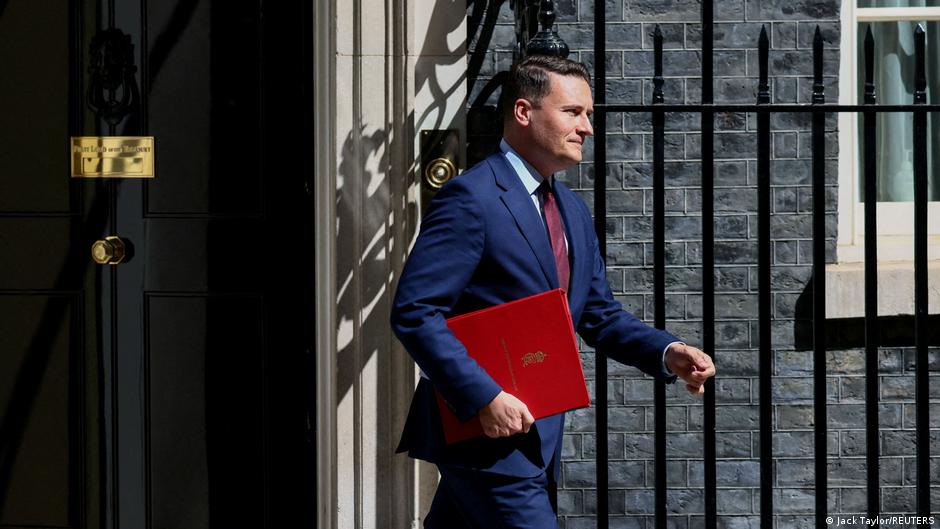
n politics, opportunities for supreme power are rare and fleeting. Yet rather than making challengers to Sir Keir Starmer more ruthless, this truth seems to have made them more cautious. The health secretary, Wes Streeting, resigned from the cabinet but did not launch a leadership bid. Rather than provoke a contest, Mr Streeting’s message to Sir Keir was that since his authority was gone, his duty was to depart and enable an orderly transition rather than cling to office.
If the Labour leadership were truly up for grabs, winning it would require opportunism, a feel for elite collapse and a willingness to defy both the party establishment and orthodoxy. Those who successfully seize the crown – Lloyd George, Harold Macmillan, Margaret Thatcher and Boris Johnson – recognise their moment and act decisively. These leaders were also not subject to the Labour party rulebook.
Sir Keir’s grip is loosening, but replacing a sitting Labour prime minister is institutionally and politically difficult. Not least because any successor would still need to unite large sections of the parliamentary party and trade union movement, as well as the activist base and wider membership. In the meantime, Britain faces a damaged prime minister, a fractured ruling party and no clear route out of a political crisis – just as another brutal cost-of-living squeeze takes hold.