SINGAPORE: A few months ago, a fellow journalist asked me: “Do you invest? Do you think you will be able to retire with a million dollars?”Thinking back on the mild heart-stopping fluctuations I'd seen in my portfolio amid tariff uncertainties, I replied that I wasn’t sure.He suggested I get some feedback from ChatGPT. Unfazed by the skeptical look I gave, he persisted. “Try feeding (it) your portfolio and see what it says.”I was intrigued, and later found out he wasn’t alone. A family member had asked the artificial intelligence chatbot for ideas to recalibrate her investments and save for her first home. And a colleague described stock picks that he got from ChatGPT as “quite solid”.
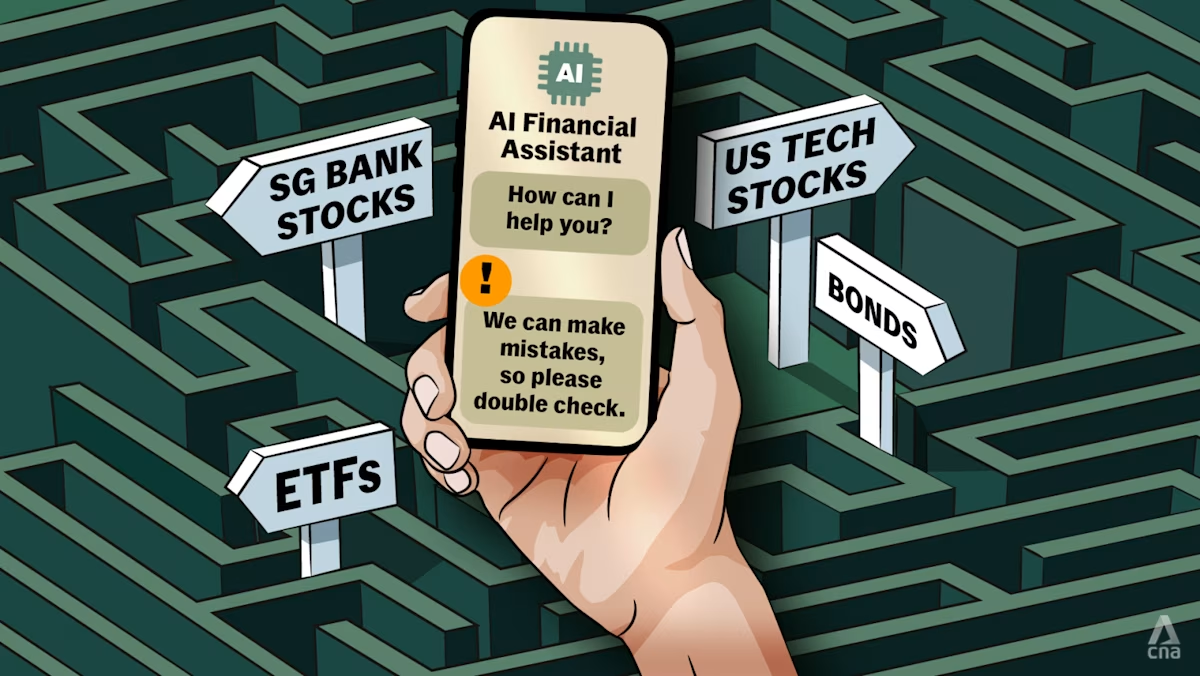
A quick online search then threw up a long list of articles, blogs and forum threads on people testing the generative AI assistant for investment bets, and their tips on writing better prompts for better responses.We already know ChatGPT and other chatbots can have human-like conversations and put together fancy presentation decks and holiday plans within seconds. But can we really rely on it for sound financial advice?KNOWLEDGE VS ASSURANCEGenerative AI is a branch of AI that enables machines to generate text, images, music and other content based on the data they were trained on.ChatGPT, launched by US-based OpenAI nearly three years ago, is the best known example and market leader of generative AI chatbots, amid the emergence of others such as Google’s Gemini and China’s DeepSeek.One of its strengths lies in sifting through vast amounts of data and calculations to quickly churn out research. Added to that is the ability to convey findings in a human-like manner, including asking follow-up questions.This can make the process feel like it's what a user needs, regardless of its accuracy, said Ms Chuin Ting Weber, chief executive officer of financial advisory MoneyOwl.Sales executive Clarin Florentyna used ChatGPT when she picked up investing about two years ago. The bot guided her through the basics, with accurate definitions of key terms such as the intrinsic value of a stock. When asked for investment advice, ChatGPT suggested setting aside an emergency fund of three to six months, as well as how much to put into bonds, equities and other assets, based on Ms Florentyna’s then monthly income and target returns.The presentation of such a breakdown made the advice feel more "personalised” than what’s available on finance websites, said the 28-year-old.