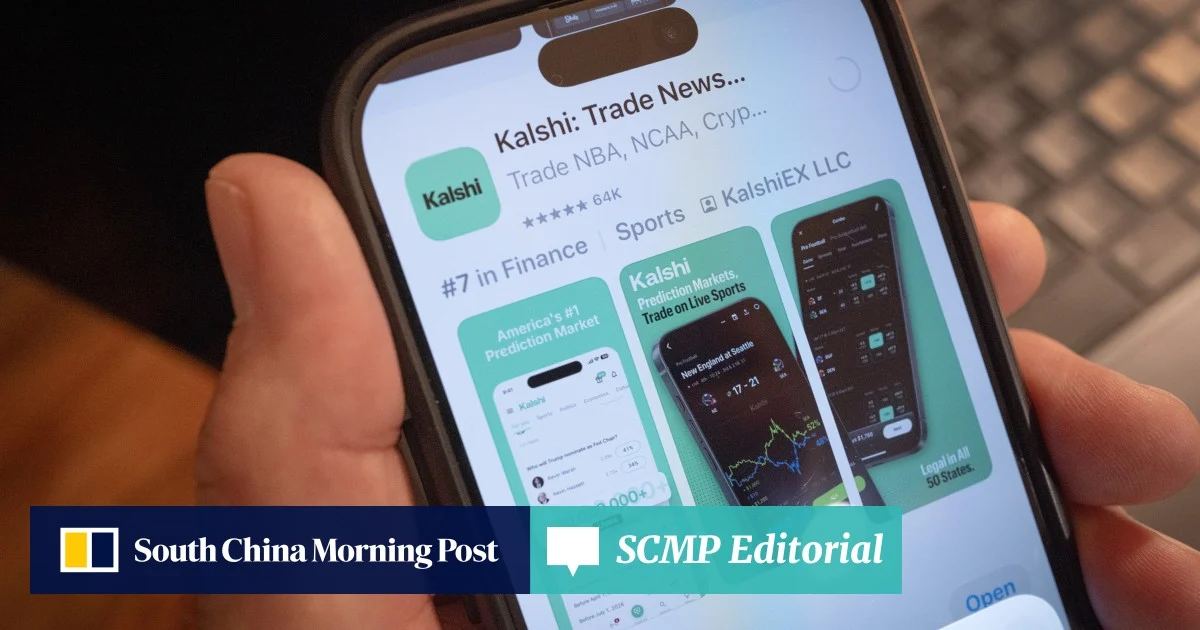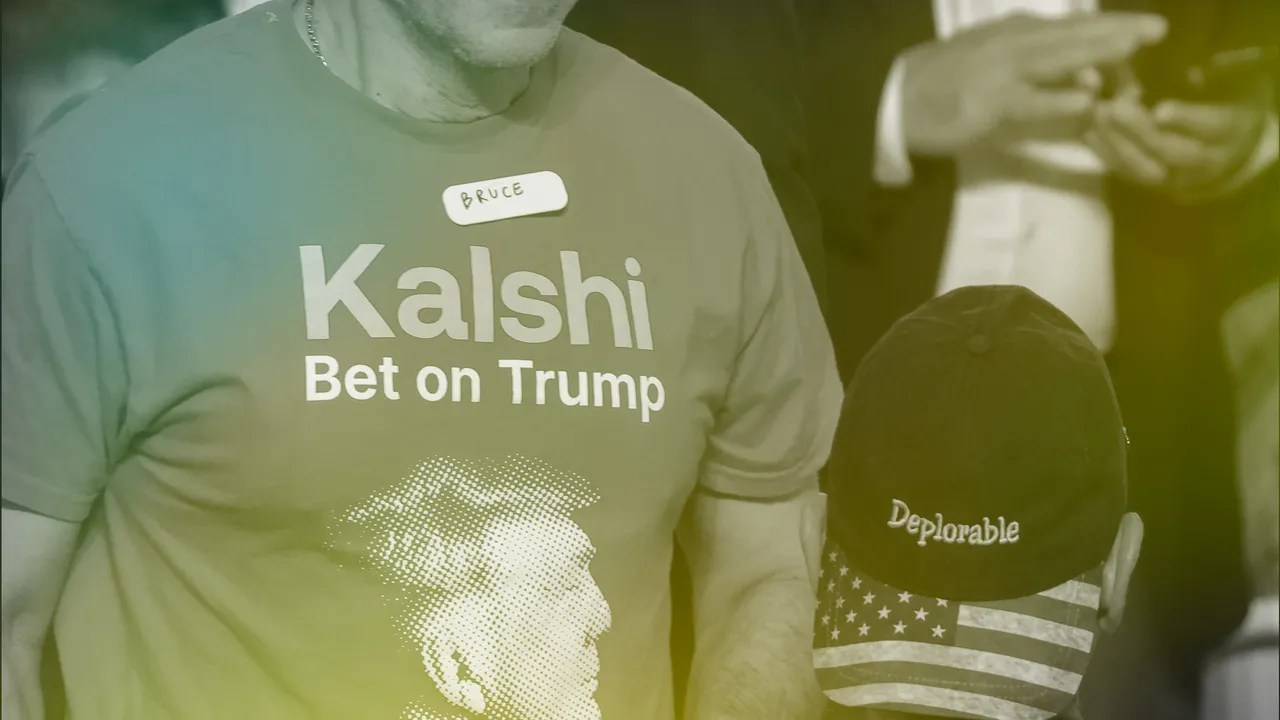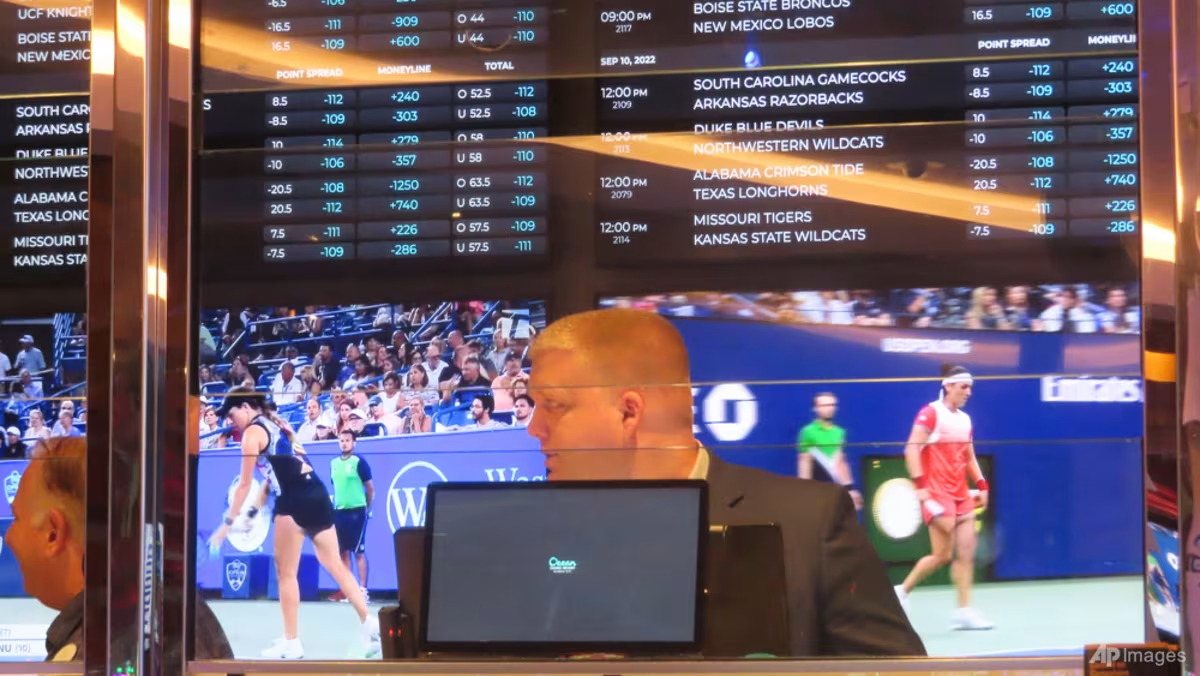
NEW DELHI: A multi-billion-dollar industry is thriving around a contemporary obsession with scientistic soothsaying. Prediction pays.Want odds on the prospect for Donald Trump to take military action against Cuba? Or the chances for success in the latest round of talks on Iran? No problem.The idea behind such markets is simple. Electronic platforms open markets on all manner of prospective issues, framing an eventual outcome in a binary yes-no fashion. If it happens, one share in that market pays its holder one dollar; if it does not, then nothing. As traders - basically anybody with a crypto account - join in and buy or sell, the price of a single share varies. Because of the set-up, at a given point of time it is read off as the probability the market assigns to that outcome at that moment.As an example, the “Khamenei out as Supreme Leader of Iran by March 31?” market assigned a 27 per cent probability to that outcome hours before Khamenei’s death in an Israel-US operation on Feb 28. The peak probability was 44.5 per cent on Jan 14, around the time Donald Trump asked Iranians to “keep protesting - [and] take over your institutions.”Much of the current criticism of platforms such as Polymarket and Kalshi, two major prediction market exchanges, stem from well-founded concerns that insiders stand to make a quick buck off their knowledge of sensitive secrets.Such understandable worries obscure a larger set of issues. As politicians openly flout their scepticism of experts, prediction market forecasts are alluring for their apparent transparency and the warranted “wisdom of crowds”. Some evangelists are professionals who see prediction markets adding value to intelligence tradecraft.At a time when security establishments around the world find themselves struggling to offer their consumers direct, apparently uncluttered forecasts, the pull of market-based mechanisms that dramatically simplify complex contingencies into single numbers is clear.Whether it is sensible to give in to this siren call is a different question altogether.
Commentary: The odds racket in prediction markets
Intelligence agencies should be wary of fortune-tellers with a probability sign out front, says this analyst.
1,745 words~8 min read