Financial markets have long influenced perceptions, but prediction markets can prematurely create a permission structure for possible events in the future, according to economist Kyla Scanlon.
In a recent New York Times op-ed, she pointed to a dynamic that trading legend George Soros once observed, namely that market expectations help shape reality, not just predict what’s ahead.
But traders of stocks, bonds, currencies, and commodities are reacting to events and making forecasts based on that. What’s different about prediction markets is they can give the appearance of consensus for something that hasn’t happened yet, Scanlon warned.
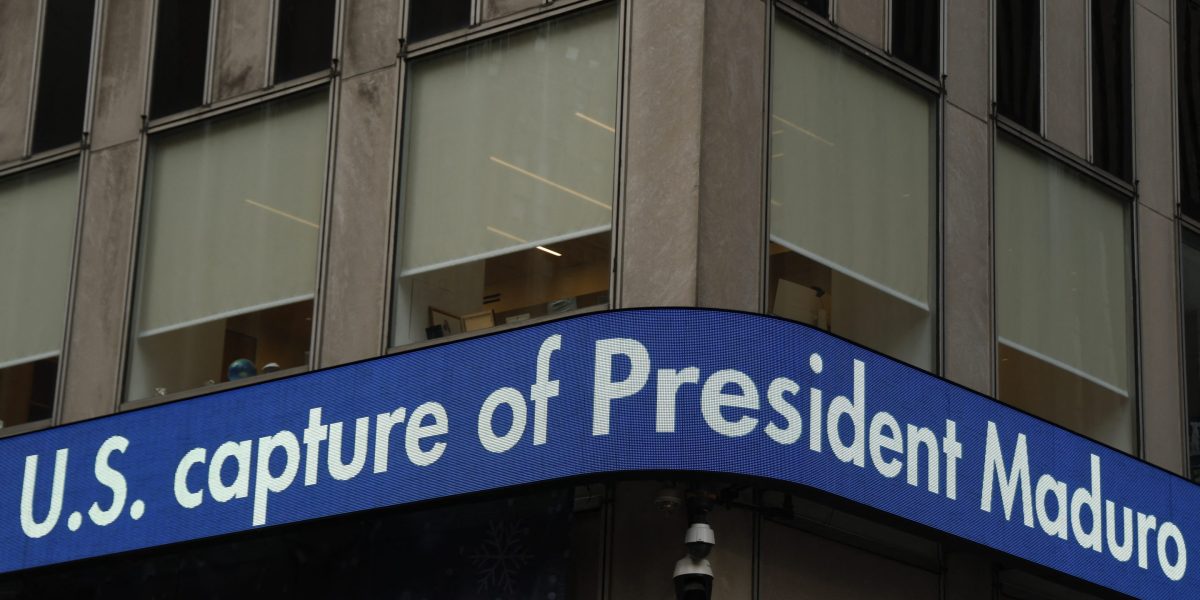
“The uncomfortable truth is that prediction machines have become infrastructure for the legitimacy of event outcomes, no matter how outlandish: When markets process political events before democratic institutions like Congress can deliberate, market outcomes are treated as validation and permission for political actions,” she explained.
Scanlon, who has been dubbed Gen Z’s favorite economic commentator and authored the book In This Economy? How Money & Markets Really Work, added the speed with which prediction markets price events is another concern.