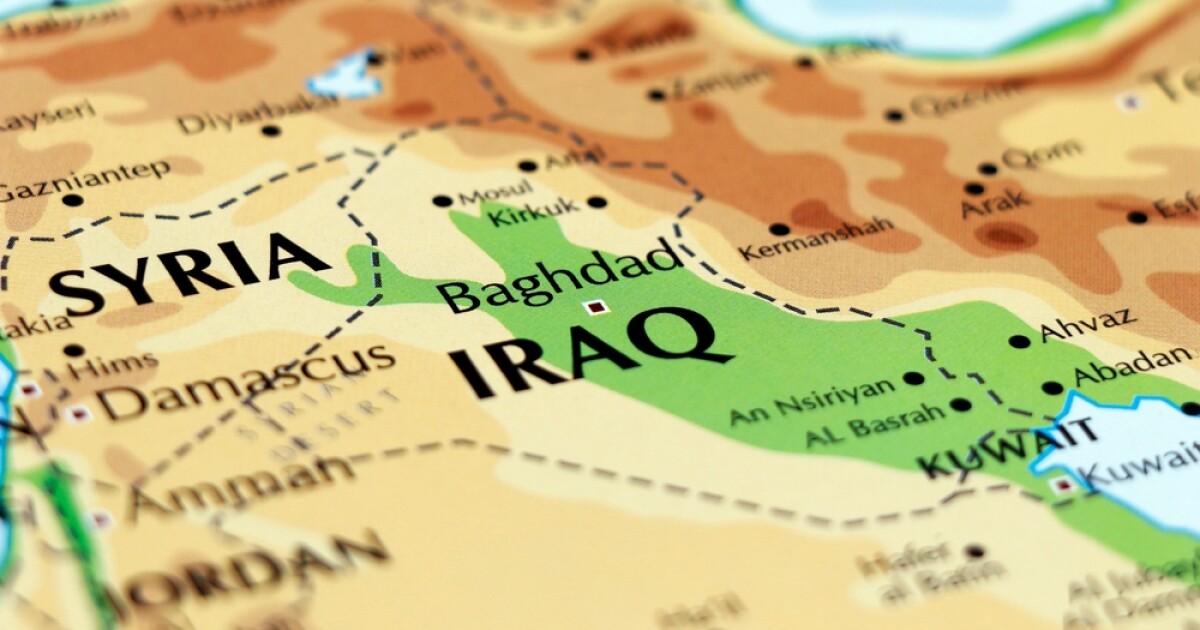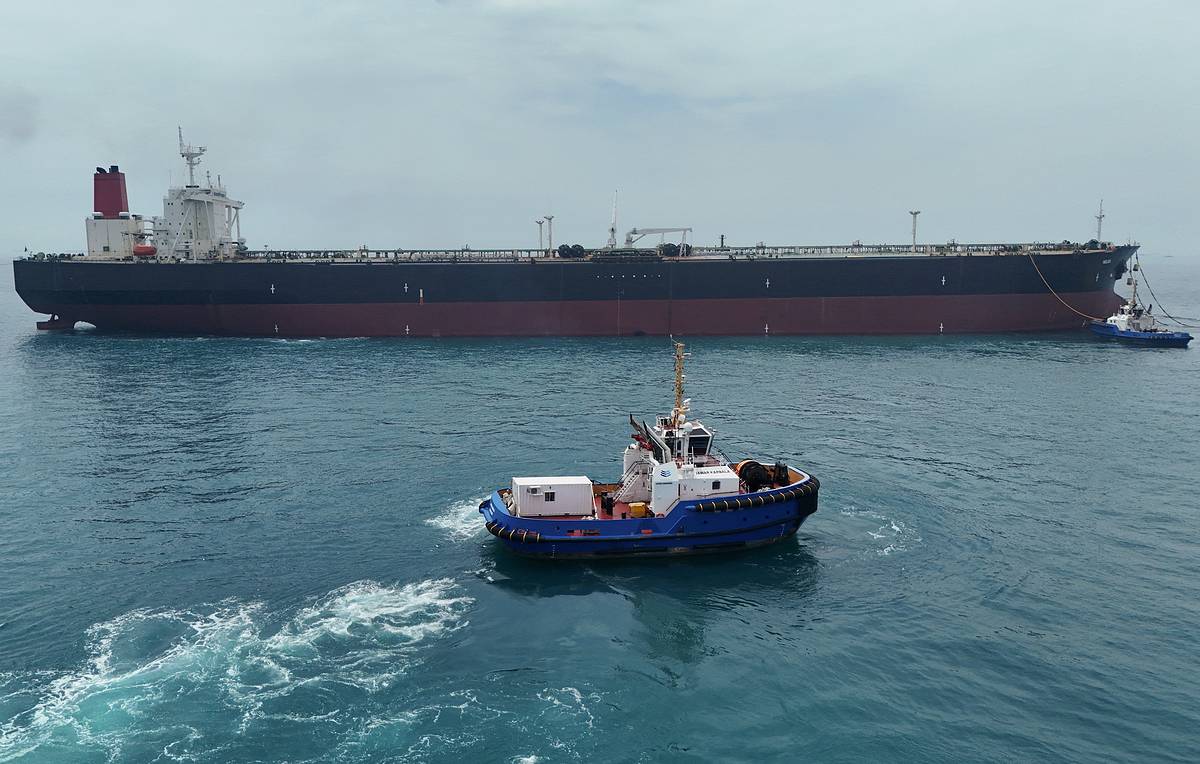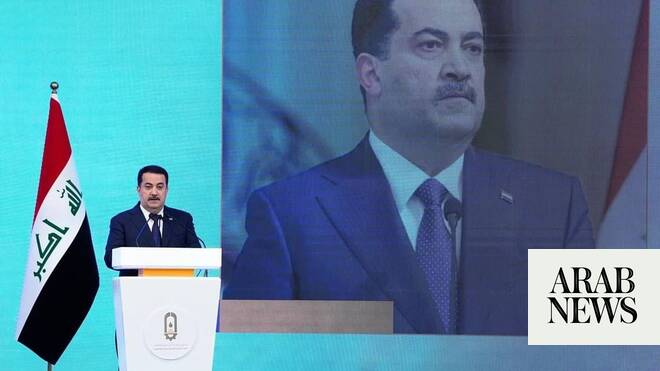
Every major hydrocarbon producer today competes not just on production, but on how effectively it markets, moves and monetizes its barrels. That capability is tested most clearly under disruption, when the ability to coordinate exports, domestic supply and logistics in real time determines whether output can be sustained and value preserved. For Iraq, recent events have exposed a deeper constraint: not of resource or infrastructure alone, but of institutional design. The country needs an integrated system capable of managing it.
In the decade following the 1972 nationalization of the Iraq Petroleum Co., the Iraq National Oil Co. (INOC) operated as a genuinely integrated commercial entity — managing production, marketing, transportation and export within a unified mandate. Between 1972 and 1979, output rose from 1.4 million barrels per day to over 3.5 million b/d, and discovery rates matched anything achieved elsewhere in the world at the time. It was, by any measure, a functioning national oil system.
In 1987, Decree 267 dissolved that structure. The INOC was absorbed into the Ministry of Oil, its commercial authority dispersed across a growing number of separate entities, and a unified mandate was replaced by fragmented bureaucracy. Iraq has not recovered from that institutional decision. The State Organization for Marketing of Oil — Somo — was formally reconstituted in its current form in 1998, but as a marketing body, not a trading one. The question of whether to restore anything close to that earlier integrated authority has been contested ever since.