https://arab.news/4jugm
Iraq, long characterized as a theater of regional and international competition, is rapidly evolving into a strategic epicenter for Western policy in the Middle East. The current administration in Baghdad is asserting a form of conditional sovereignty, balancing complex relationships with regional powers while simultaneously deepening security and economic ties with the US, China, and European partners.
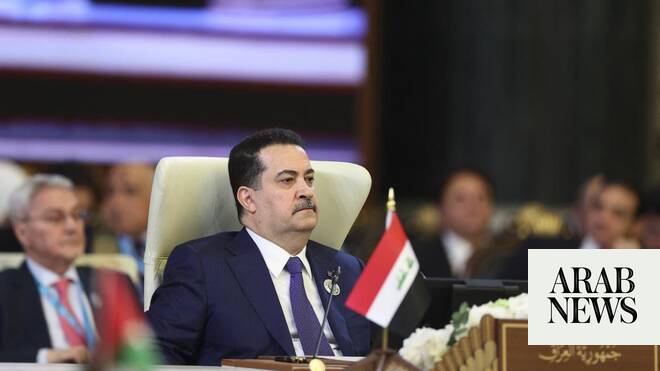
This reorientation is not incidental but the product of deliberate statecraft, economic necessity, and a recalculated foreign alignment under Prime Minister Mohammed Shia Al-Sudani, who was ranked by CEOWorld magazine this year as one of the “Most Powerful Political Leaders Shaping the World.”
With a population exceeding 40 million and proven oil reserves of more than 140 billion barrels, Iraq’s demographic and economic significance is substantial. Yet its actual strategic value extends beyond hydrocarbons. It lies in the nation’s potential to anchor a more stable regional order, provided it can successfully navigate its own internal contradictions and external pressures.
For now, Al-Sudani’s government in Baghdad has achieved measurable gains in efforts to stabilize the nation’s security environment. Attacks by extremist groups have plummeted to a mere five documented incidents this year, a figure that belies the complex and persistent threat posed by Iran-backed militias that operate with significant autonomy.