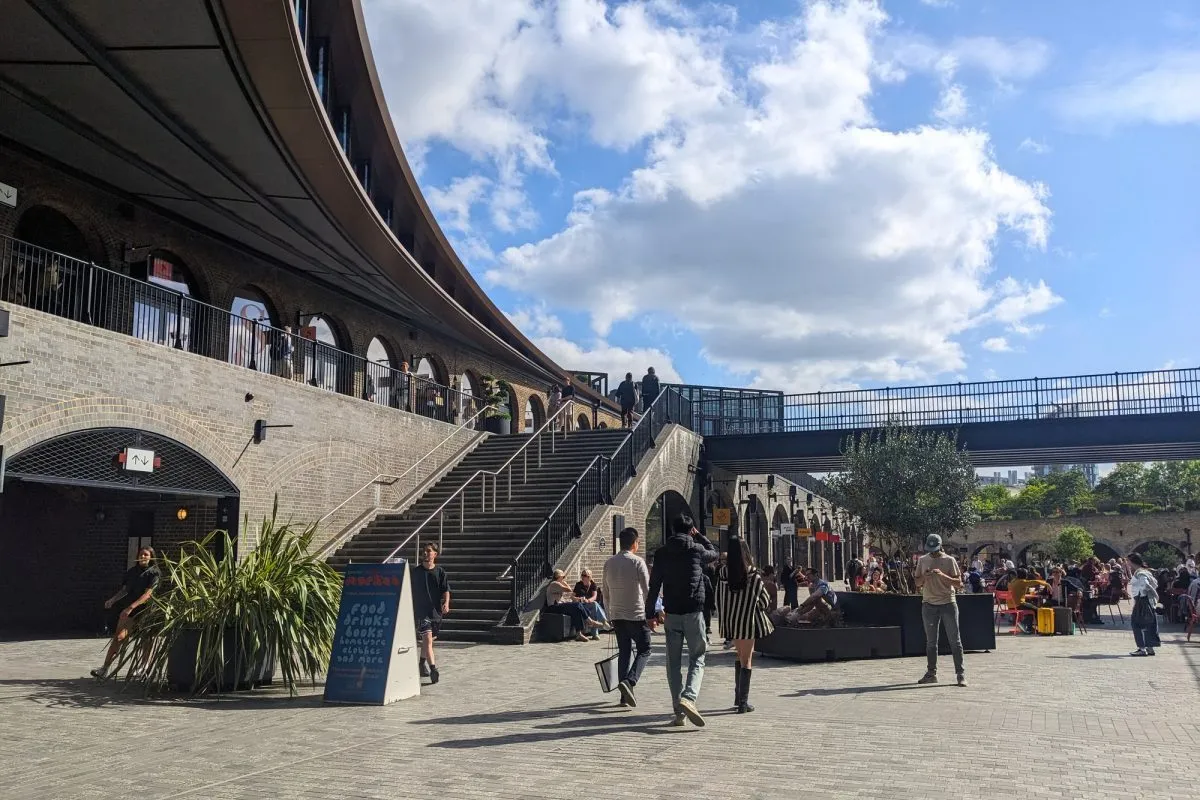
Harvard Business Review LogoPaul WearingJPMorgan Chase’s new multibillion-dollar New York headquarters at 270 Park Avenue rises nearly 1,400 feet and occupies an entire city block. It’s organized around a large public plaza with restaurants, retail outlets, and green space. The new headquarters of Pfizer and of BlackRock in Hudson Yards—two sculptural towers—sit atop a dense mix of transit, retail, and public space. One Vanderbilt, another supertall multibillion-dollar tower, is connected to Grand Central Terminal and creates a vertical neighborhood of restaurants, lounges, terraces, and meeting suites. Across the Atlantic, Google, Meta, and Universal Music have turned former rail yards near King’s Cross in London into a thriving hub for technology, media, and creative firms.A version of this article appeared in the May–June 2026 issue of Harvard Business Review.
The Rise of the Urban Knowledge Campus
Corporate headquarters aren’t vanishing; they’re being rebuilt as vehicles for collaboration, innovation, and talent attraction. Traditional office districts impose heavy costs through long commutes and fragmented daily logistics. But knowledge campuses support the full rhythm of daily life—work, meetings, learning, socializing, and movement—within a single, highly connected place. Linked to major transportation hubs, they cut down on commuting time and improve workers’ productivity and overall life satisfaction. In this article the authors explain how and why place has become a key factor in talent attraction and productivity. They outline the four key elements of the knowledge campus. And they lay out the principles that business leaders can use to think more deliberately about location—not as a real estate cost or as a marker of status but as a driver of competitive advantage.