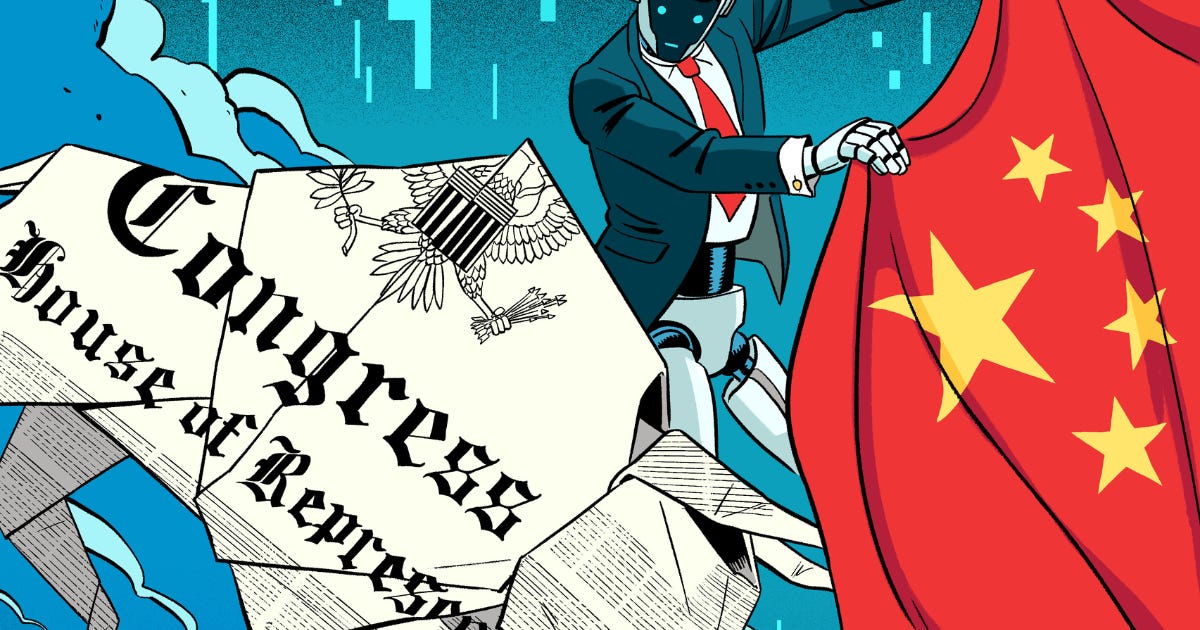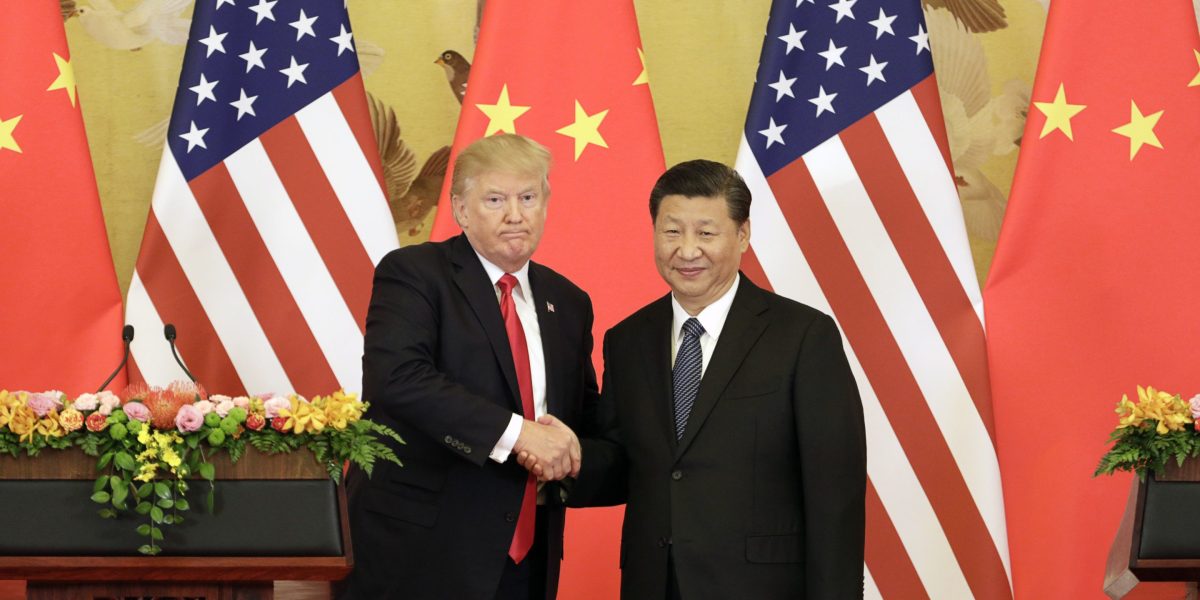
We all know that something changed in America in 2016, even if we’re still struggling to sort out what happens next. President Donald Trump broke through the “blue wall” of Pennsylvania, Wisconsin and Michigan as rust-belt voters agreed with his campaign messaging that they’d been “ripped off” and “taken advantage of” and the system had been rigged against them. Decades of promises from politicians in both parties who negotiated free-trade deals hadn’t panned out, and groundbreaking work from economists David Autor, David Dorn, and Gordon Hanson gave the era a name: “the China shock.”
Even JPMorgan CEO Jamie Dimon recently admitted, in an onstage appearance with Anthropic CEO Dario Amodei, that the government’s post-NAFTA promise to reskill manufacturing workers “didn’t work,” saying “it wasn’t set up right.” But Dimon expressed optimism that government and business can work together better this time, somehow.
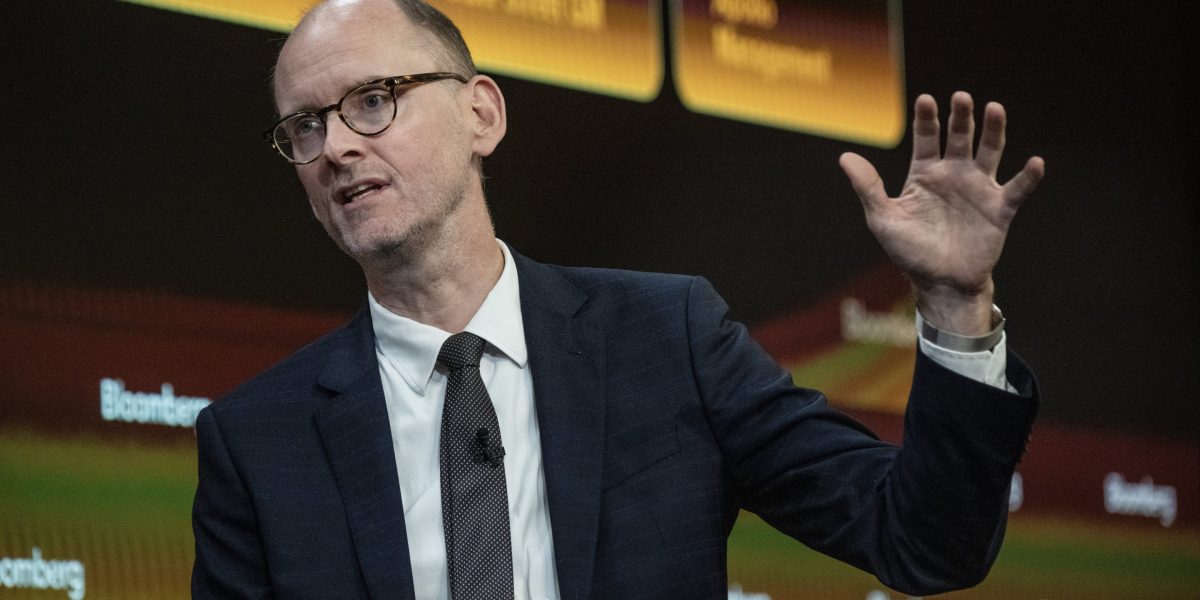
Count Bhaskar Chakravorti, dean of global business at Tufts University, as a skeptic. He just mapped out the American AI Jobs Risk Index, a model tracking the geography of jobs most vulnerable to AI automation across 784 occupations and he’s certain that the “Rust Belt” of the China shock era is getting a “wired belt” in the AI era.