ByJoe McKendrick,
Senior Contributor.
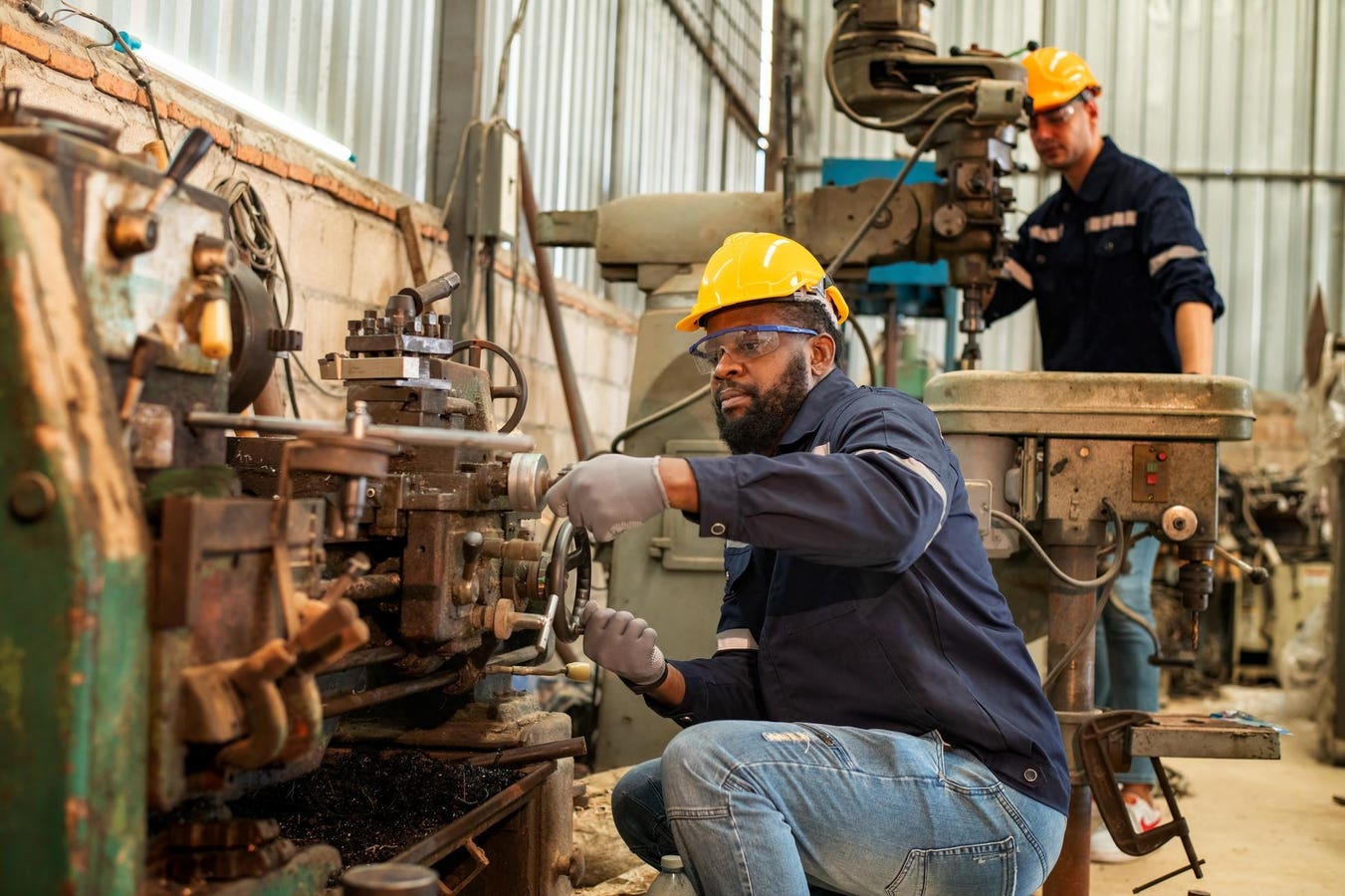
There was a time when large-scale computer-driven automation usurped a large array of jobs in the economy. The time was the 1970s into 1980s, when computerized machine tools swept in and took over the jobs of assemblers, parts makers, machinists, lathe operators, and more in industrial settings. This wave of automation was driven by intense global competition that threatened to put many slower-moving manufacturers out of business.
In the process, the economy shifted from manufacturing work to knowledge work. Is there a parallel to the current time, with artificial intelligence threatening the jobs of knowledge workers? A team of researchers from Case Western, Princeton, and Brandeis Universities say there are analogies to the automation wave of the 1980s, but they only go so far.
In this just-published study, economist David Clingingsmith, professor at Case Western University and his colleagues argue that workers might not be able to absorb the shocks of the current AI wave as readily as industrial workers in the 1980s, as they had strong unions, concentrated impacts, and clear retraining paths.