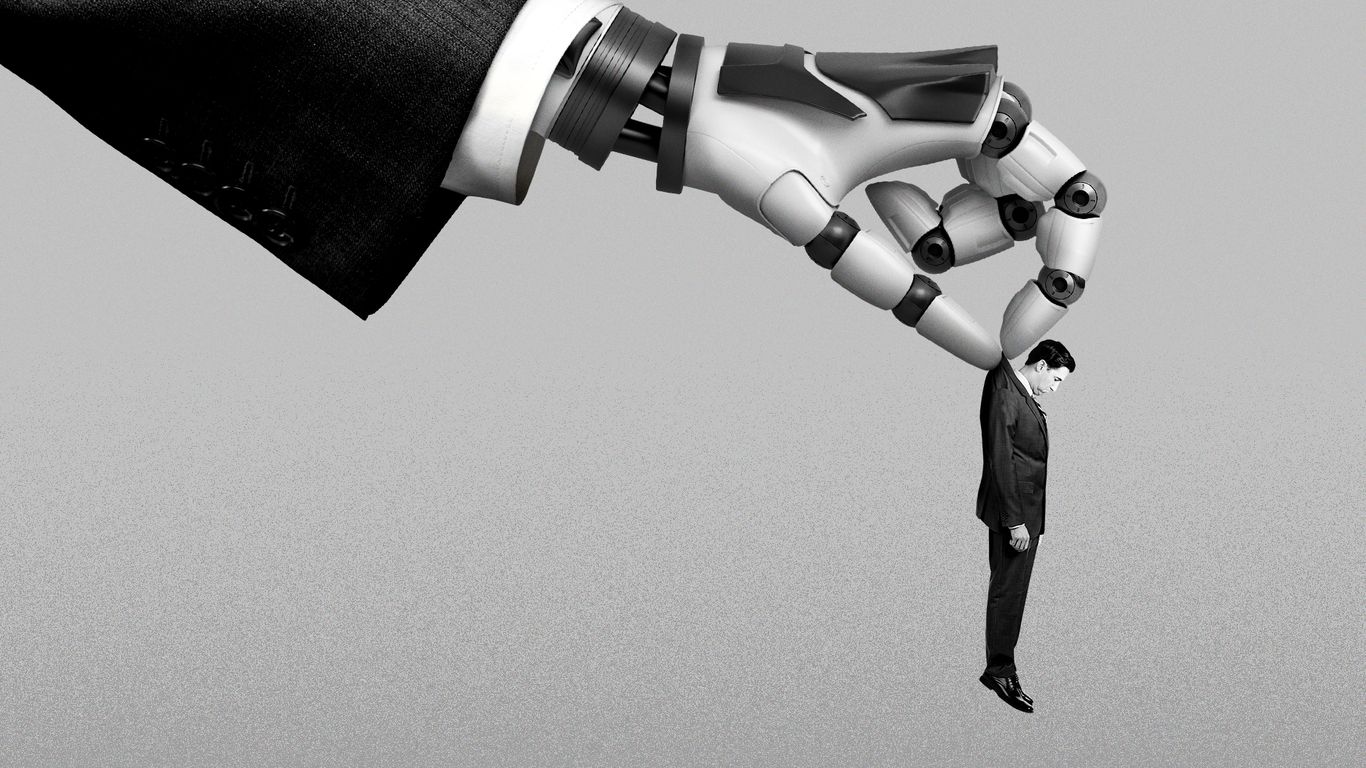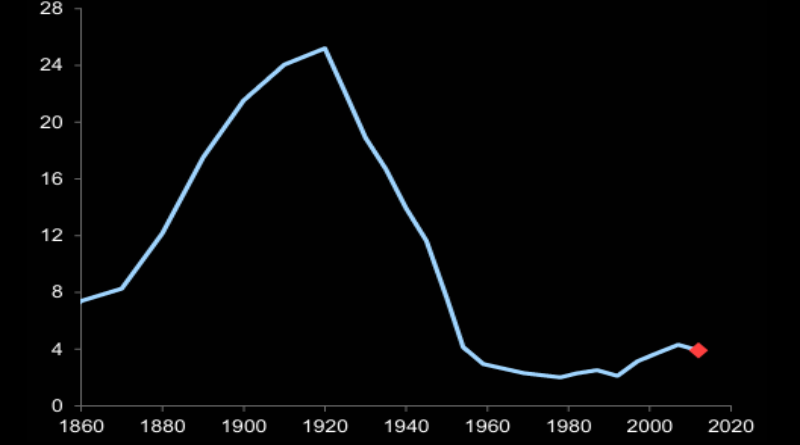
In 1983, the Nobel Prize-winning economist Wassily Leontief asked whether technological change could become so profound that “humans could go the way of horses” when tractors replaced them in agriculture and transport in the early part of the 20th Century.* Might not computers replace the need for humans who can think the same way the combustion engine replaced the need for literal horsepower?
This week, two analysts at Goldman Sachs tried to answer that question in a research paper cheerfully titled, “How Concerned Should We Be About a Job Apocalypse?”
Quite, but not too much, is their conclusion.
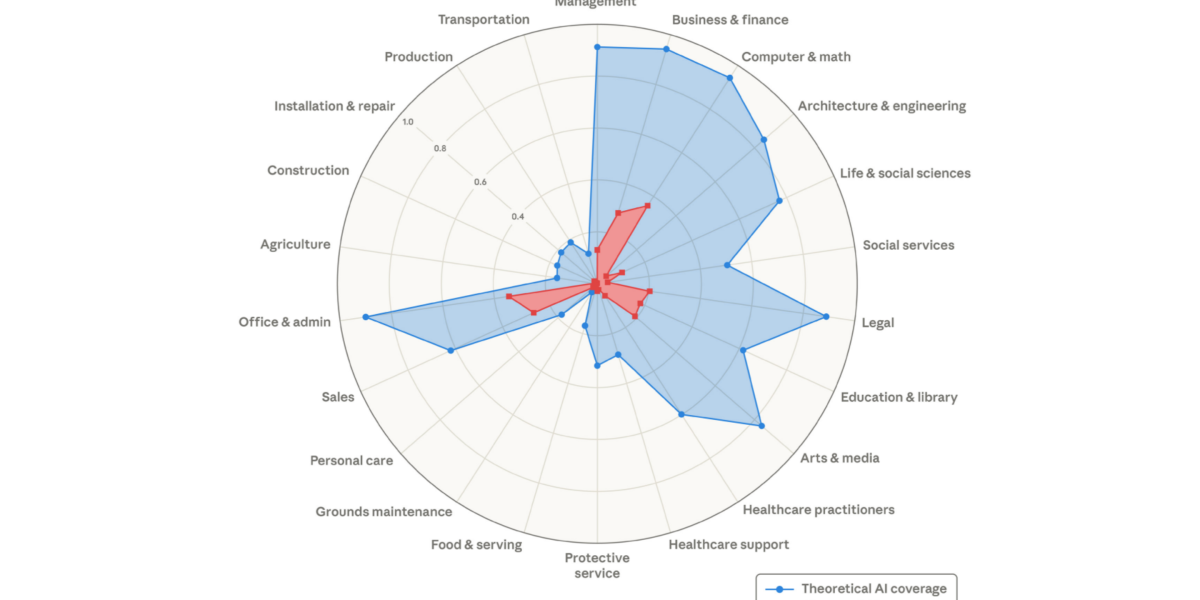
Joseph Briggs and Sarah Dong estimate, based on Department of Labor job numbers, that 25% of all work hours could be automated by AI. Thus, “We expect that the AI transition will lead to a meaningful amount of labor displacement.”
AI won’t replace jobs in a uniform way, however. “Our baseline forecast for a 15% AI-driven labor productivity uplift and the historical relationship between technologically driven productivity gains and job loss implies that 6-7% of jobs will be displaced over the adoption period,” they said.