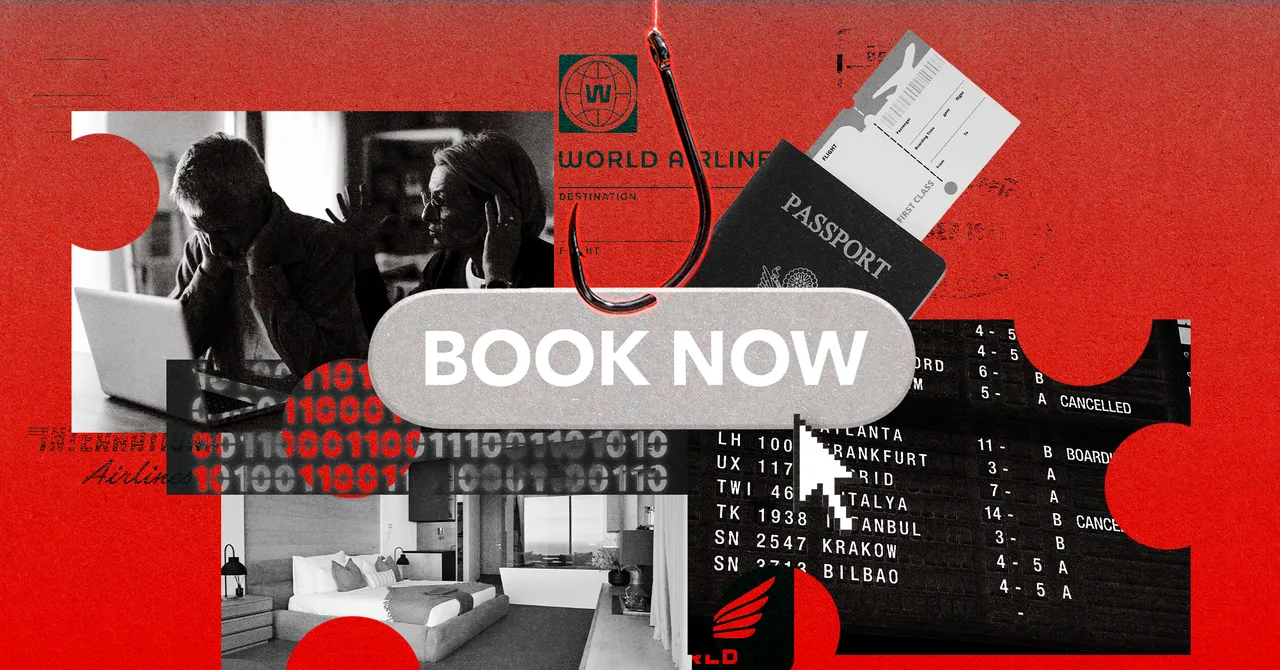
THERE'S ANOTHER TYPE of digital scam to be aware of, as per the BBC. It's called “reservation hijacking.”
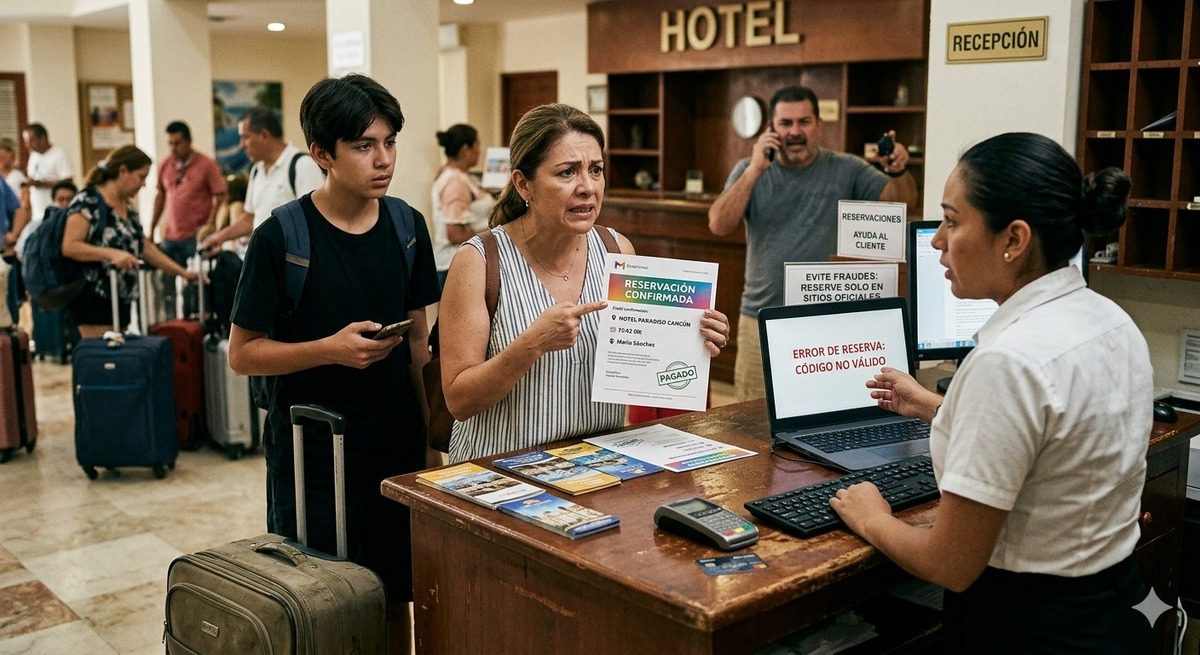
The name gives you a clue as to how it works. Essentially, scammers use details about a booking you've placed (perhaps with a hotel or airline) to trick you into sending money somewhere you shouldn't.
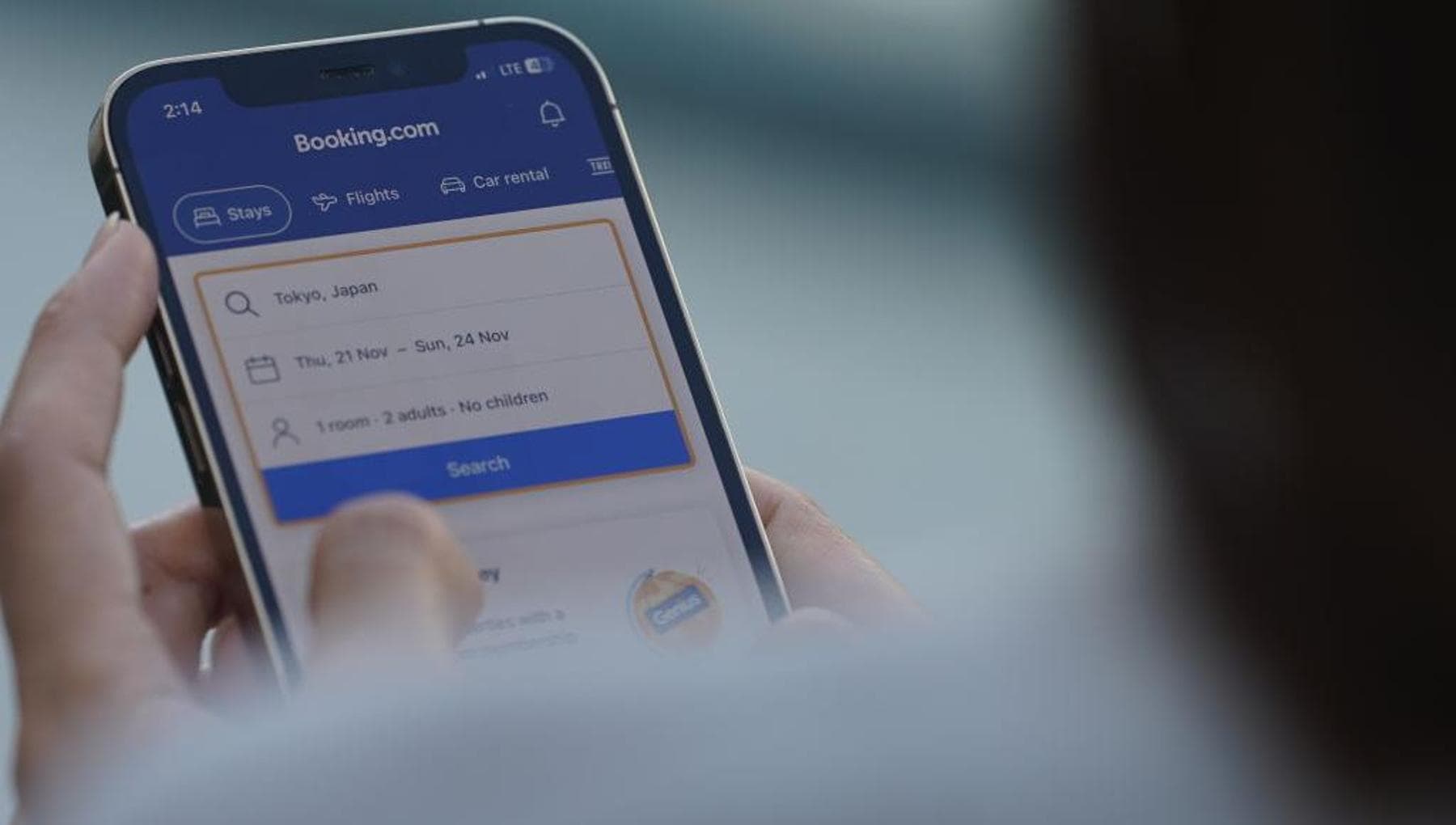
While this type of scam isn't brand new, a recent data breach at Booking.com has raised the risk of people being caught out. With data about you and your reservation, a far more convincing setup can be put in place—why wouldn't you believe that someone purporting to be an employee from a spa you've got a reservation with is telling the truth about who they are, especially if they know the dates of your trip, your phone number, and your email address?
According to Booking.com, no financial information was exposed in the April 2026 hack. However, names, email addresses, phone numbers, and booking details have been leaked. The travel portal says affected customers have been emailed about the heightened risk of scams, so that's the first thing to check for when it comes to staying safe.
Minimizing the risk of getting scammed by a reservation hijack involves many of the same security precautions you may already be following, and just being aware that this is a way you might be targeted will make a difference.