Tate Britain, London
The Franco-Algerian artist’s exploration of radical film-making in the 1960s and 70s is so seductive it makes you wish the crowd was livelier and the wine was flowing
‘W
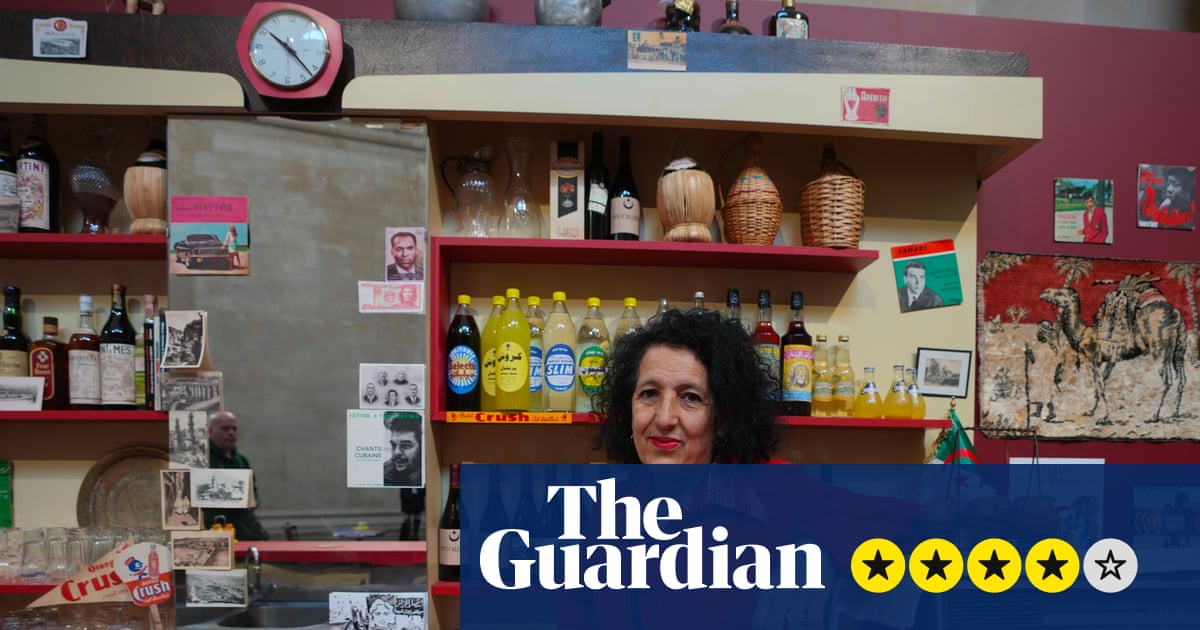
HEN WORDS FALL SILENT, CINEMA SPEAKS …” announces a giant sign. “CINEMA AS A WEAPON” is among the slogans pinned to a board. So it is clear from the start that Zineb Sedira’s exhibition at Tate Britain is intended as a manifesto as much as an aesthetically pleasing arrangement of films and sculptures. And these phrases raise questions: if art is a weapon, then who gets to use it, what war is being fought, and is it any longer effective? What silence is being maintained, and who is speaking out against it?
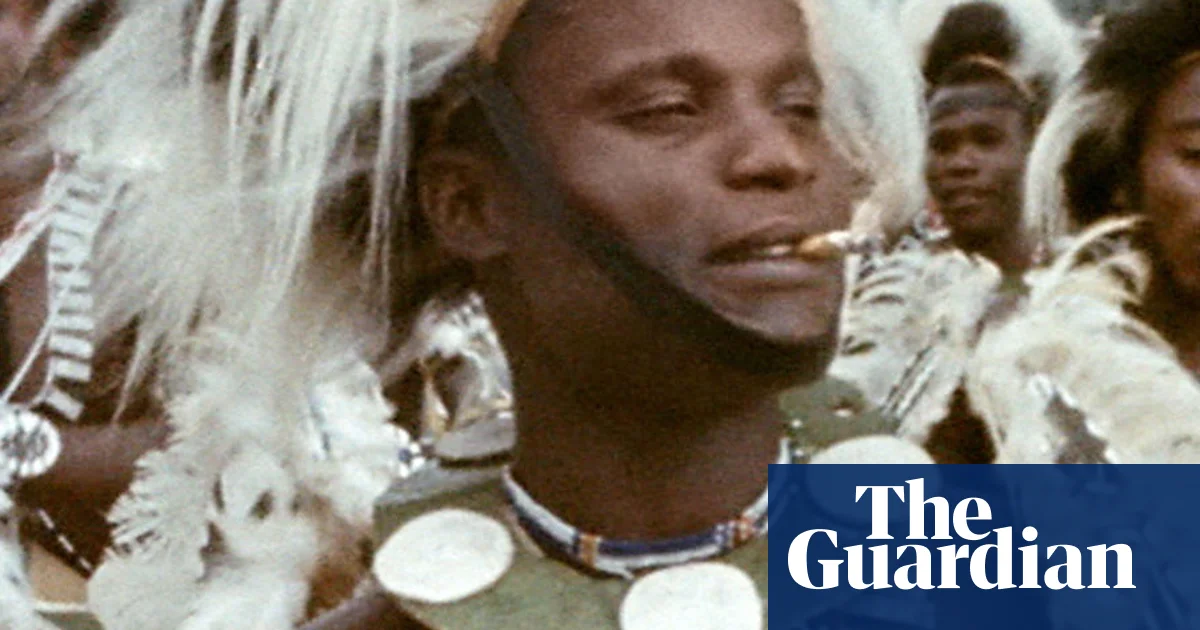
To answer these questions, Sedira presents a case study of La Cinémathèque Algérienne, which became a mecca for leftist African film-makers after its foundation in 1965. Screened in a model movie theatre complete with flip-down seats, this short documentary film revolves around the cinema’s director, Boudjemaâ Karèche. That he wears a beret very well might tell you something, and this something is confirmed by his accounts of the cinema during its heyday in the 1970s. Here was a place in which clever and idealistic young people could meet to watch important works of revolutionary art, argue about how to construct a better world, and hope to sleep with other clever and idealistic young people.