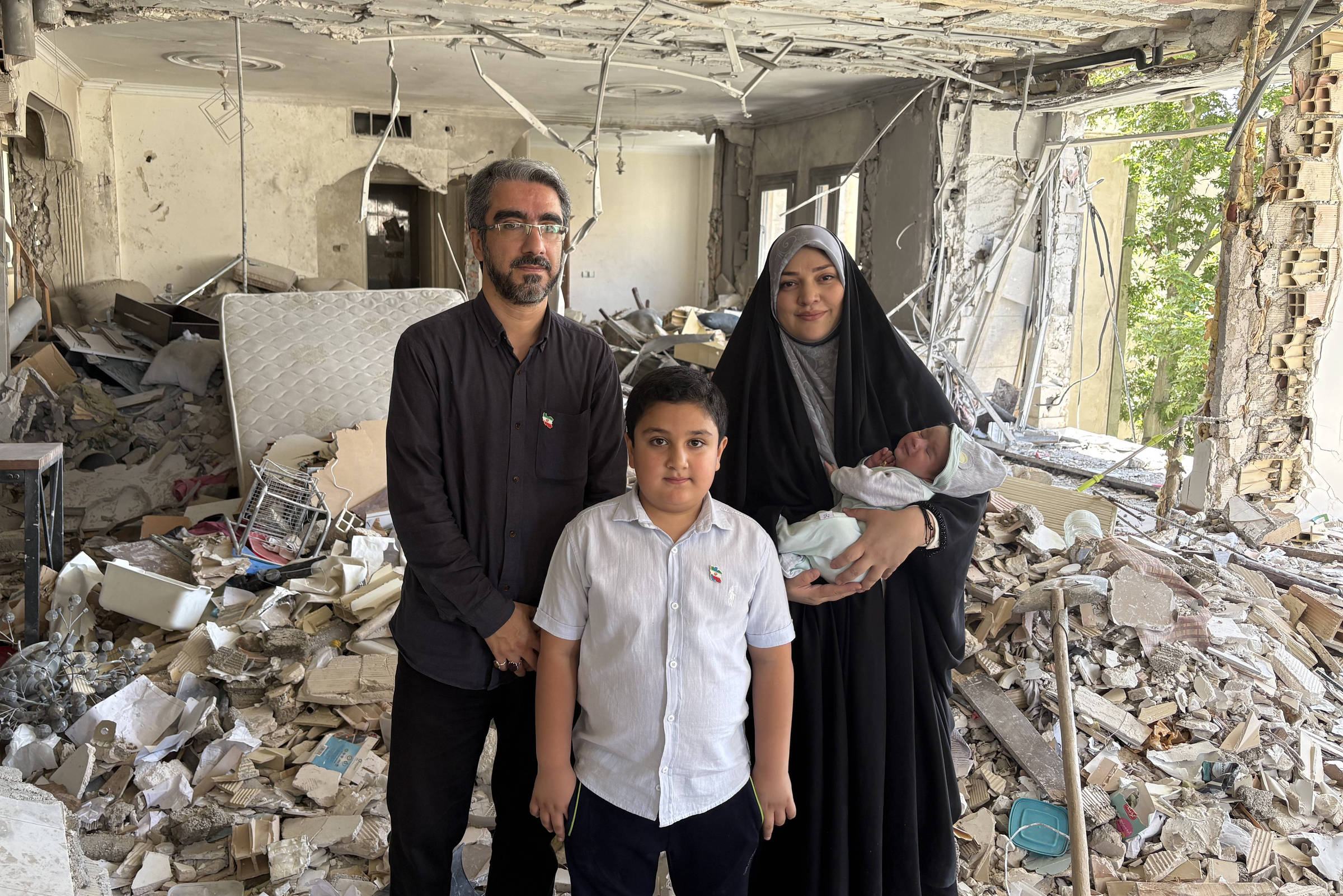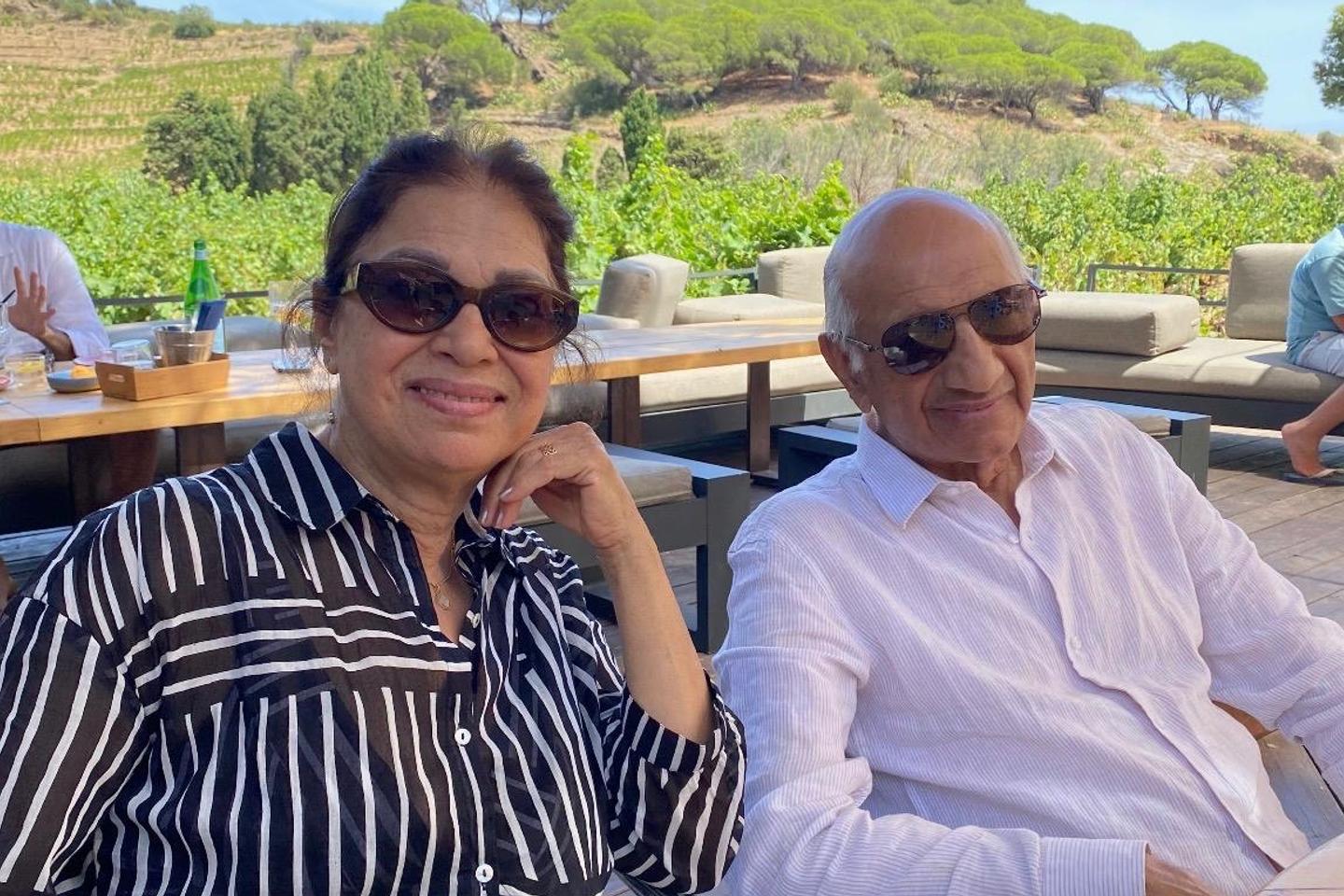
Manije Khalili Kangarani Farahani and her husband, in Argelès-sur-Mer, France, in July 2025. ARCHIVES FAMILIALES
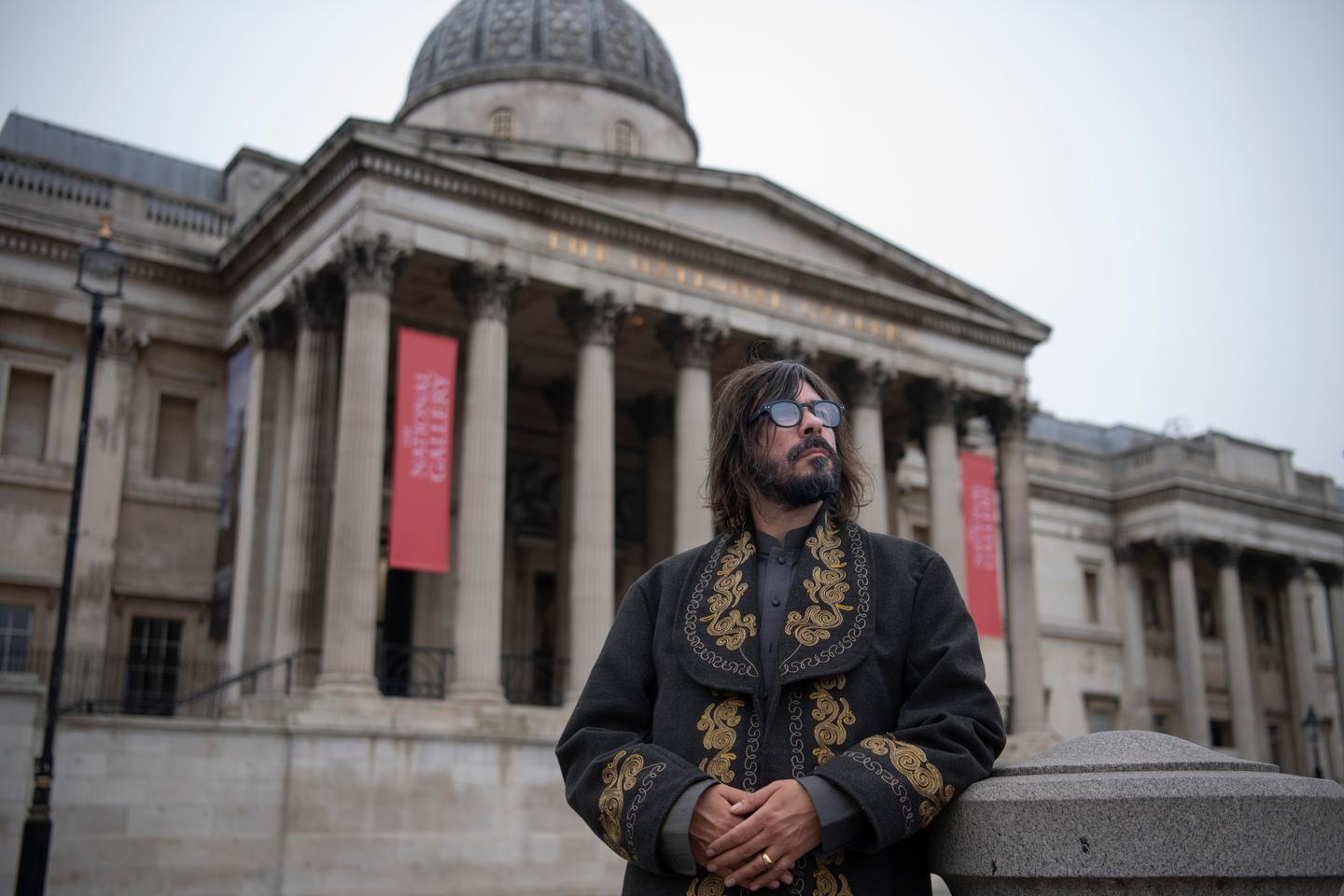
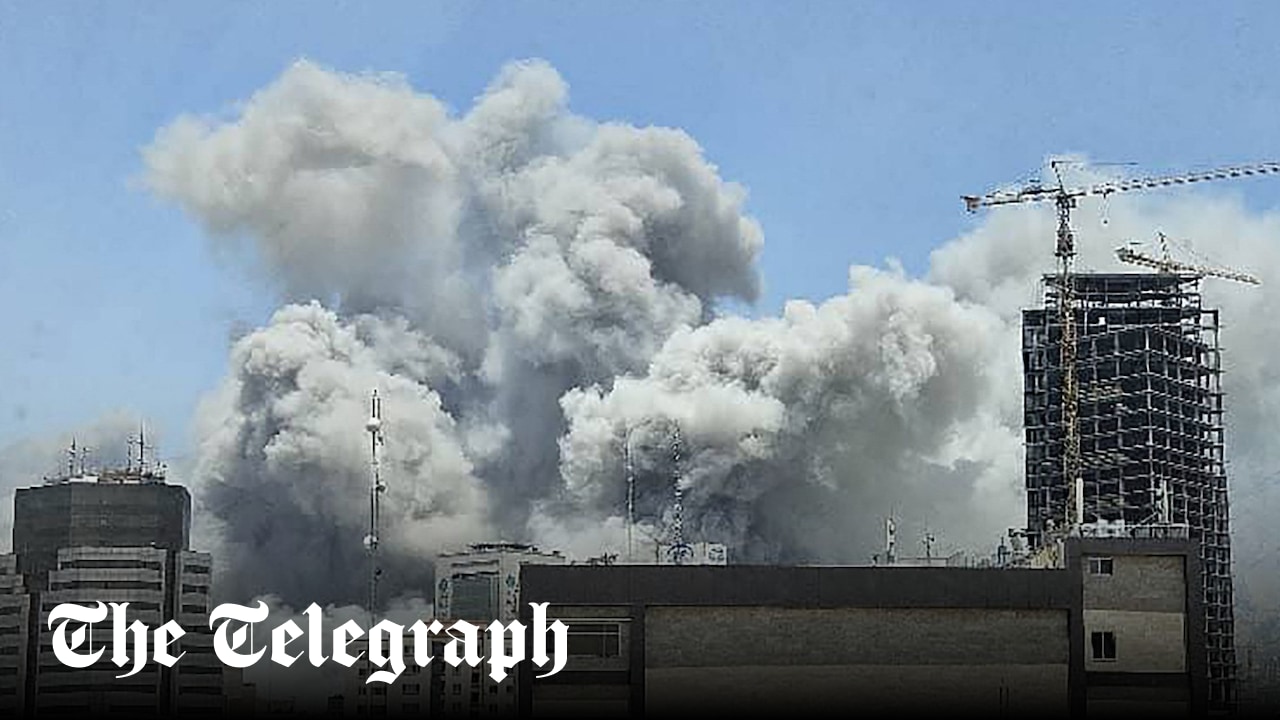
Armin Zoghi could not sleep on Friday, March 27. From Lille, where he lived, the 47-year-old French-Iranian national had seen, before going to bed, a photo circulating on Telegram channels covering Iranian news: Intense bombardments were striking Evin, the neighborhood in Tehran where his parents lived.
That same day, his parents had returned to the capital after taking refuge, since the beginning of the war, in Taleghan, a province near Tehran, where they were more sheltered from the Israeli-American bombings that had started on February 28. "We came back to get my sister's medicine. Please, don't worry," his mother, Manije Khalili, had told him on the phone a few hours earlier.
Since the beginning of the conflict on February 28, the Iranian authorities have cut off internet access throughout the country. Telephone calls only work from inside the country to the outside. As a result, artist and teacher Zoghi could no longer reach his loved ones to find out if their building had been hit.
You have 89.9% of this article left to read. The rest is for subscribers only.