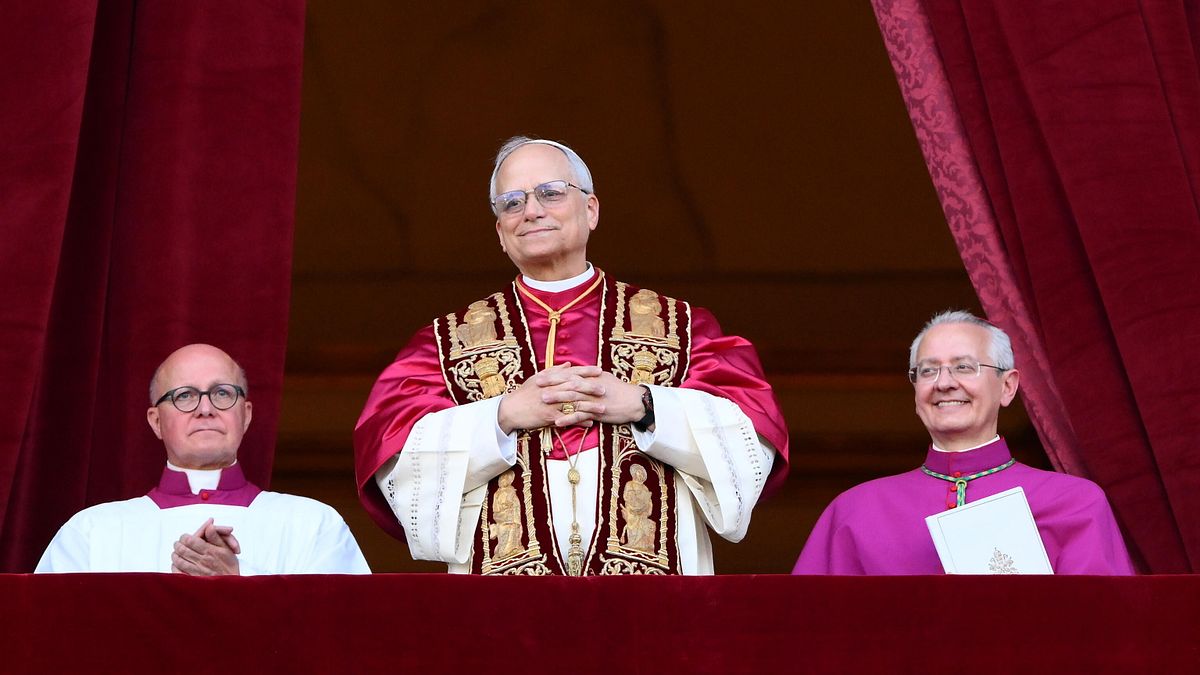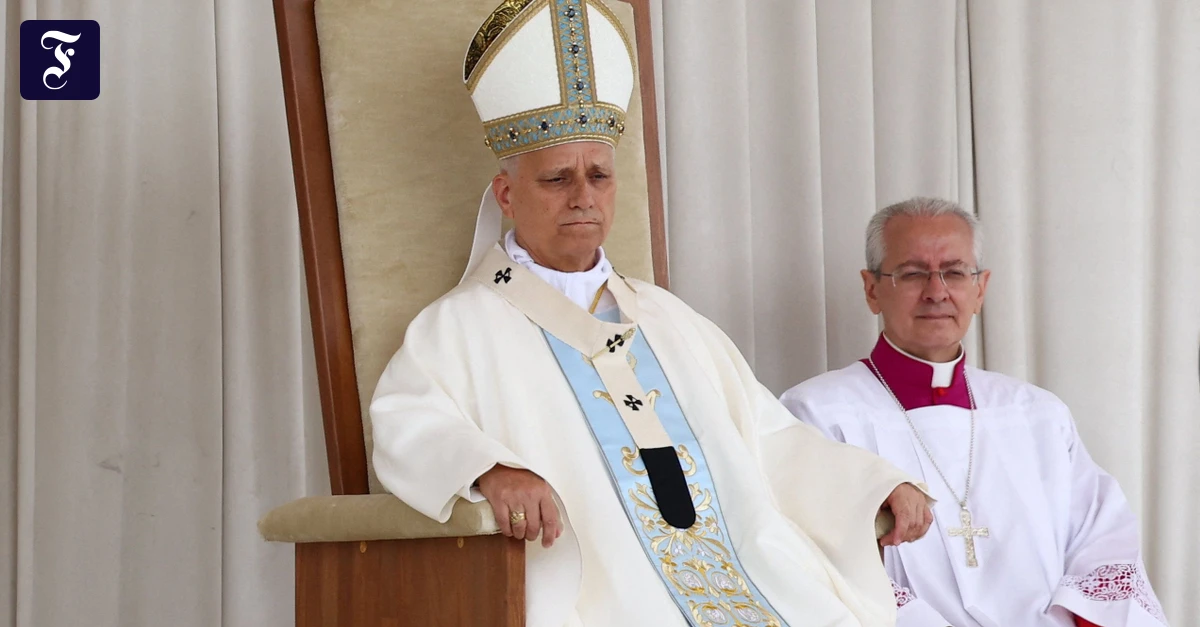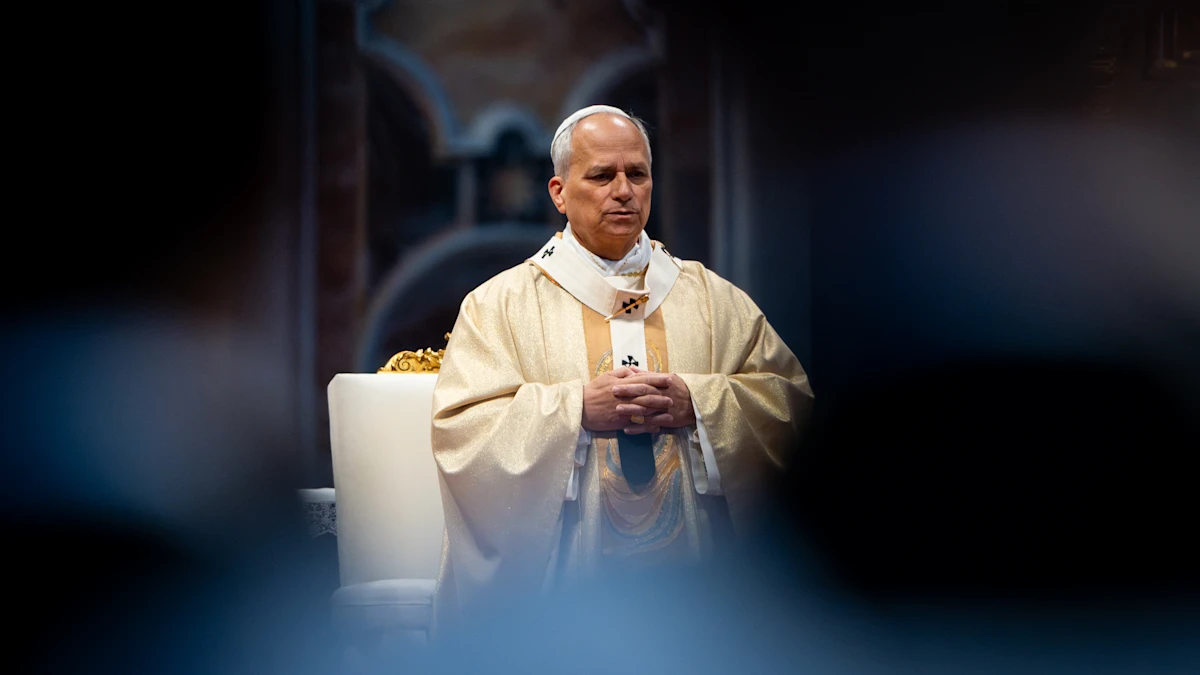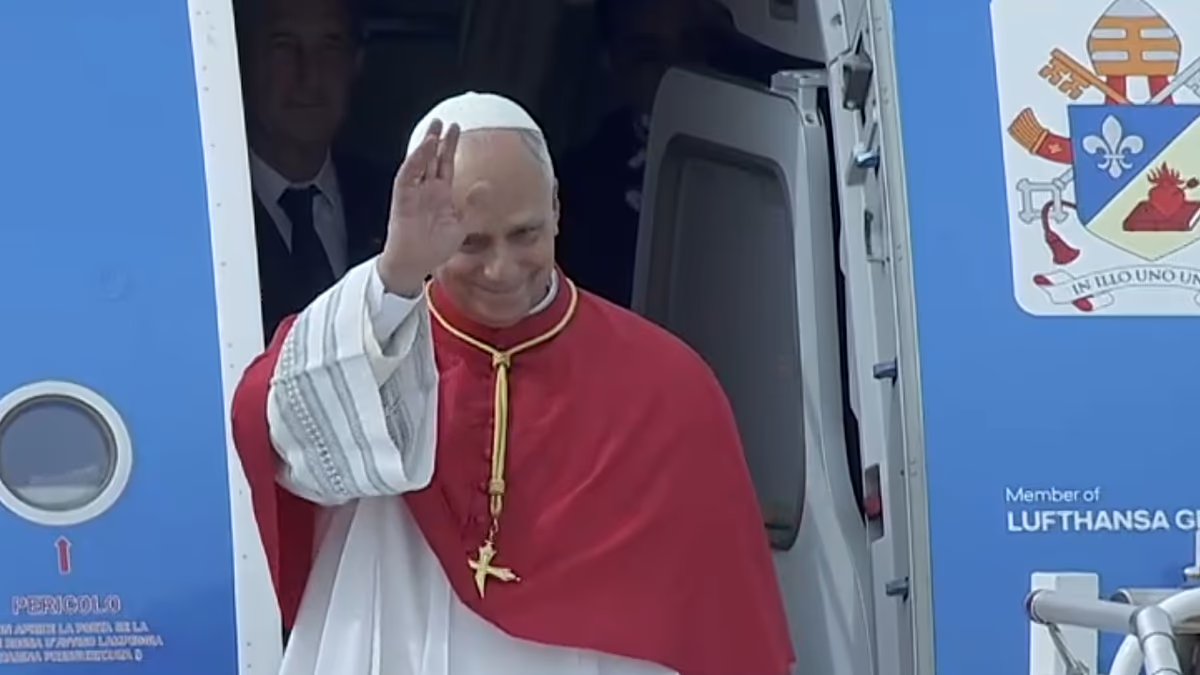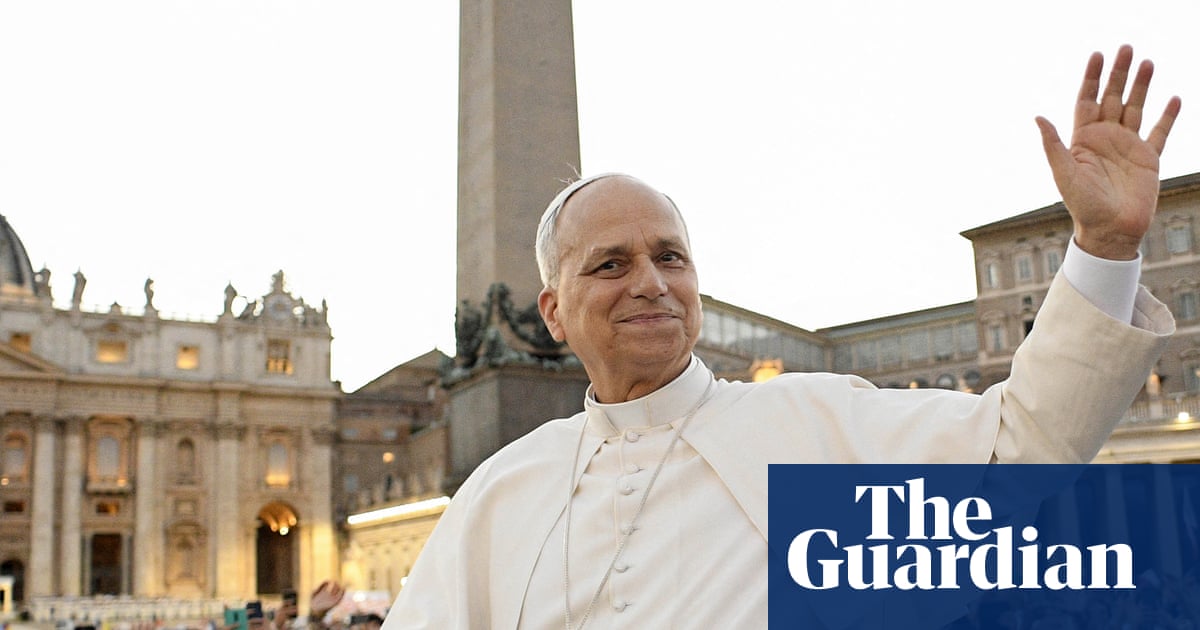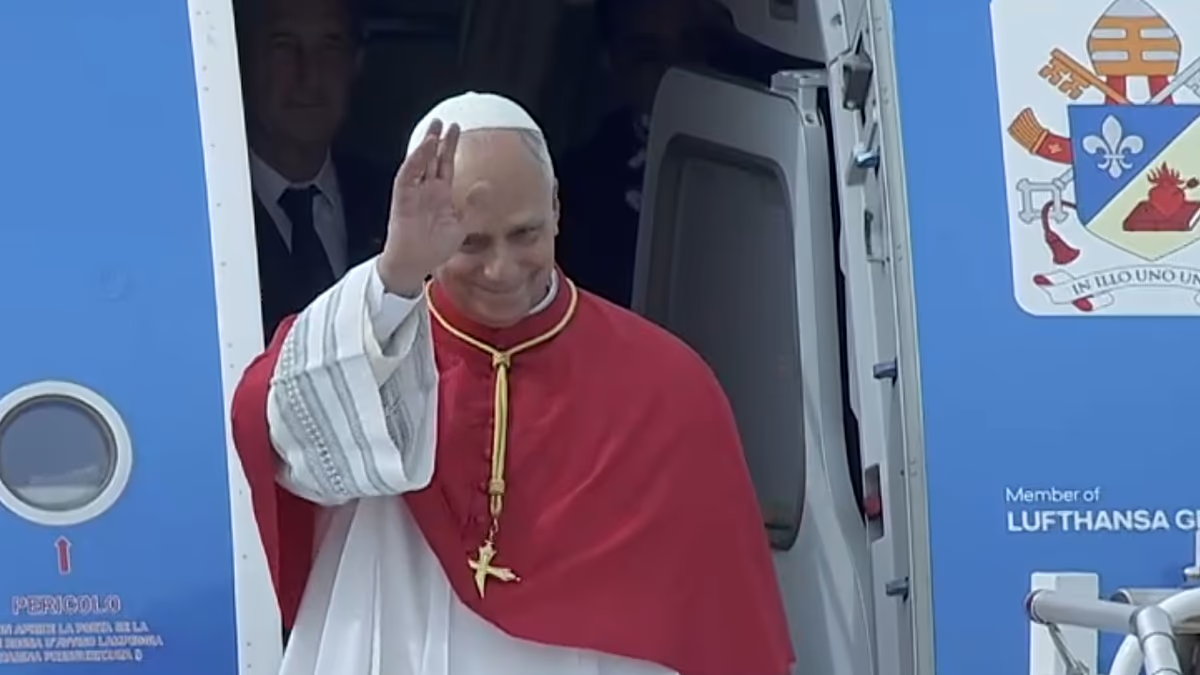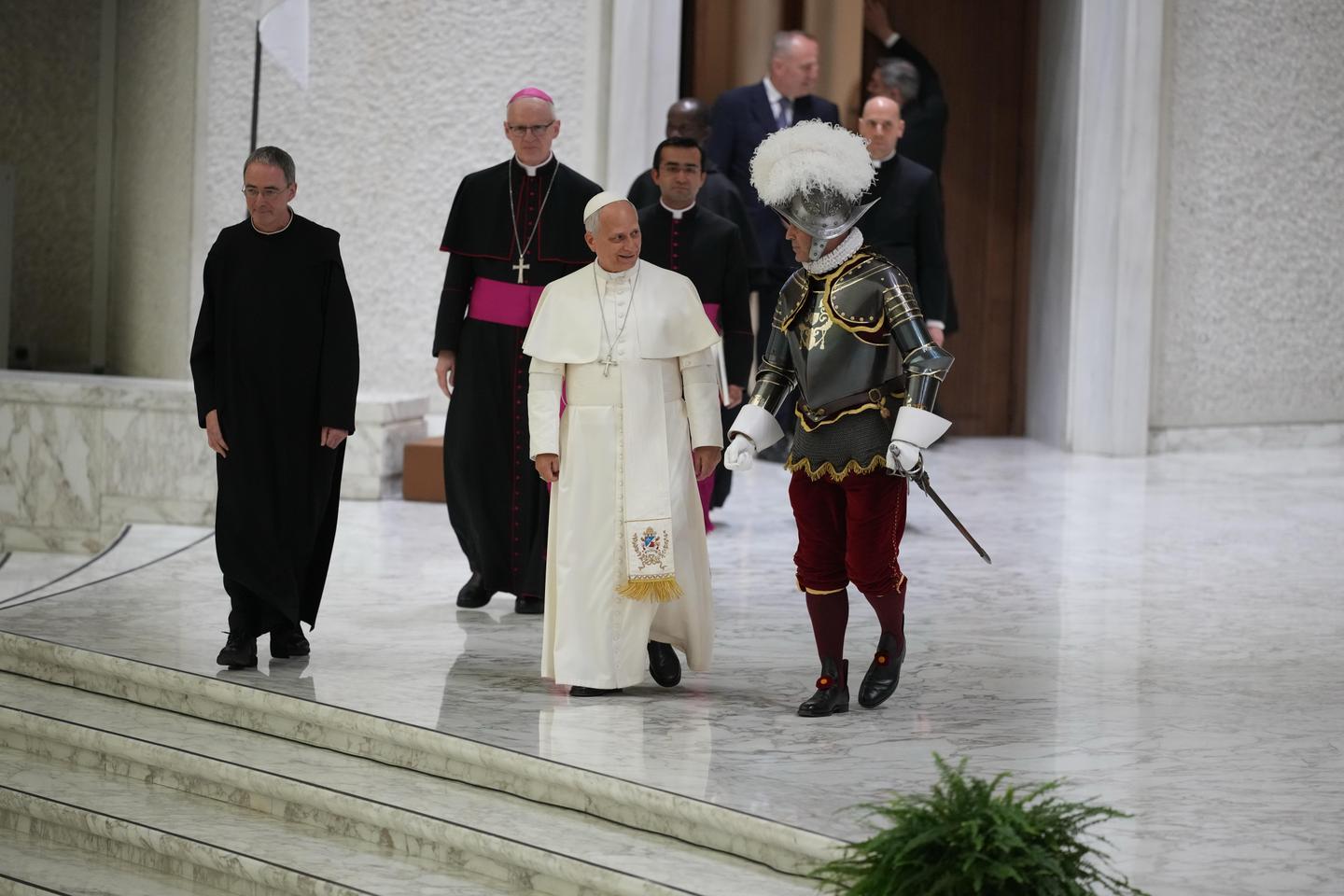
Pope Leo XIV arrives at the swearing-in ceremony for 28 new Pontifical Swiss Guards at the Vatican, May 6, 2026. ANDREW MEDICHINI/AP
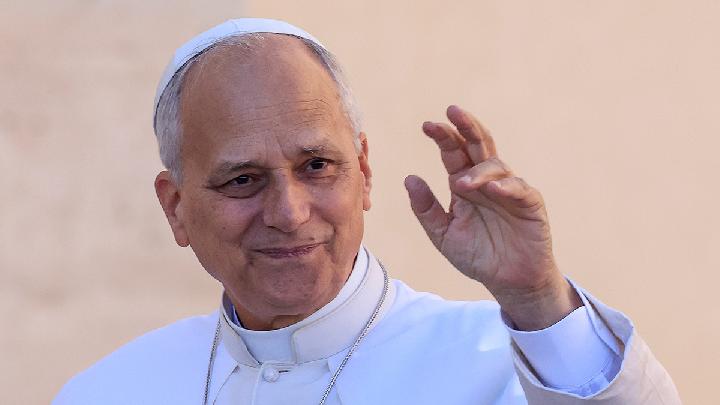
One Roman priest still recalls the moment when Robert Francis Prevost, who had become Pope Leo XIV after his election as head of the Catholic Church just weeks earlier, came to greet them in his church. "He shook our hands, one after another, and his face, which always carries a gentle, benevolent smile, never changed – it was like watching a painting come to life," said the smiling clergyman. That calm expression, that serenity, is something Leo has displayed constantly since May 8, 2025. It has become such a defining feature that it is both praised and feared within the Curia – the Vatican's administrative apparatus – which quickly nicknamed him the "marble cat."
For months, the successor to Francis, who died on April 21, 2025, spoke with restraint and caution, to the point where the faithful began to see him as a "boring" or "barely audible" pope, following 12 years of his predecessor's thunderous pontificate.
Yet in April 2026, things changed. His words became stronger and more direct. After condemning the war launched by the US and Israel against Iran on February 28, Leo, on April 7, urged American Catholics to contact their elected officials and appeal to end the conflict. Just a few days later, on April 11, during a prayer for peace he led in Saint Peter's Basilica in Rome, Leo condemned the religious justifications for war invoked by members of the Trump administration, such as US Secretary of Defense Pete Hegseth.