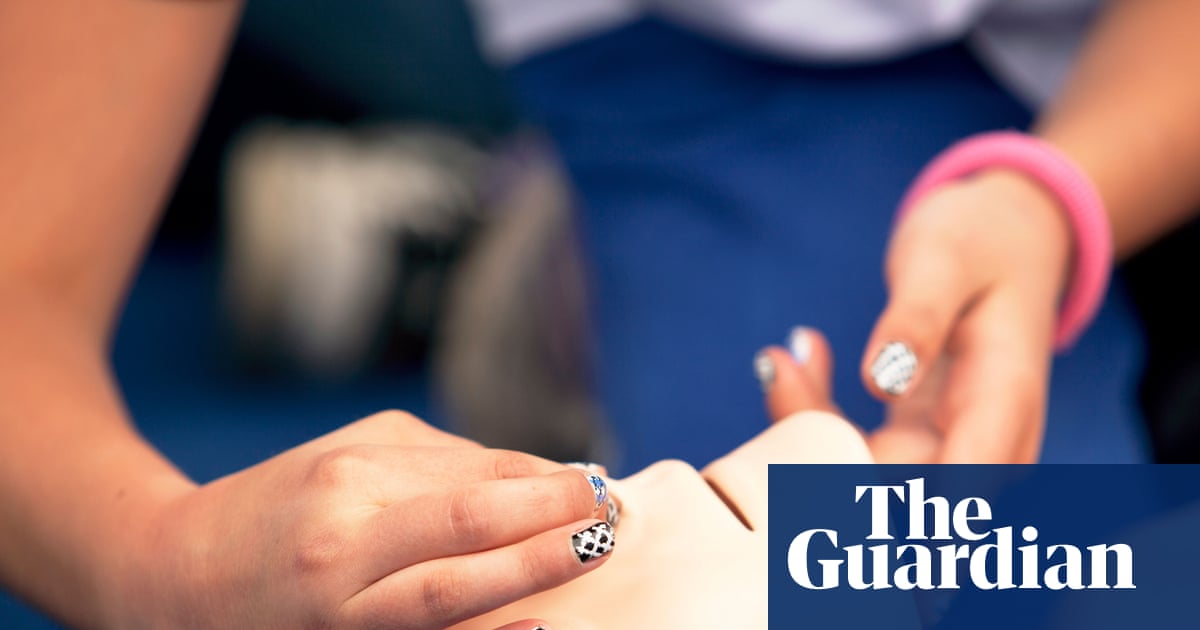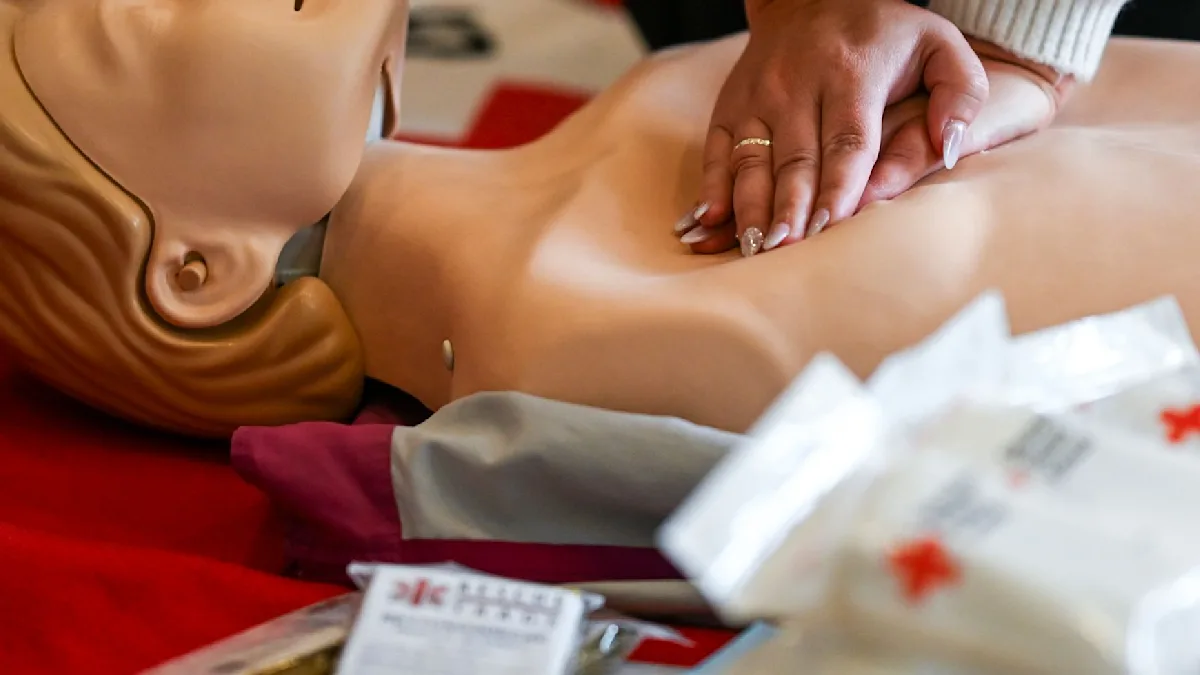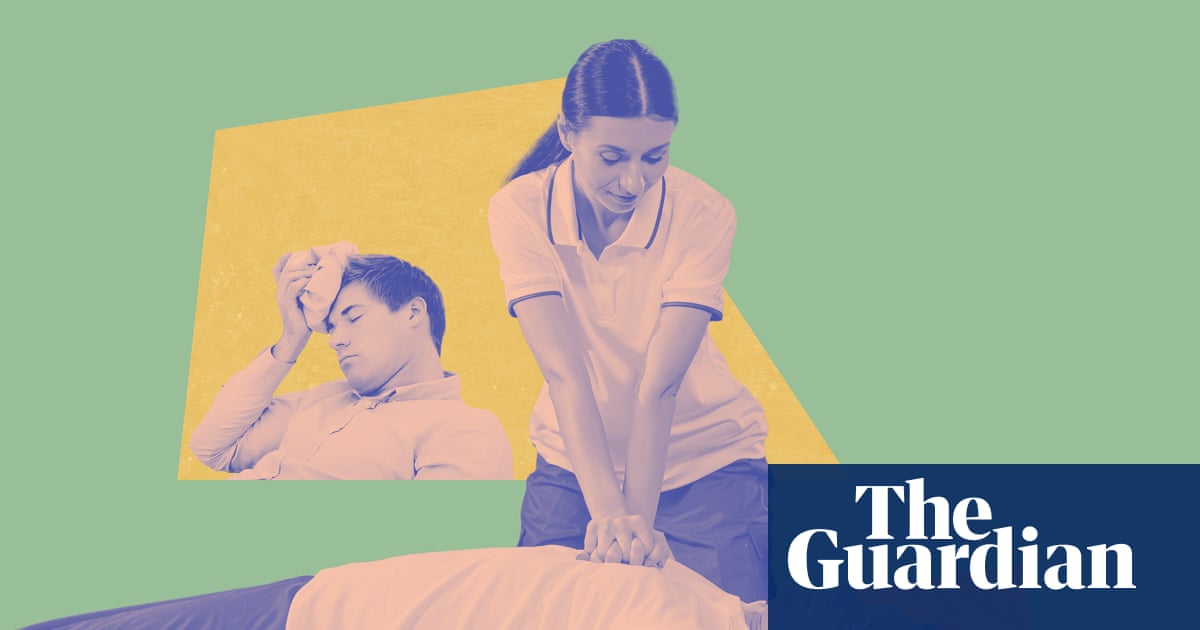
Would you know how to respond if someone was taken critically ill? Experts explain the basic skills we can all learn and how to perform them with confidence
“If you learn one thing, it should be how to resuscitate,” says Richard Webber, an associate clinical director of St John Ambulance and practising NHS paramedic in the south of England. “We know that for every one minute delay in restarting the heart, there is a 10% reduction in survivability.”
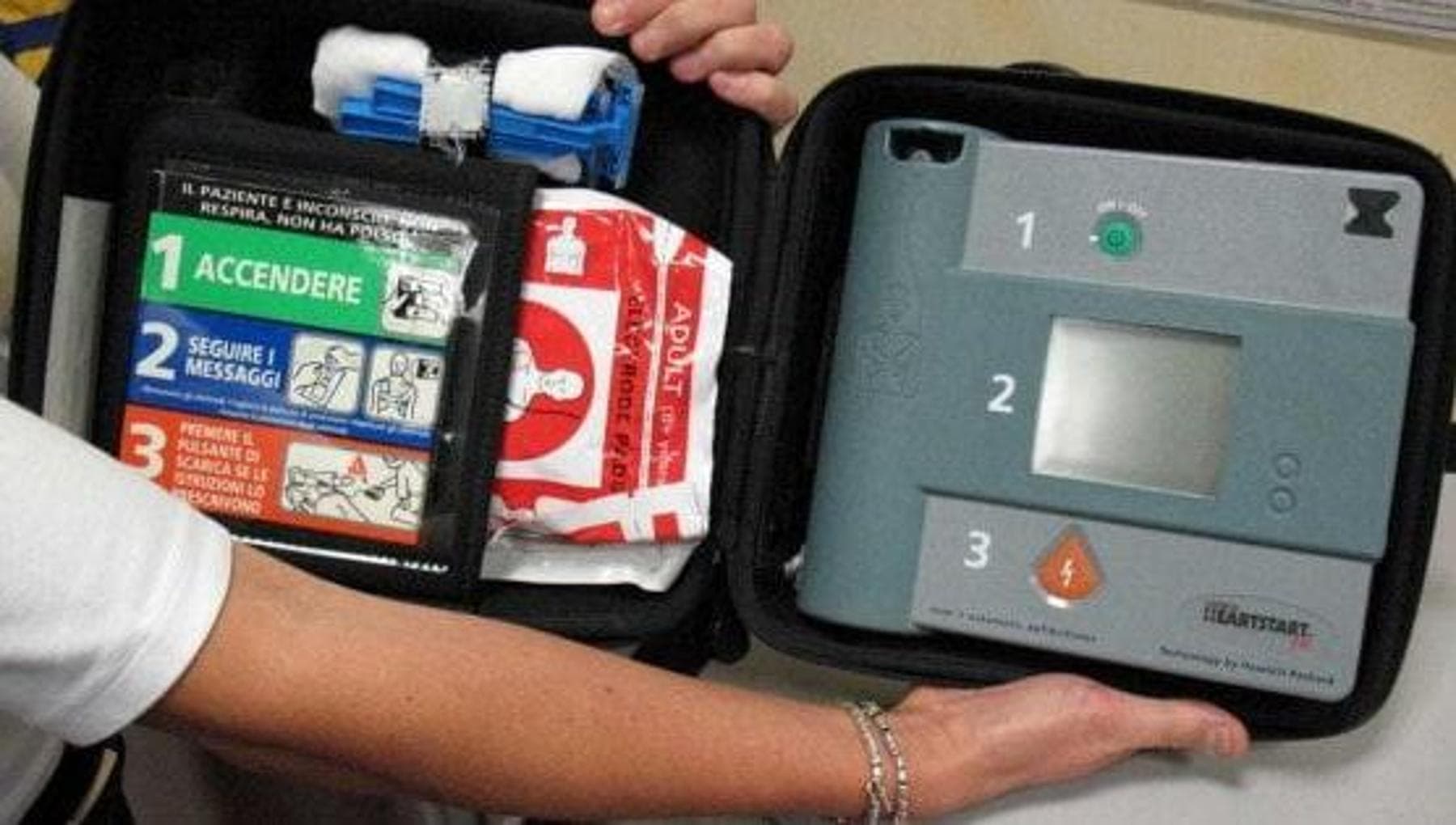
“In the UK, we have about 40,000 out-of-hospital cardiac arrests each year and the current survival rate is 9%,” says Emily Le-Gallienne, a resuscitation officer and paramedic for the East of England ambulance service, who is based in Hertfordshire. “We see much better survival rates in countries like Denmark and Sweden, because people are being taught cardiopulmonary resuscitation (CPR) skills more.” A CPR element has just been introduced to the UK driving theory test, “which is really positive progress”, says Le-Gallienne. “CPR and defibrillation can increase the chance of survival by up to 70% if it is done in the first three to five minutes of cardiac arrest, and an ambulance may not arrive in that time. If we get there and that person hasn’t received bystander CPR, what we do after is far less effective.”