Late withdrawal from Italian Open casts significant doubt over player’s chances of competing at Roland Garros
I
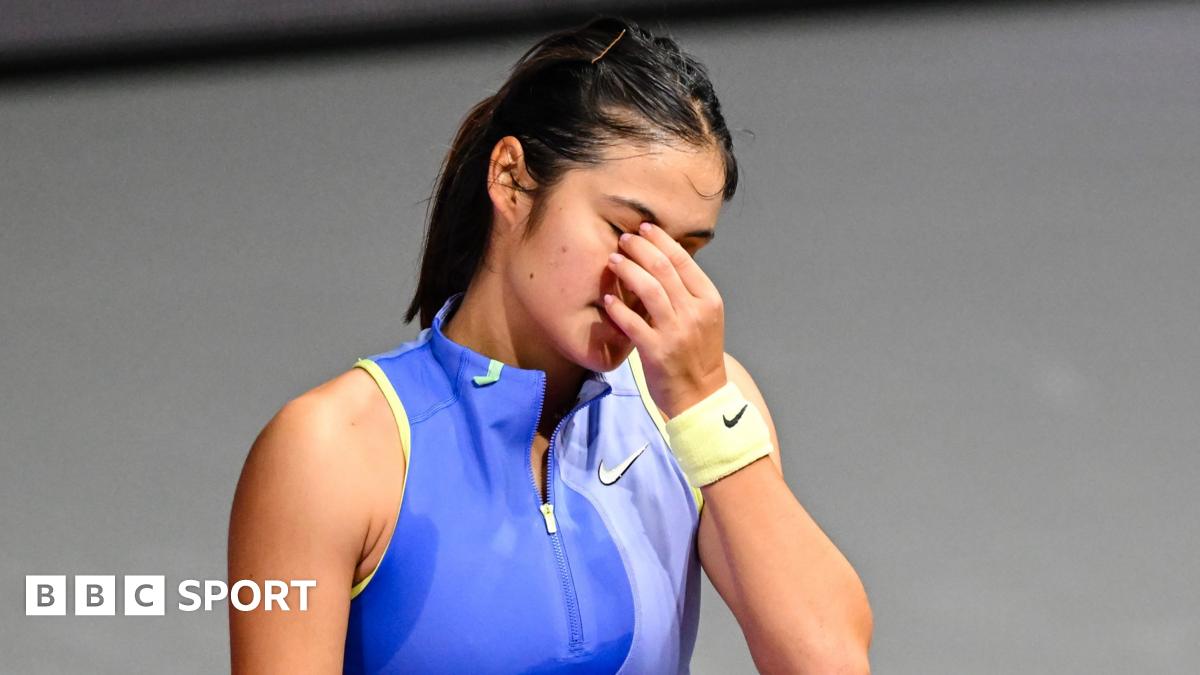
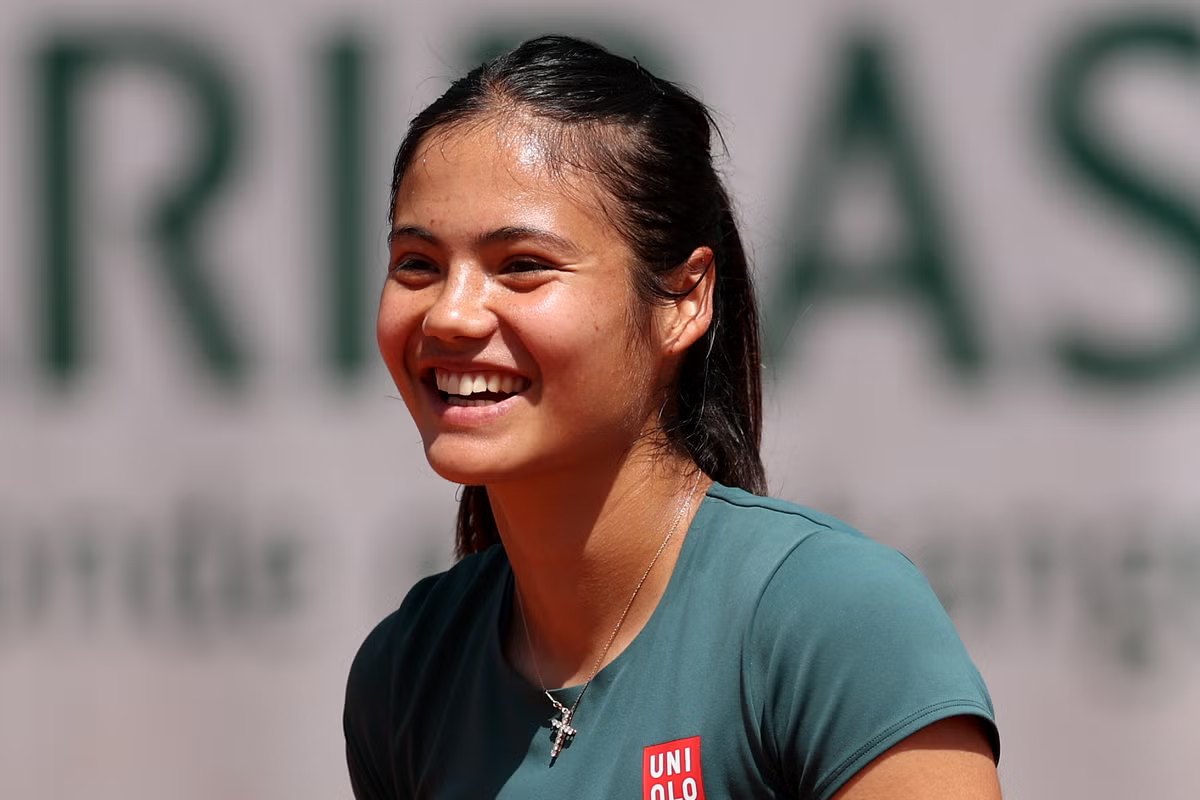
n the end Emma Raducanu was one of the first in and out the grandiose gates of the Foro Italico this year. She had arrived in Rome early, eager to test her health and readiness for top-level competition through a series of training sessions on the heavy red clay courts of the Italian Open. As the hours on court piled up, and her planned opening match on Thursday drew closer, it seemed reasonable to conclude that she would make her first appearance in two months. Instead, her absence from the courts will extend to more than two months.
Things are rarely straightforward with Raducanu, demonstrated by the nature of her withdrawal in Rome, which occurred just 30 minutes after she gave little indication of her intention to during a press conference. The past few months, as usual, have come with ample speculation about Raducanu’s health, meaning her appearance in Rome was at least an opportunity for her to provide clarity on her recent struggles. Somehow, the manner of her exit only generated further questions.
Still, Raducanu did explain the nature of her post-viral illness, which has affected her for two months. She had tried to push through a virus for much of February, but by March those symptoms still had not abated: “Post-viral, it’s quite hard, you feel drained, you feel tired, no energy, it’s difficult and it lingered for quite a while,” she said. “Right now I wouldn’t say I’m 100%. I’m still building my way back. It is difficult to then kind of maintain it, even if your tennis level is very high, it’s difficult to maintain for the full duration of the match.”