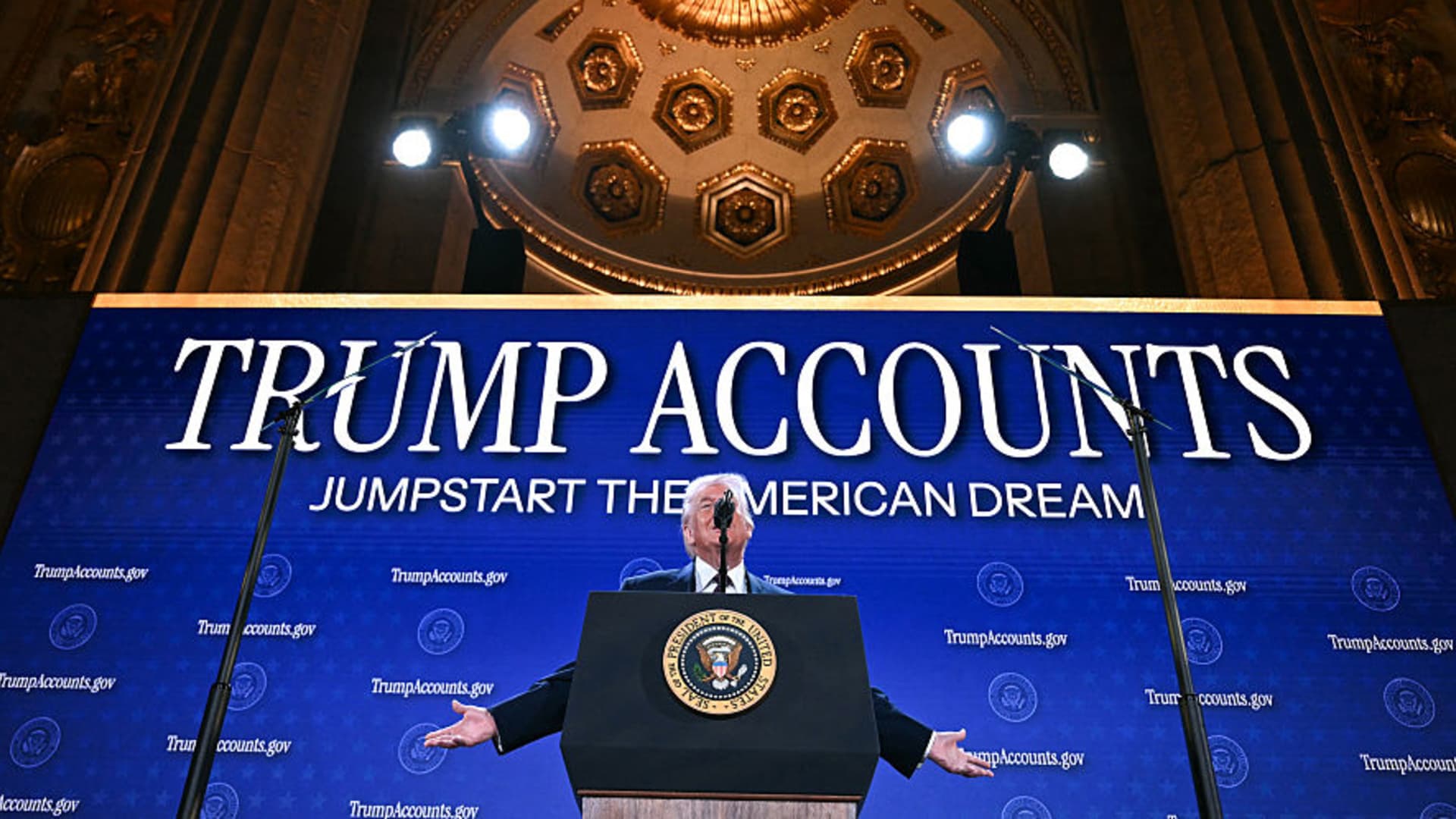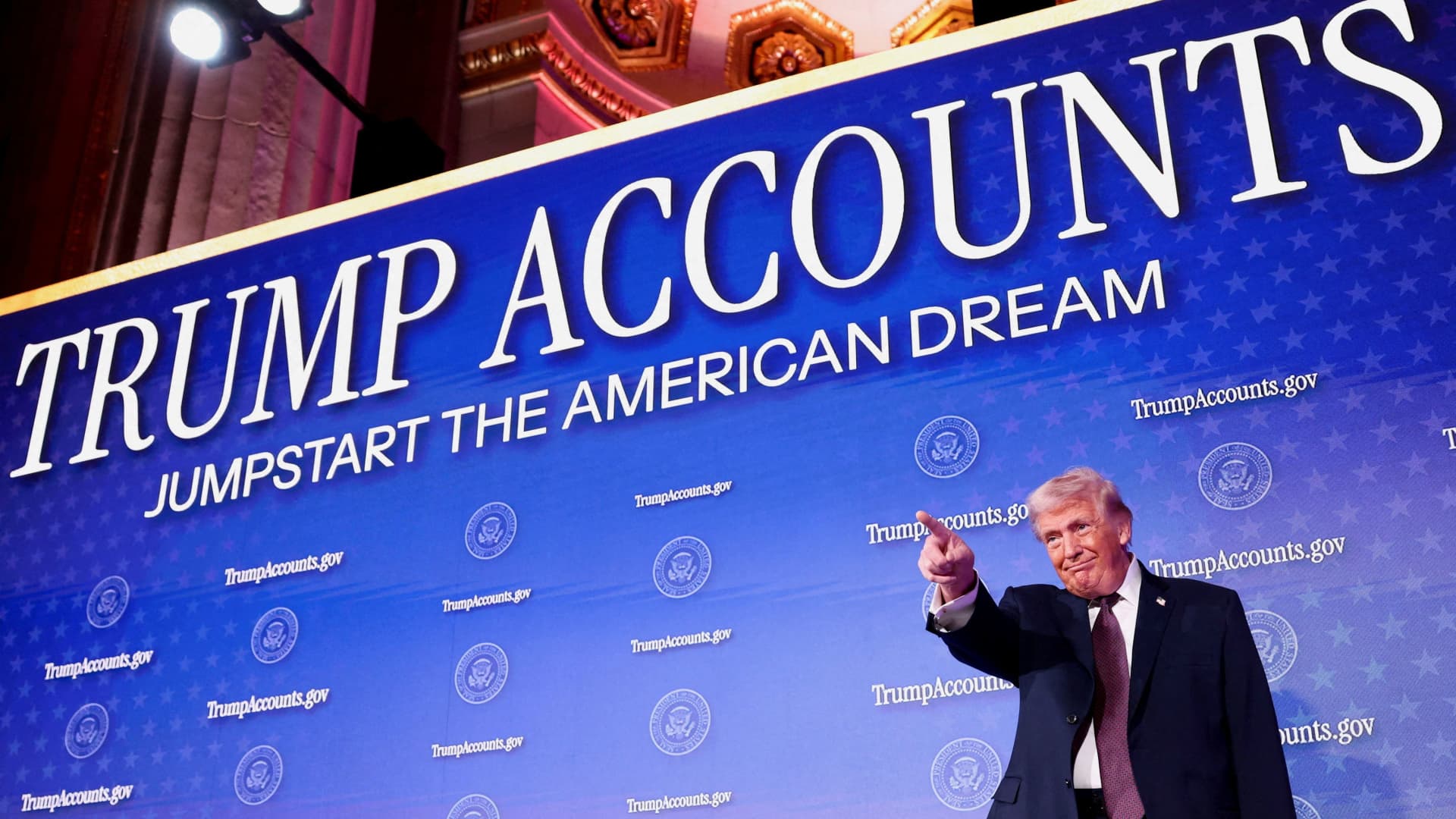
ToplineThe Trump administration has reportedly held talks about allowing some of the world’s wealthiest people to donate, with serious tax breaks, shares of their companies to Trump Accounts, the new investment accounts for children in the U.S. that have drawn criticism from economists. Contributions will open soon to the new investment accounts. Associated PressKey FactsWhite House and Treasury Department officials discussed expanding what can be contributed to the Section 530A accounts, a type of IRA the Trump administration named a “Trump Account,” including stock donations, the New York Times reported.If equity donations were added, donors could unload stock worth potentially billions of dollars and receive a charitable deduction for the equity’s full market value, without ever paying capital gains on its appreciation.The stock contributions could be locked in for years, leaving the accounts exposed to possible market downturns since beneficiaries would be unable to sell until a later age.Altimeter Capital Brad Gerstner, who Treasury Secretary Scott Bessent said “pioneered” the account program, has reportedly discussed adjusting the program with Trump administration officials, but any changes would likely require legislation.Neither the White House nor the Treasury Department immediately responded to Forbes’ requests for comment.What Are Trump Accounts?The “Trump Account” program, previously known as “Money Accounts for Growth and Advancement” or “MAGA Accounts,” was a component of the One Big Beautiful Bill Act passed last year. The programs provide a one-time federal contribution of $1,000 into an investment account for all children born in the U.S. between Jan. 1, 2025, and Dec. 31, 2028. Parents or guardians must opt in to the program by filing an IRS form for a qualifying child, and parents or other account custodians can contribute up to an additional $5,000 annually per child in post-tax funds. Any child in the U.S. under age 18 with a Social Security number is also eligible, but they won’t receive the $1,000 seed contribution. The accounts launched earlier this year, and contributions will begin July 4, according to the Trump Accounts website. Beneficiaries can withdraw up to 50% of the account balance at age 18, but further access is expanded at age 25 for qualified purposes, including small business loans and higher education spending, while full control is granted at age 30 for any use. All accounts require post-tax contributions and tax withdrawals as either long-term capital gains or normal federal income.How Will Trump Accounts Be Funded?President Donald Trump claimed the accounts would launch and come at “absolutely no cost” to taxpayers, as funds would come from initiatives included in the One Big Beautiful Bill Act, including a 3.5% remittance tax on money sent abroad (an updated version of the bill lowered the remittance tax to 1%). Earlier estimates suggested the accounts would cost taxpayers about $3.6 billion with an initial $1,000 starting balance, based on the 3.6 million children born in 2023. Some companies have said they would contribute to the accounts, according to the Trump administration, including BlackRock, Uber, Chipotle, Robinhood and Charles Schwab, among others.What Billionaires Have Contributed To Trump Accounts?Billionaire Michael Dell and his wife, Susan, announced they would contribute $6.25 billion to fund accounts for roughly 25 million children. The Dells will seed Trump accounts with $250 for children age 10 or under who were born before Jan. 1, 2025. Their contribution will be available to children in ZIP codes where the median household income is below $150,000, according to the nonprofit advocacy group Invest America. Bridgewater Associates founder Ray Dalio also committed to fund accounts for children in Connecticut, Bessent announced in December, which would similarly provide $250 per child for about 300,000 children in the state. Chief CriticEconomic policy researchers and analysts have argued the investment accounts would be unable to provide funding for financially vulnerable children. New York University’s Tax Law Center wrote last year the structure of the accounts, requiring investments in U.S.-based equity index funds, is risky for children whose funds may be needed for education or a home at age 18. Jin Huang, a social policy professor at Washington University in St. Louis, warned that because the Treasury Department requires parents to enroll their children, tens of millions of children may never receive benefits. Darrick Hamilton, AFL-CIO’s chief economist, argued the accounts “fall drastically short” to address the financial hurdles facing Americans, many of which Hamilton said lack disposable income.Further ReadingForbesHere's Who Qualifies For The Dell-Funded Trump AccountsBy Ty RoushForbesBillionaire Ray Dalio Will Fund ‘Trump Accounts’ For Children In Connecticut, Bessent SaysBy Zachary FolkForbesBillionaire Michael Dell Donates $6.25 Billion To ‘Trump Accounts’ For 25 Million KidsBy Ty Roush
Billionaires Could Soon Donate Stock To Trump Accounts—With Big Tax Breaks
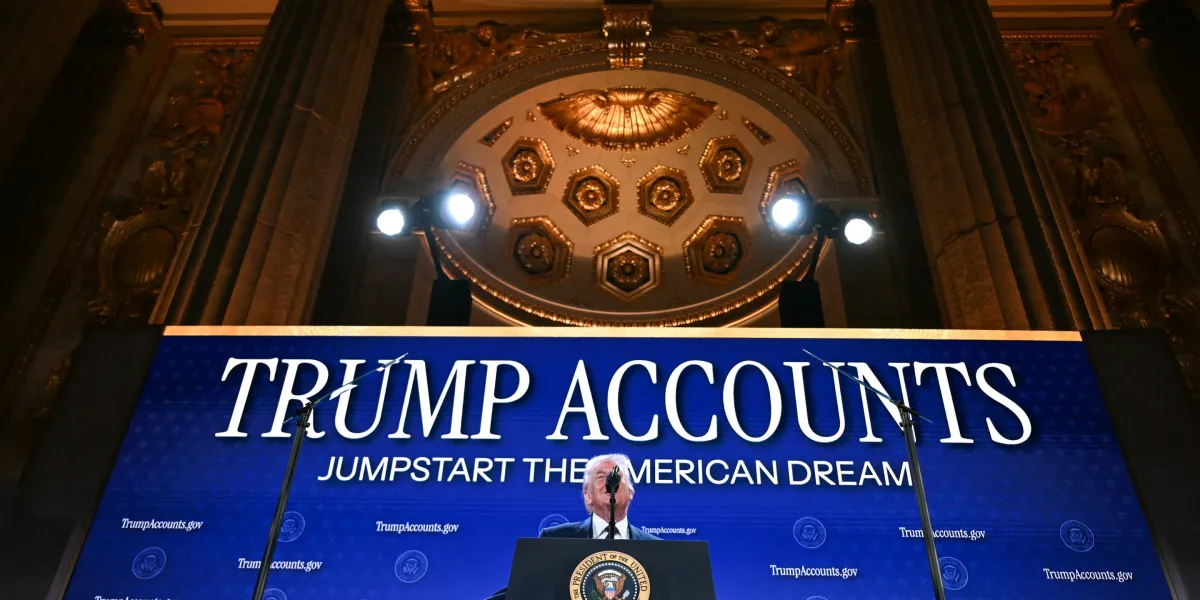
Contributions will open soon to the new investment accounts.
758 words~3 min read