A version of this article first appeared in CNBC's Inside Wealth newsletter with Robert Frank, a weekly guide to the high-net-worth investor and consumer. Sign up to receive future editions, straight to your inbox.
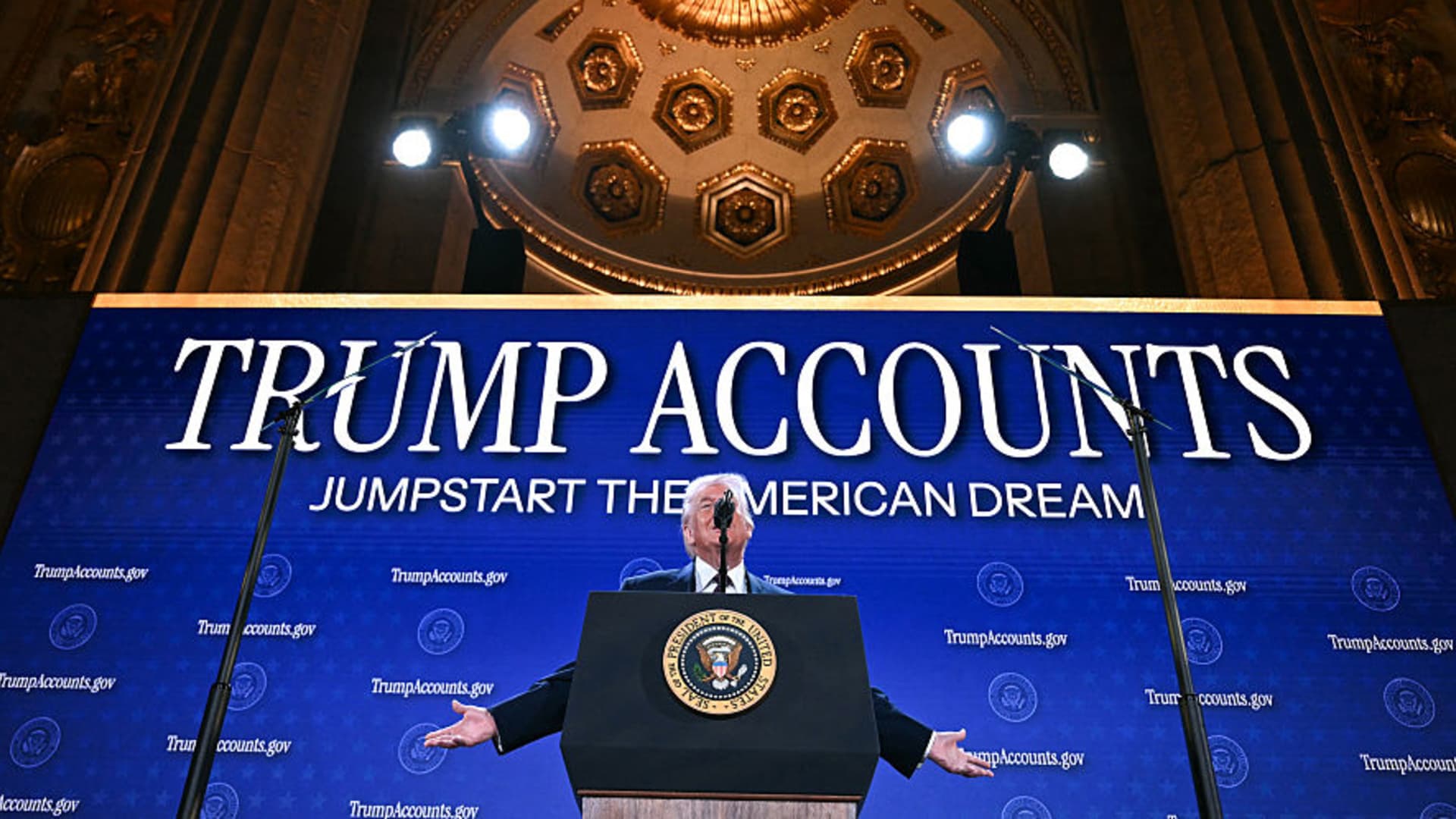
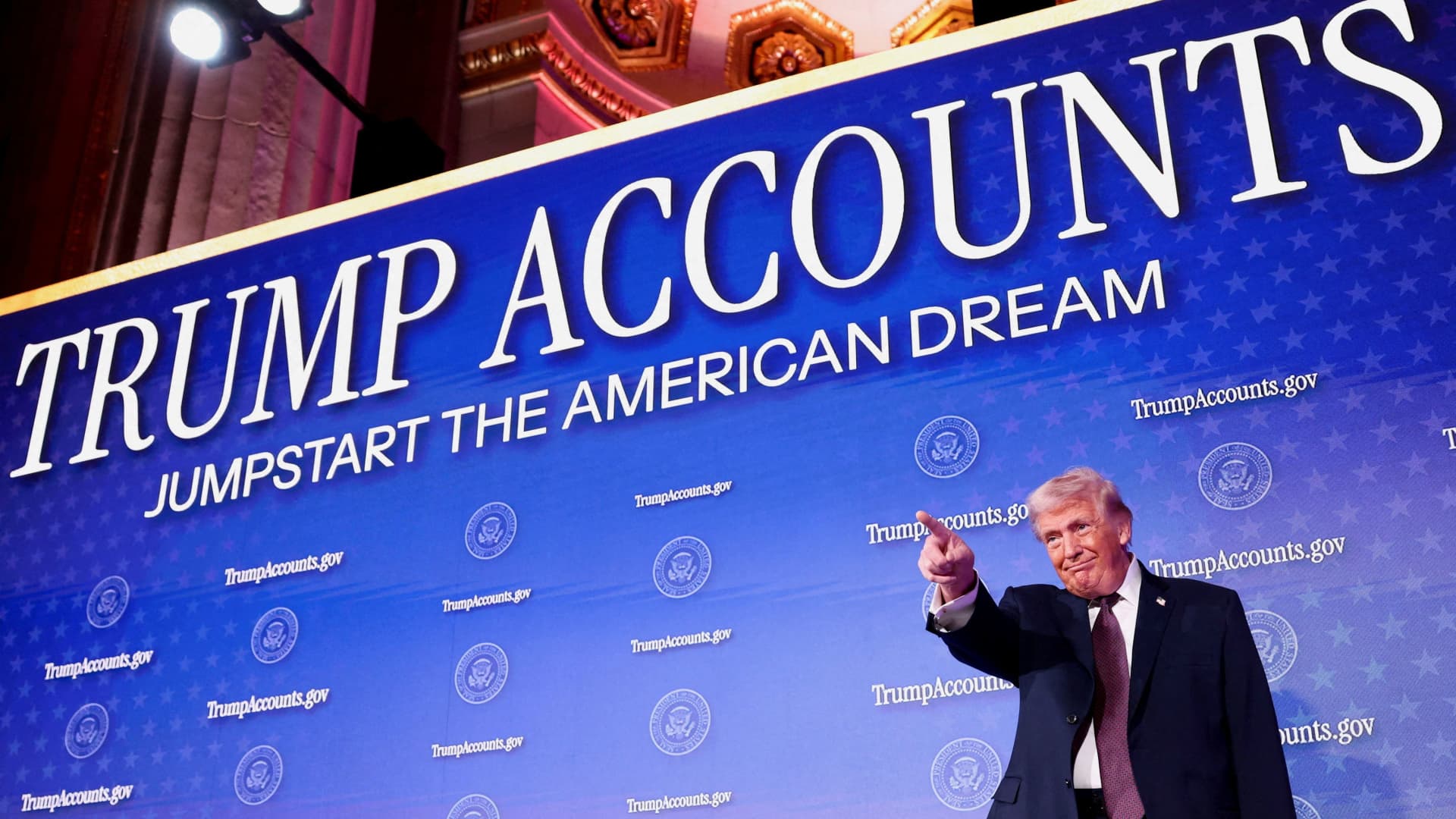
With the Trump administration weighing whether to allow stock donations to "Trump Accounts" for American children, the potential expansion is raising questions about the legal path — and highlighting the powerful tax benefits — to doing so.
"We all want to maximize more multi-billion gifts into kids accts & the gifts may be cash / shares!" wrote Brad Gerstner, the hedge fund manager who pioneered the investment accounts, in a post on X last week after the New York Times first reported the discussions.
The move would mean a notable change to the program, which currently requires contributions to be made in cash. Michael and Susan Dell, for instance, have pledged to donate $6.25 billion to seed "Trump Accounts" for 25 million children aged 10 and under in ZIP codes with a median income of $150,000 or less.
The structure already comes with tax benefits: Donors can use pre-tax dollars for charitable contributions to benefit a qualified class of beneficiaries. But permitting stock contributions to the accounts would allow donors to offload appreciated shares without paying capital gains tax. Like with other charitable contributions, they can also deduct the stock's fair-market value against their income.