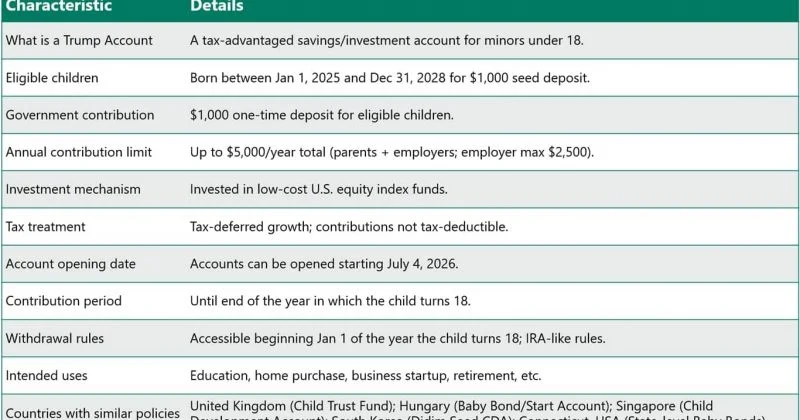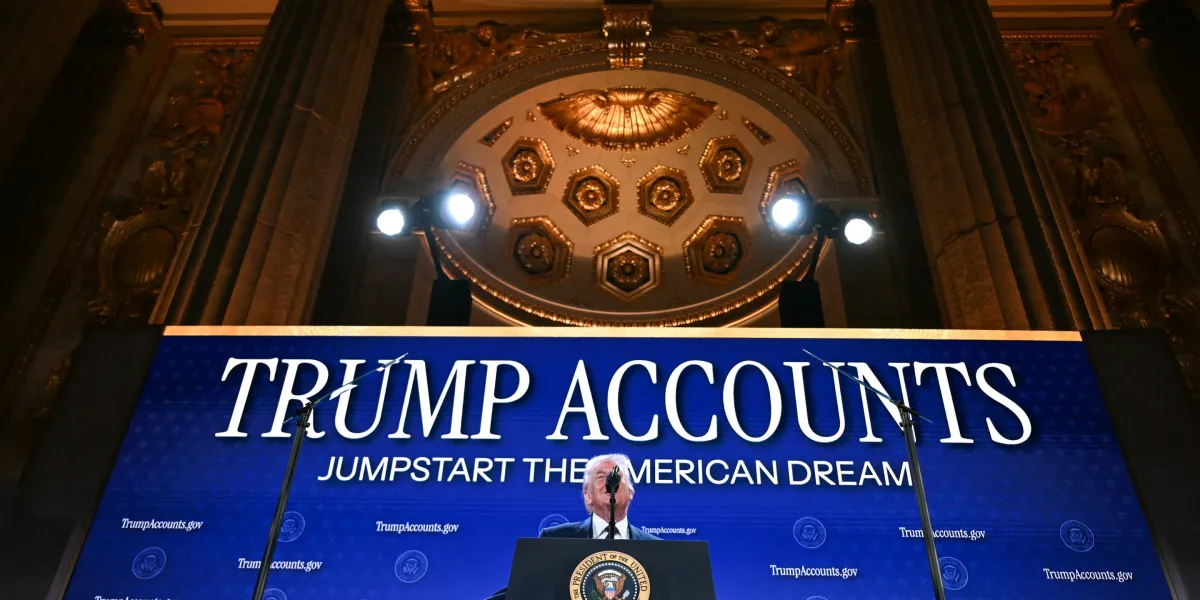
Earlier this month, The New York Times reported that White House and Treasury officials have discussed allowing billionaires to donate shares of stock directly into Trump Accounts, the new $1,000 investment accounts created for (most) American children.
The idea alarmed many readers. One child’s account might receive stock in the next Nvidia while another receives stock in a future Enron.
Within hours, the proposal’s lead advocate, Brad Gerstner, called the report “misleading,” clarifying that all funds would remain in a diversified index fund — the only option the law currently allows to protect children from the volatility of individual stock picking. If that is correct, the immediate investment risk to children is smaller than it first appeared.
The program also lacks the administrative infrastructure to handle it stock donations. Trump Accounts already authorize employer matches and philanthropic contributions, but delivering those contributions to tens of millions of children requires a streamlined policy platform that has not been built. Adding the complexity of stock-to-cash conversion before that foundation exists is premature.
That debate, however, is a sideshow. The most urgent problem with Trump Accounts is simpler and more serious: the vast majority of eligible American children do not have one, and the federal government has no plan to enroll them.