The composer himself never matched the joy, optimism and boldness of his first teenage symphony, as the chill of Stalinism settled on his music
T
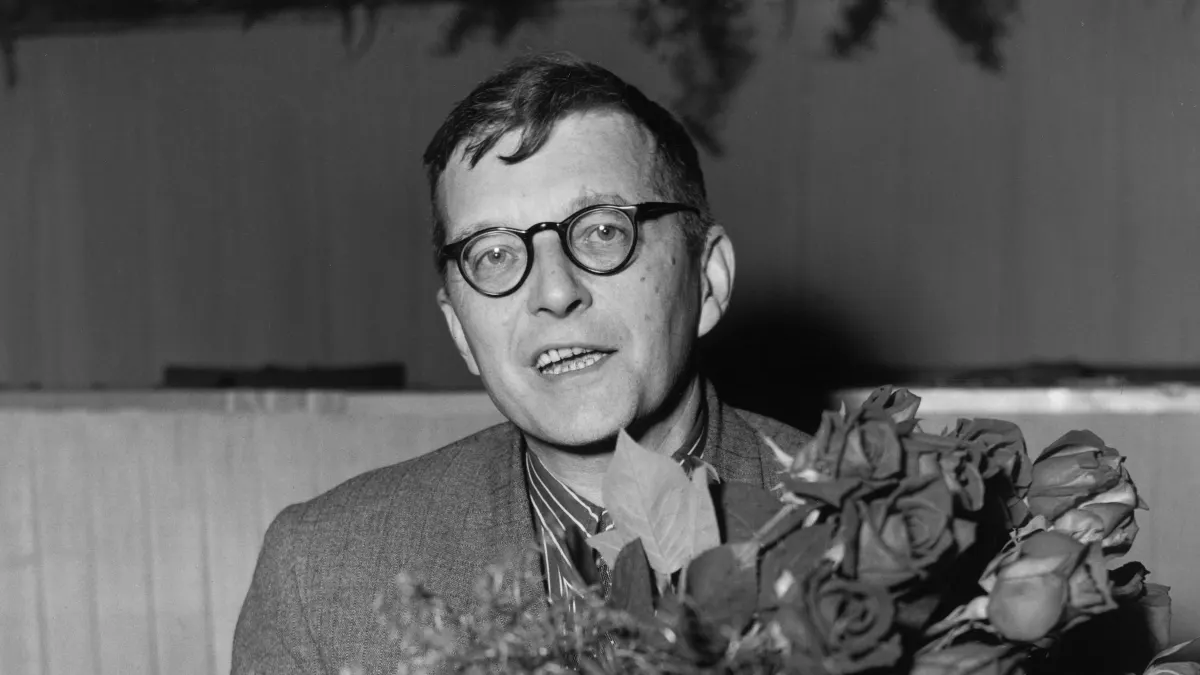
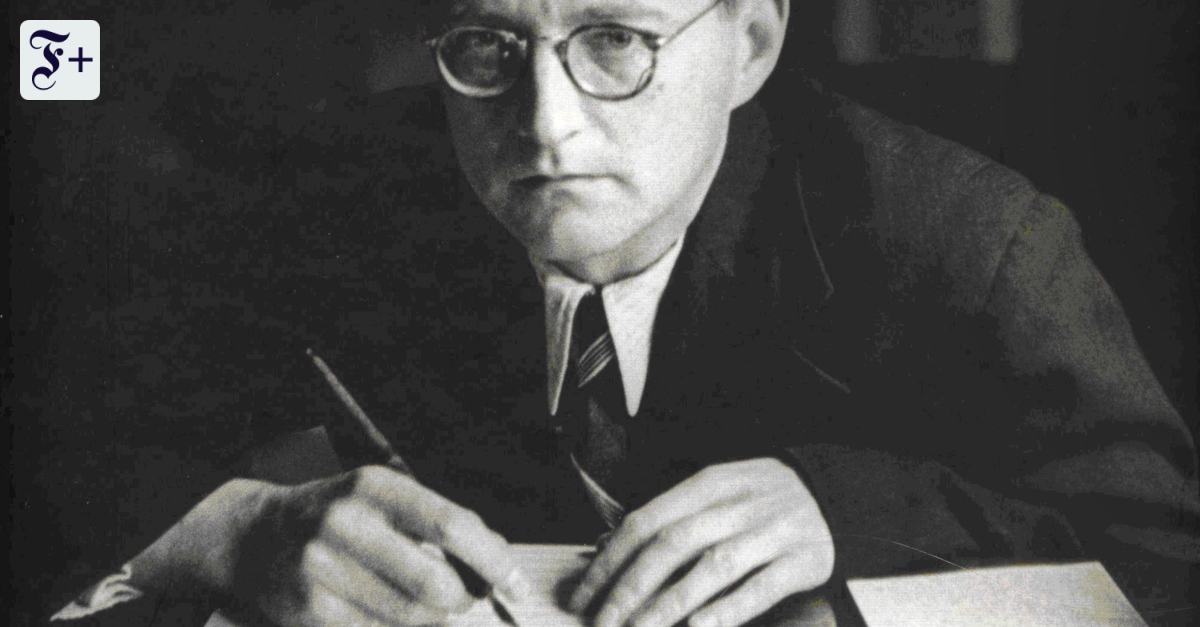
his week we mark two extraordinary centenaries. Sir David Attenborough’s, of course, but only four days after the birth of the bona fide national treasure, Dmitri Shostakovich’s First Symphony also first saw the light of day – premiered in Leningrad on 12 May 1926. The 19-year-old’s composition was played by the Leningrad Philharmonic, conducted by Nicolai Malko.
The symphony’s four-movement structure is just about the only conventional feature it has. The teenage Shostakovich had imbibed all the lessons he could about what orchestral music should sound like and how it should behave, and was bold enough to subvert all those ideas and send them up. There is no forelock-tugging to earlier generations of Russian symphonists and orchestral pioneers; instead, Shostakovich’s First resounds with a self-confidence that’s both optimistic and deliciously sardonic.
From the distorted trumpet call that opens the work – a fanfare that thumbs its nose at your expectations of how a symphony should start; not an affirmative flourish, but a snakingly dissonant question mark – Shostakovich sets out on a first movement that’s like a circus: a cavalcade of characters who take the stage and exit, more often than not pursued by a cartoon bear, clown or bassoon. The momentum that Shostakovich generates from the way he juxtaposes ideas – cutting from one to the other as if the symphony were a reel of film – continues deliriously in the second movement. Here, a piano part is added to the orchestral texture, and that’s where one of the secrets of this music’s compositional energy is revealed. As a teenager, Shostakovich played the piano for Soviet silent cinema screenings, and in the symphony’s piano solos, he turns his work into a knockabout farce that Buster Keaton would be proud of.