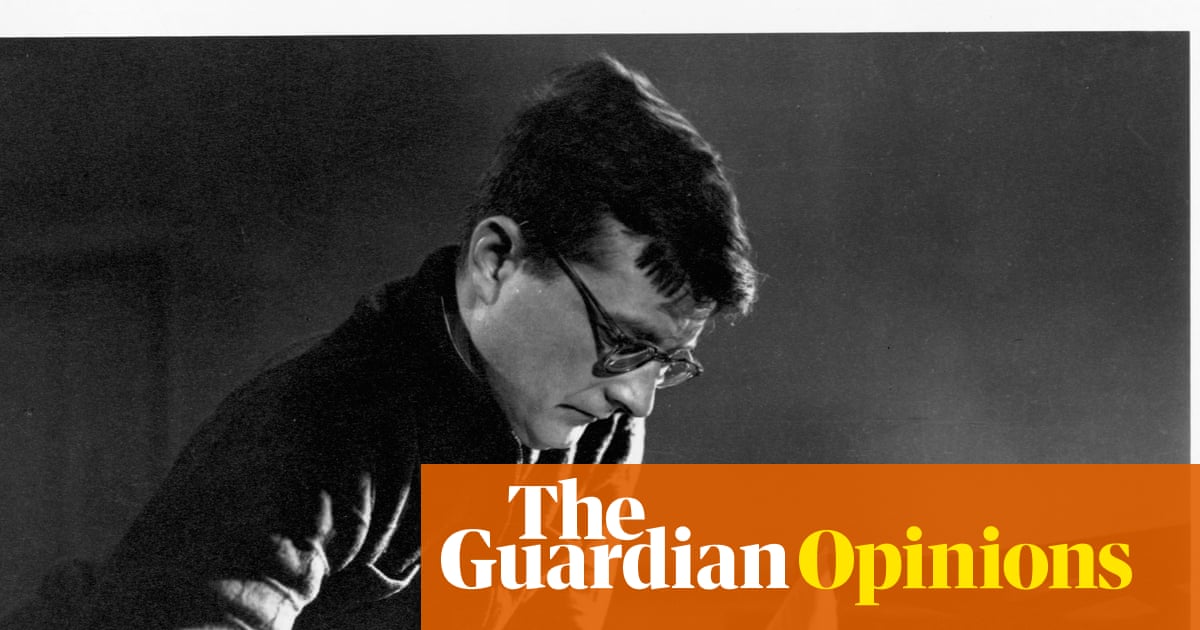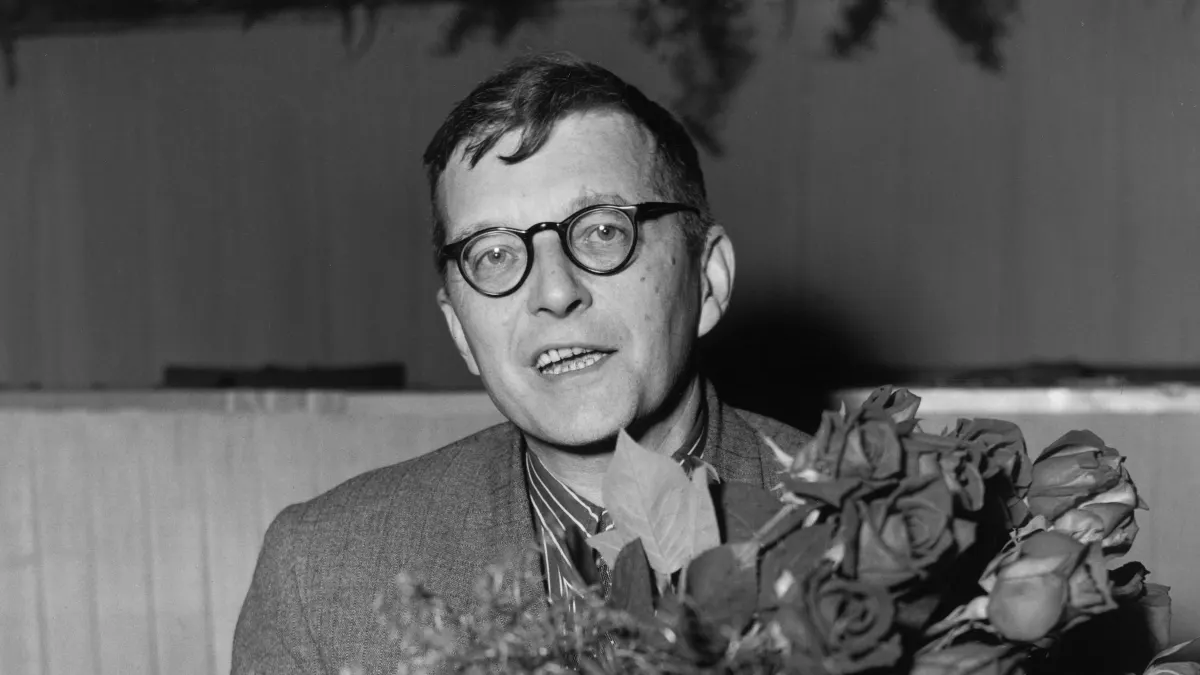
The Nazis adopted Beethoven’s Ode to Joy. Happy Birthday hides a tale of corporate greed. And Putin uses Shostakovich’s Leningrad symphony as a call to arms. That’s why I put them in my soundtrack to the complexities of human existence
T
he idea was always a ludicrous one: to reduce millennia of human musical history – not to mention billennia of the Earth’s sonic geology – into a book of 50 pieces of music. And yet that’s the challenge I decided to take on. The most pressing question was: why? To which my answer was: the inevitable failures and gaps of the project are precisely where its interest lies.
The next concern was how. Called A History of the World in 50 Pieces, the book is not a digested history of music, nor a list of my favourite songs, performances or recordings. Instead, it’s centred on the definition of a “piece of music”. This is a democratic principle – a belief that works don’t belong only to their creators but are shared and reinterpreted by generations of musicians at distances of time, geography and technology, in ways their original composers and performers could not imagine.
The point of a piece of music is not to exist in a definitive version – be it a recording, a single performance or even a fixed score – but to be continually remade in a cycle of transformation, in which the experience of the piece belongs to anyone who plays or hears it. This way of thinking throws up unexpected and serendipitous connections. Before writing the book, I wouldn’t have thought there were resonances between Beethoven, Mildred and Patty J Hill, and Shostakovich. Yet all have written music that reveals what happens when, whether by accident or design, you dream of musical utopias and write tunes for the whole world.