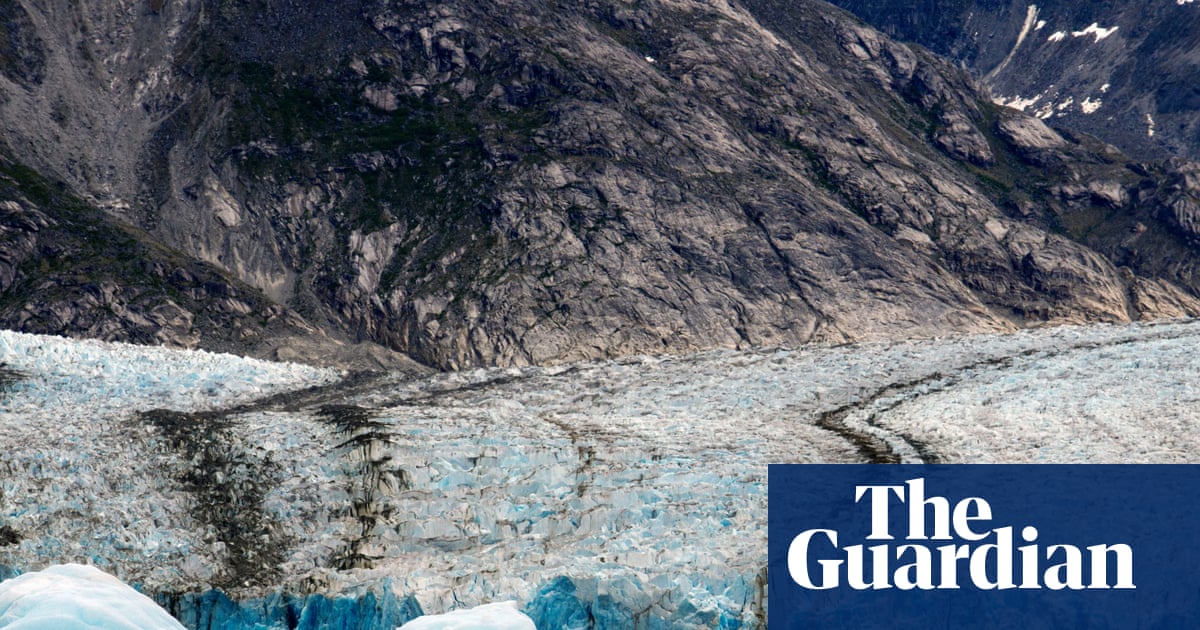
Researchers say 481-metre wave in fjord was triggered by rockslide linked to climate crisis
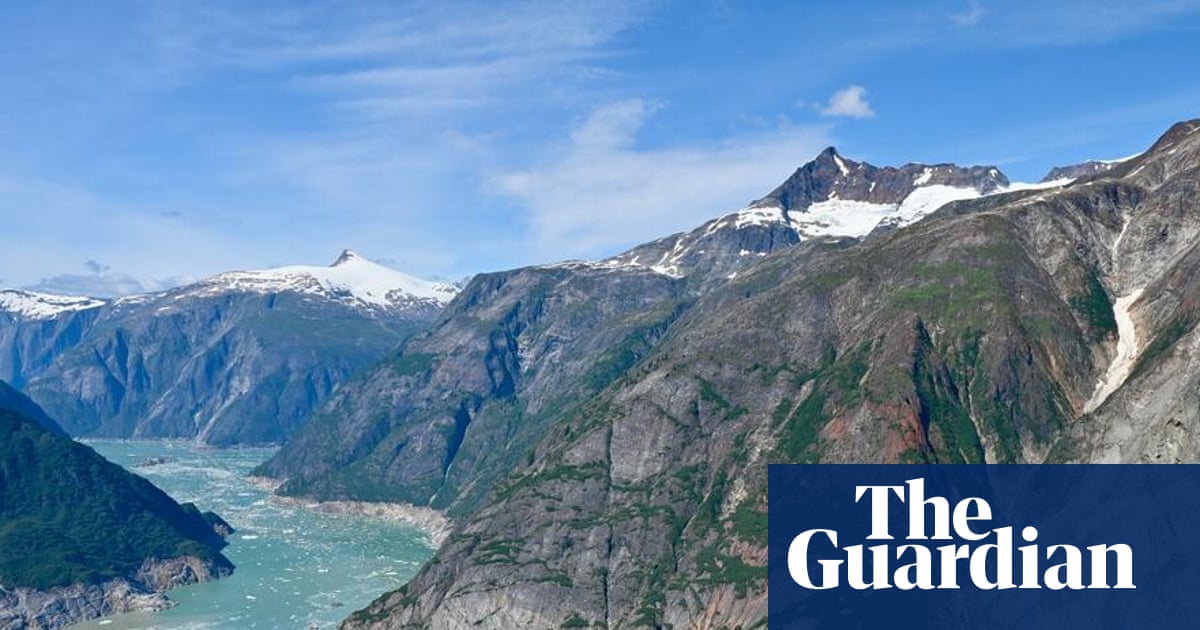
A mega tsunami in Alaska last year in a fjord visited by cruise ships is a stark warning of the risks of coastal rockslides and glacier retreat fueled by the climate crisis, a new study warns.
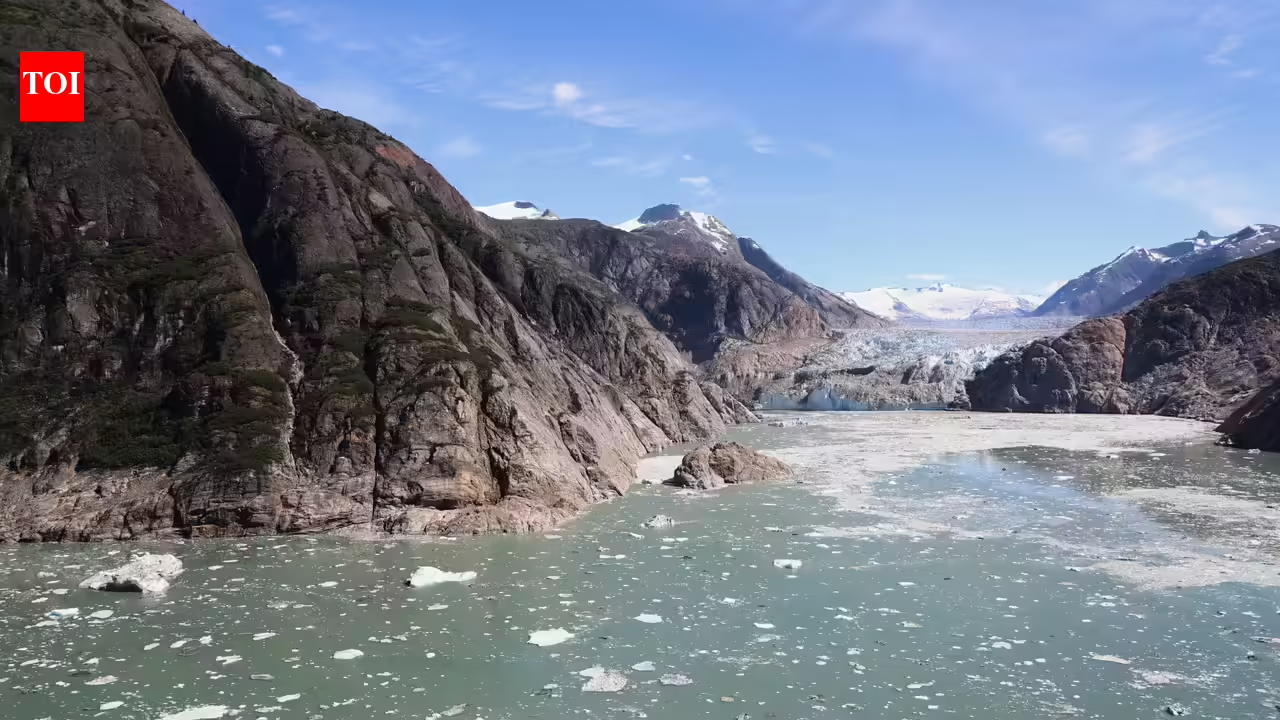
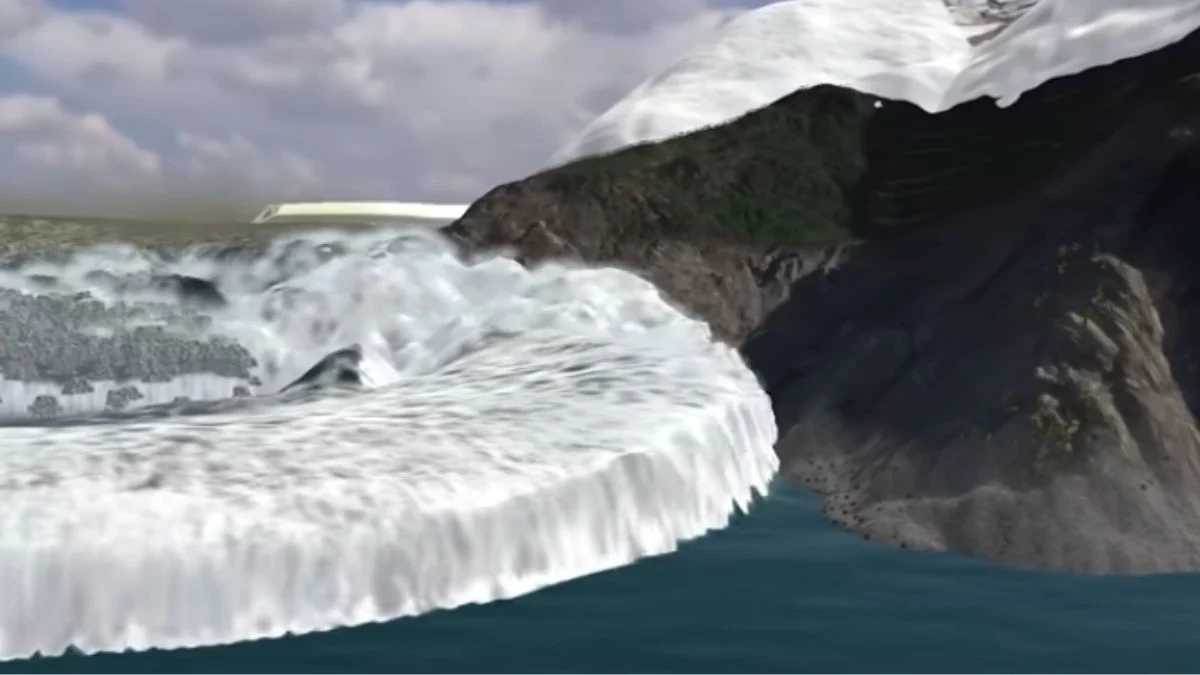
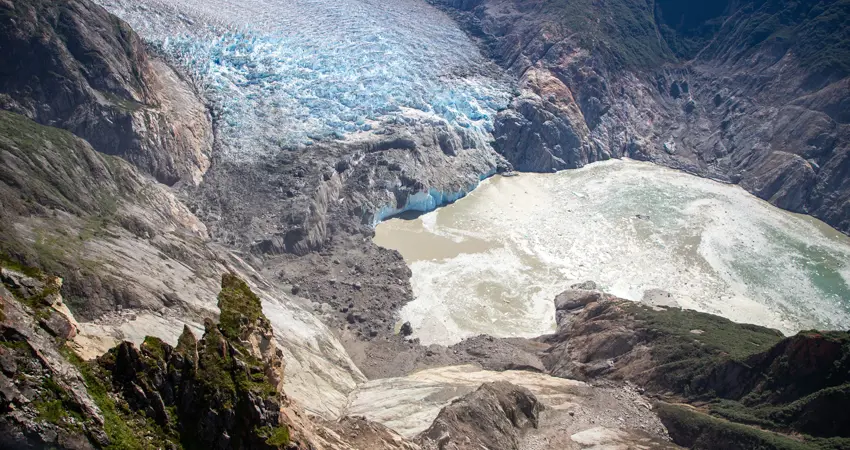
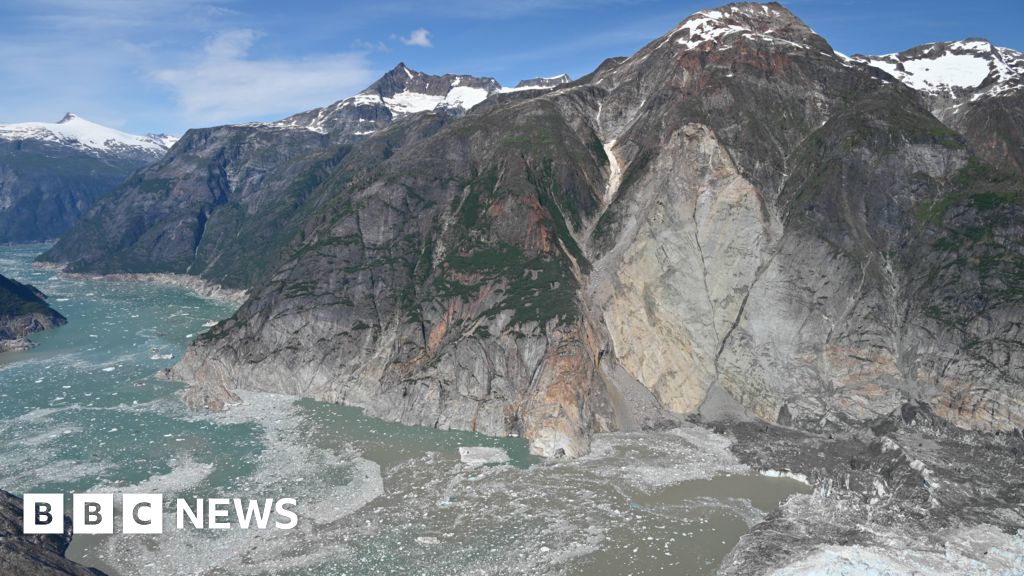
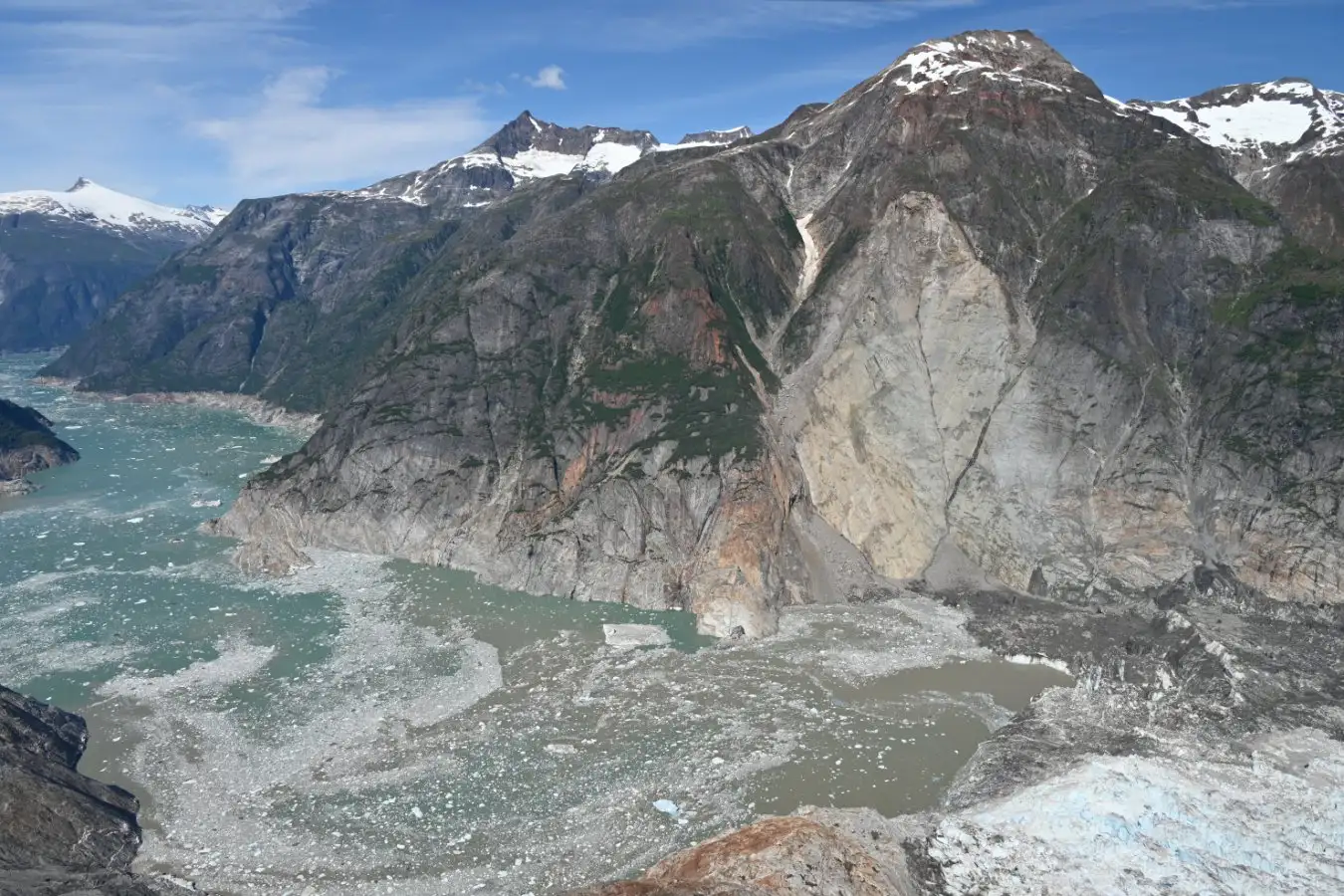
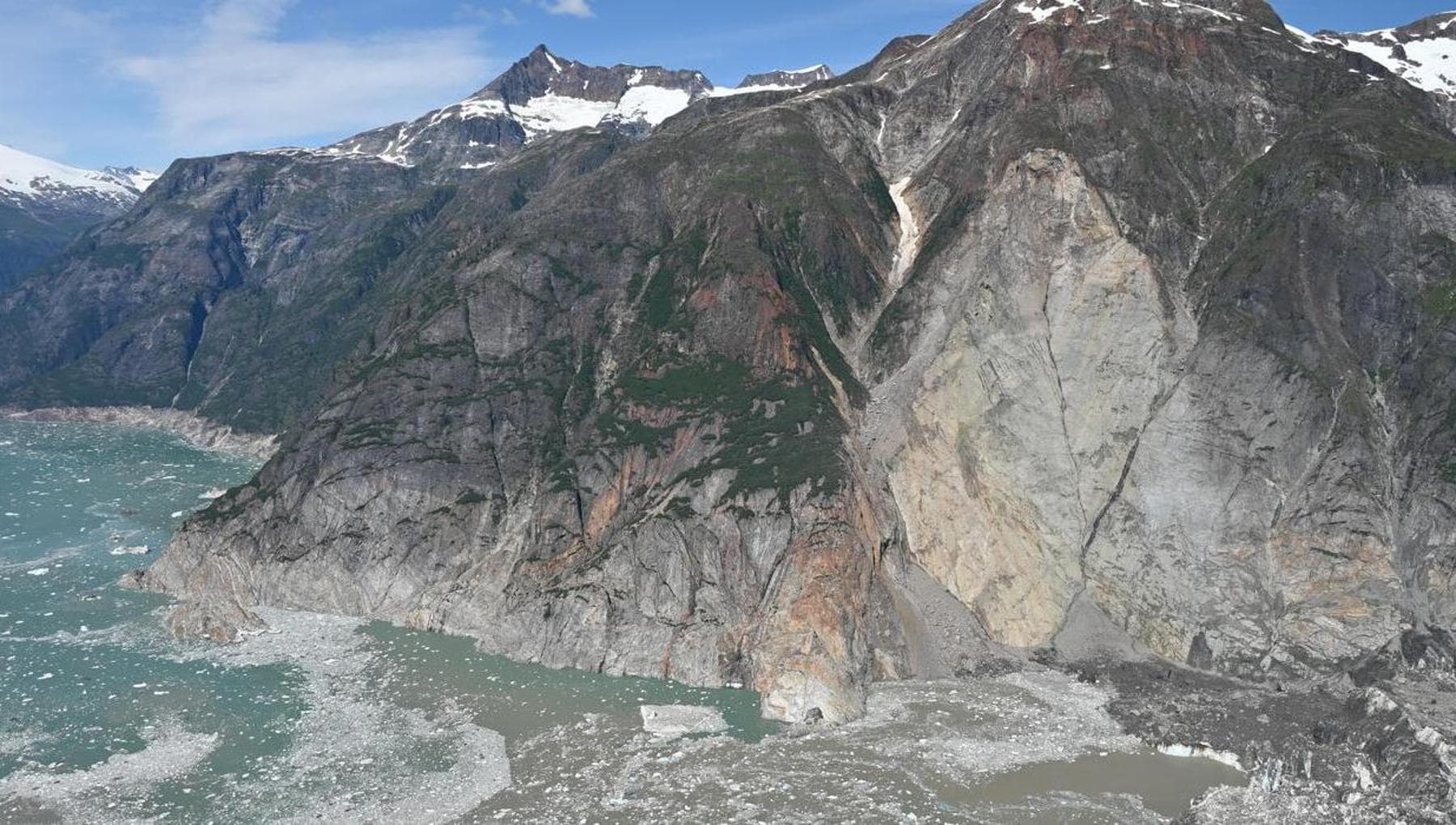
Scientists recorded the world’s second-tallest tsunami after it struck the Tracy Arm fjord in south-east Alaska last August after a massive rockslide around the toe of a glacier. The tsunami reached 481 metres (1,578ft) in height; by comparison the Eiffel Tower is 330 metres (1082ft).
According to the new research published in Science on Wednesday and led by Dan Shugar, a geomorphologist of the University of Calgary, the sequence began at 5.26am local time on 10 August 2025. A large landslide collapsed 1km vertically onto the South Sawyer glacier and into the narrow, 48km fjord, producing the huge tsunami.
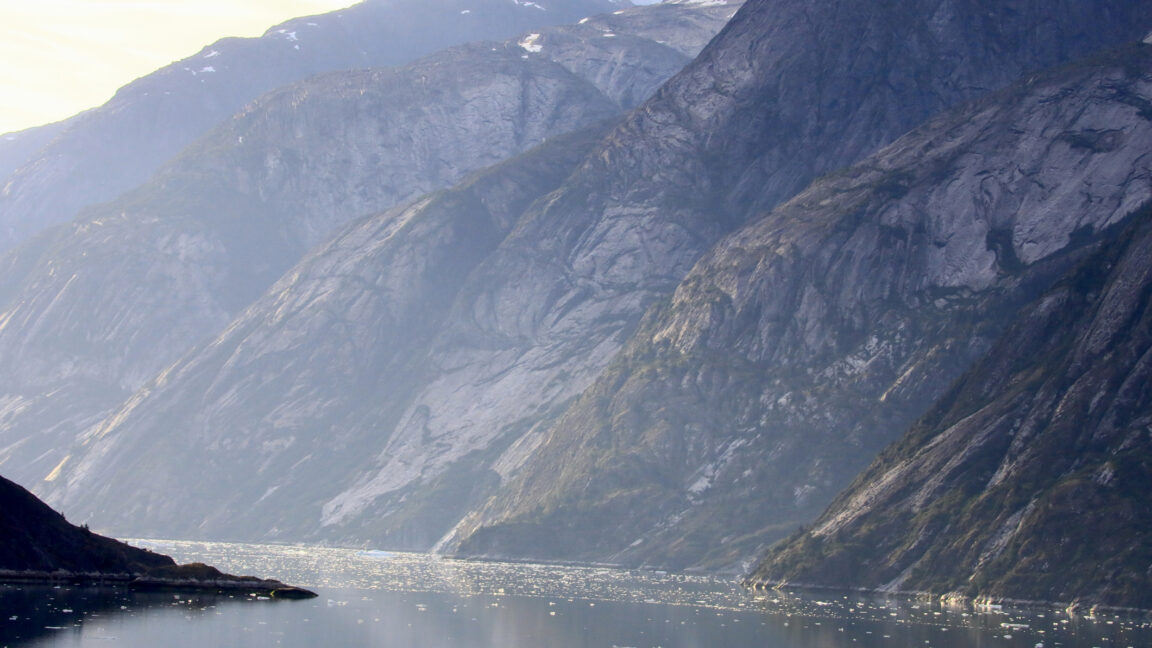
There were no fatalities at the early hour but the area is visited by approximately three cruise ships passing through daily, along with other vessels traveling within a few kilometers of the landslide site.