In Nariño, guerrilla groups are swapping arms for legal mining as part of the country’s peace accord. But as presidential elections loom, armed rivals and delays threaten to derail progress
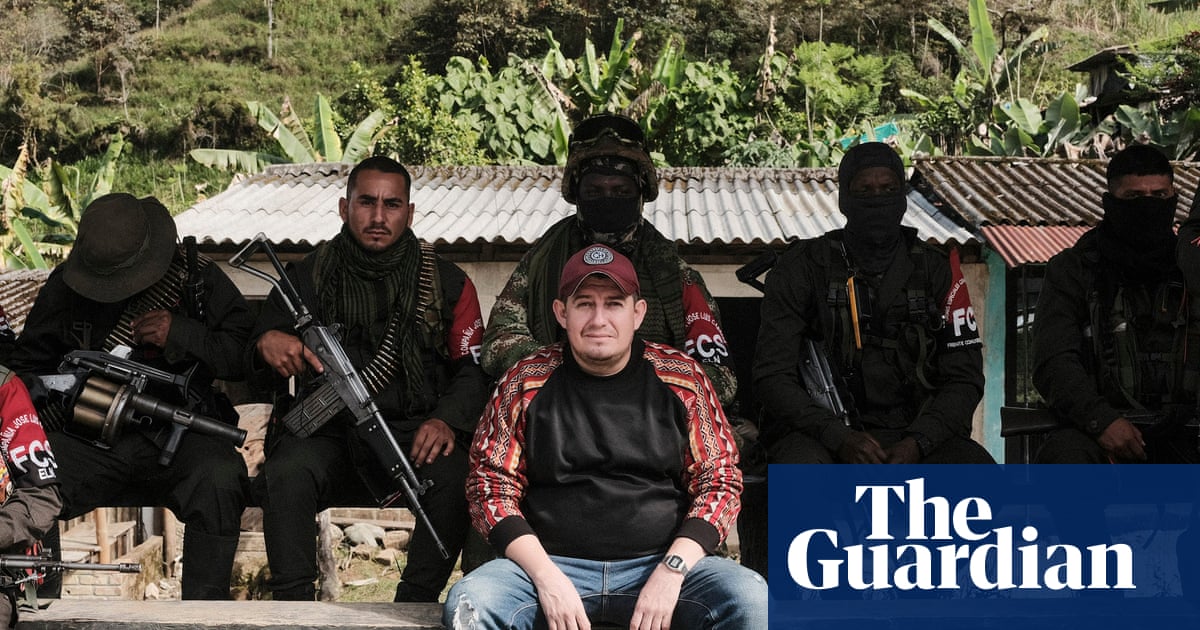
ressed in civilian clothing with Pasto Indigenous motifs across his sleeves, Royer Garzón, a guerrilla commander and delegate at the peace negotiation table, sits alongside about two-dozen combatants on a small stand beside a concrete sports field in one of Nariño’s state-recognised Indigenous collective territories in Colombia.
Most wear military fatigues and rubber boots, matching a huge red-and-white banner reading FC Sur-ELN – Frente Comuneros del Sur, or National Liberation Army, the guerrilla group they once belonged to – an identity they have not lost.
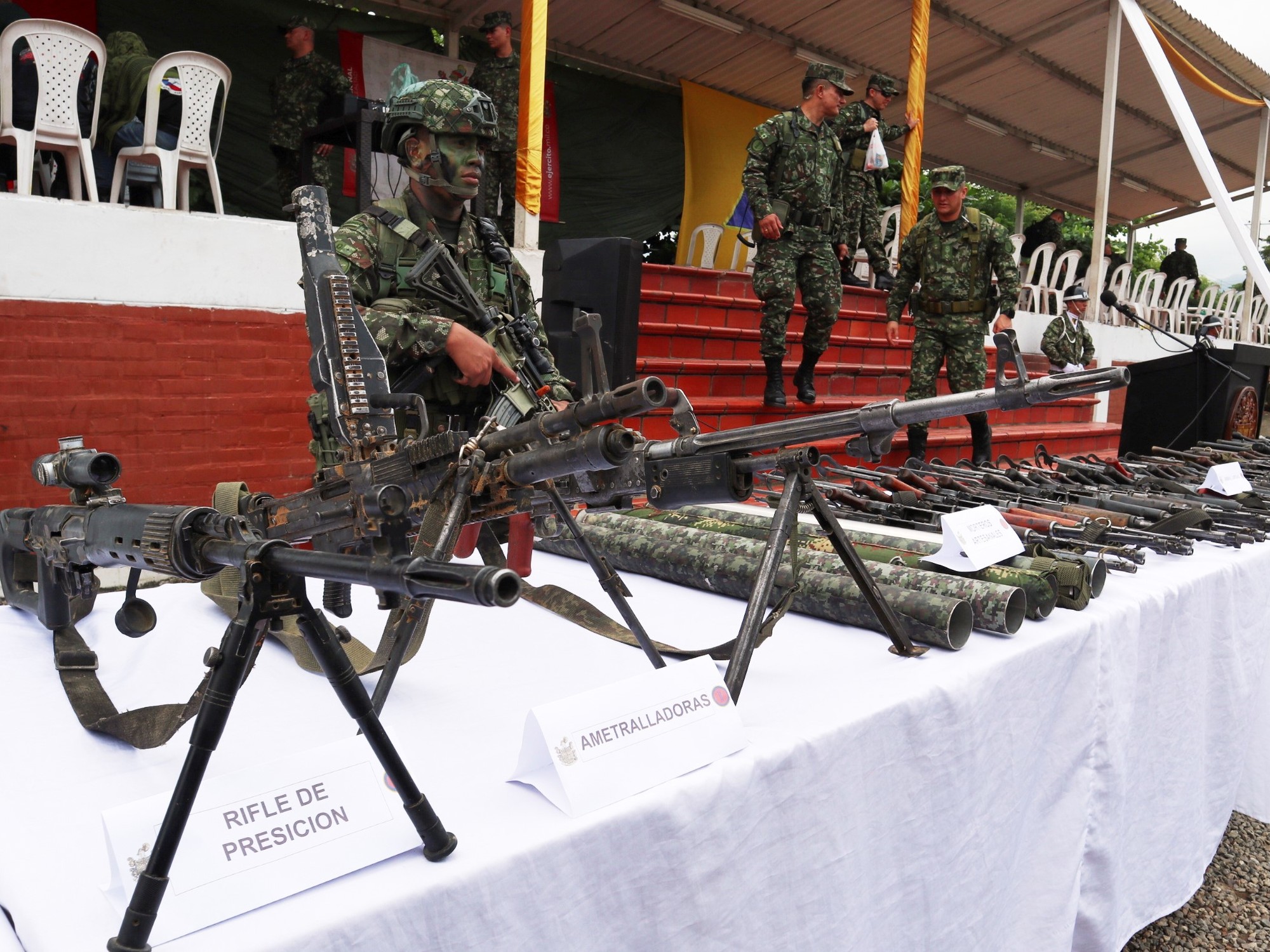
“Our bet for peace is a territorial peace, one where communities play a leading role,” Garzón says, adding that as long as there is no comprehensive peace treaty, the Comuneros will remain at arms.
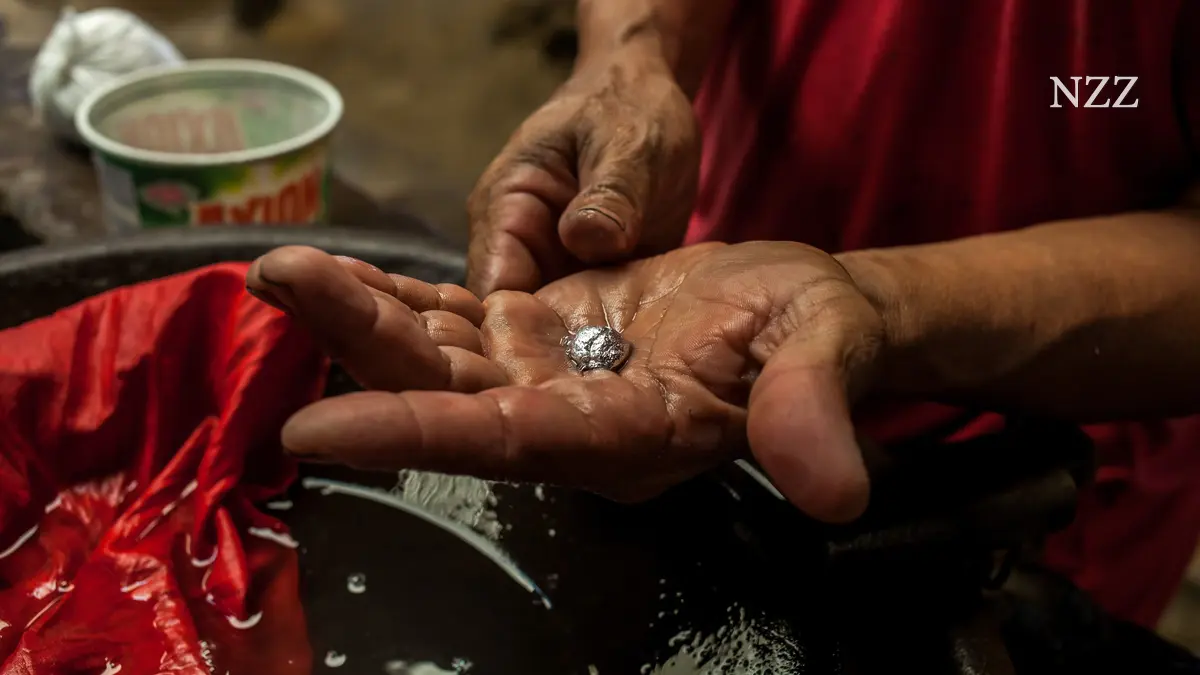
The Comuneros del Sur are pioneering President Gustavo Petro’s, Total Peace agenda by signing 12 partial accords to exchange arms for legal gold mining.